
Regarding Kal Air, the national airline of the Republic of Korea
Understanding Korean Air
Korean Air stands as the flagship carrier and the largest airline of the Republic of Korea. For travelers, business professionals, and aviation enthusiasts, understanding the role and operations of this airline is essential for navigating travel in East Asia and beyond. As a founding member of the SkyTeam airline alliance, Korean Air connects Seoul to hundreds of destinations across the globe, serving as a critical bridge between the Americas, Europe, and the rapidly growing markets of Asia.
Operating out of its primary hub at Incheon International Airport, the airline has built a reputation for high-quality service, modern aircraft fleets, and an extensive network that caters to both premium and budget-conscious travelers. Whether you are planning a transit through Seoul or booking a direct flight to a major global city, knowing how to leverage the services of Korean Air can significantly enhance your travel experience.
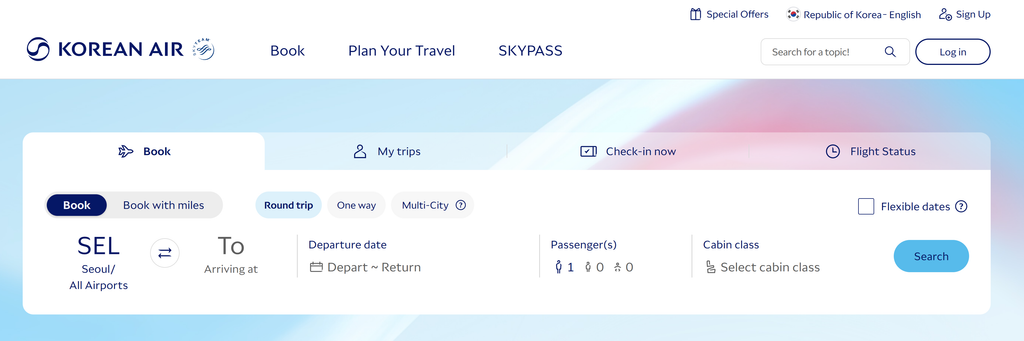
The Importance of Korean Air in Global Aviation
Korean Air is far more than just a transportation service. It is a vital economic engine for South Korea and a key player in the global logistics industry. By maintaining high safety standards and investing in state-of-the-art technology, the airline has positioned itself as a leader in the trans-Pacific market. For international travelers, Korean Air represents the gold standard of service, often winning awards for its in-flight amenities, catering, and cabin crew professionalism.
The airline’s strategic location in Seoul allows it to act as a major transit point. Travelers moving between North America and Southeast Asia often find that Korean Air provides the most efficient routing. Furthermore, the airline’s commitment to sustainability and modern fleet management, including the use of advanced aircraft like the Boeing 787 Dreamliner and Airbus A350, ensures that passengers enjoy a comfortable and environmentally conscious journey.
Practical Guide to Booking and Reservations
Booking a flight with Korean Air requires a basic understanding of their digital ecosystem. The official website and mobile application are the primary tools for travelers to manage their itineraries. To get the most out of your booking process, follow these practical steps:
- Register for the SKYPASS program immediately. Even if you do not fly frequently, membership is free and allows you to earn miles that can be used for upgrades or future flights.
- Use the “Low Fare Finder” tool on the website. This feature allows you to visualize the cheapest travel dates across a full month, which is perfect for flexible travelers.
- Consider the “Multi-City” booking option if you plan to visit multiple destinations. This is often more cost-effective than booking separate one-way tickets.
- Check for “Pre-paid Baggage” discounts. If you know you will be carrying extra weight, purchasing additional baggage allowance online before arriving at the airport is significantly cheaper than paying at the check-in counter.
Navigating the SKYPASS Loyalty Program
The SKYPASS program is the heart of Korean Air’s customer retention strategy. It is a tiered loyalty system that rewards frequent flyers with benefits such as lounge access, extra baggage allowance, and priority boarding. Understanding how to accumulate and spend miles is a skill that can save you thousands of dollars over time.
Earning Miles Effectively
You earn miles not just by flying, but through various partnerships. Using a co-branded credit card is the fastest way to accumulate miles for everyday purchases. Additionally, booking hotels through the Korean Air portal or using their rental car partners can boost your balance significantly. Always ensure your membership number is linked to every reservation you make, including those made through third-party travel agencies.
Redeeming Miles for Maximum Value
Many beginners make the mistake of using miles for small merchandise or minor discounts. To derive the highest value, prioritize using your miles for business class or first-class award tickets. The “cash-per-point” value is significantly higher when redeeming for premium cabin seats on long-haul flights. Additionally, you can use miles to upgrade your economy ticket to a higher class if the fare type permits it.
In Flight Experience and Amenities
Korean Air is widely recognized for its high-quality in-flight experience. The service philosophy is deeply rooted in Korean hospitality, known as “Jeong.” This manifests in attentive cabin crew, high-quality meals, and a focus on passenger comfort.
Dining Options
One of the highlights of flying Korean Air is the catering. The airline offers a wide variety of special meals, which can be requested up to 24 hours before departure. Whether you have dietary restrictions, religious preferences, or simply prefer a specific type of cuisine, the airline’s pre-order system is robust. Be sure to try their famous Bibimbap, a signature dish that has become a staple of their long-haul economy and premium dining menus.
Entertainment and Connectivity
Every seat on long-haul Korean Air flights is equipped with a personal entertainment screen. The library includes a mix of Hollywood blockbusters, Korean cinema, and international content. For those who need to work, many aircraft are equipped with power outlets and USB ports. Always check the specific aircraft type on your booking to see if Wi-Fi service is available on your flight, as this is currently being rolled out across the fleet.
Understanding Cabin Classes
Korean Air categorizes its seating into distinct classes, each designed for different passenger needs. Knowing the difference between these classes can help you choose the right ticket for your budget and comfort requirements.
| Class | Features | Best For |
|---|---|---|
| Economy Class | Standard seating, complimentary meals, entertainment | Budget-conscious travelers and short-to-medium hauls |
| Prestige Class | Lie-flat seats, premium dining, lounge access | Business travelers and those seeking comfort on long flights |
| First Class | Private suites, personalized service, top-tier lounge access | Luxury travelers and those requiring maximum privacy and space |
Tips for Transiting at Incheon International Airport
For many travelers, Incheon (ICN) is not just a destination but a transit hub. Incheon is consistently ranked as one of the best airports in the world, and knowing how to navigate it can make your layover seamless.
- If you have a long layover, take advantage of the free transit tours offered by the airport. These tours range from one to five hours and allow you to see nearby cultural sites without needing a visa.
- Visit the airport lounges. If you have SKYPASS status or are flying in a premium cabin, the KAL lounges provide a quiet space to rest, shower, and eat.
- Use the transit hotel if your layover is overnight. This is located inside the terminal, meaning you do not have to go through immigration and customs, saving you time and stress.
- The airport is equipped with free high-speed Wi-Fi throughout, making it easy to catch up on emails or stream content while you wait for your connecting flight.
Common Misconceptions About Korean Air
There are several myths about flying with major national carriers that are worth addressing to clear the air for potential passengers.
Myth: It is always more expensive than low-cost carriers
While Korean Air is a full-service carrier, it frequently runs promotional campaigns and “Super Deals” that make it competitive with budget airlines, especially when you factor in the cost of baggage, meals, and seat selection, which are often hidden fees on low-cost carriers.
Myth: The service is only tailored to Korean speakers
Korean Air is a global airline. All cabin crew members are trained in English, and many speak additional languages depending on the route. The in-flight entertainment and announcements are fully localized for international passengers, ensuring that language is rarely a barrier.
Myth: You cannot change your flight after booking
While the cheapest “Light” fares may have restrictions, most tickets allow for changes for a fee. It is important to read the fare rules during the booking process. If you anticipate your plans might change, opting for a slightly higher fare class can provide much more flexibility and peace of mind.
Expert Advice for Frequent Flyers
If you find yourself flying with Korean Air regularly, there are professional tips to optimize your experience. First, always keep an eye on your “Elite” status qualification period. The airline uses a rolling calendar for status tracking, and timing your flights to maximize your status-earning potential is a smart move.
Secondly, leverage the SkyTeam alliance. Even if you are not flying on a Korean Air-operated flight, you can earn and redeem miles on partner airlines like Delta, Air France, and KLM. This makes the SKYPASS program one of the most flexible loyalty schemes available. If you are a business traveler, consider the “Korean Air Corporate Program,” which offers additional perks and discounts for companies that book travel for their employees.
Baggage Policies and Restrictions
Understanding the baggage policy is crucial to avoiding unexpected fees at the airport. Korean Air follows a “piece system” for most routes, but the exact allowance depends on your destination and cabin class.
- Economy class passengers usually have a free checked baggage allowance of one or two pieces, depending on the route. Always check the “Manage Booking” section of the website to see your specific allowance.
- Carry-on baggage limits are strictly enforced for safety reasons. Ensure your carry-on meets the size and weight requirements to avoid having to check it at the gate.
- Prohibited items are standard for international aviation, but be aware of specific Korean customs regulations regarding electronics, food, and medication if you are entering the country.
Safety and Security Standards
Korean Air places an immense focus on safety. As a member of the IATA (International Air Transport Association), the airline adheres to the strictest global safety protocols. Their maintenance facilities are world-class, and the airline is known for its rigorous pilot training programs. For passengers, this translates to a reliable travel experience where safety is never compromised for the sake of efficiency.
The airline also employs advanced biometrics at Incheon International Airport to speed up the security and boarding process. By participating in these programs, you can move through the airport with significantly less friction, which is a major benefit for frequent travelers.
Sustainability Initiatives
In recent years, Korean Air has taken significant strides toward environmental sustainability. This includes the modernization of its fleet, which consumes less fuel and produces fewer carbon emissions per passenger. The airline is also exploring the use of Sustainable Aviation Fuel (SAF) and has implemented waste reduction programs in its in-flight catering services.
For the conscious traveler, choosing a carrier that invests in these technologies is a way to reduce your personal carbon footprint. Korean Air’s commitment to “ESG” (Environmental, Social, and Governance) management is a key part of their long-term strategy, ensuring that they remain a responsible corporate citizen in the global aviation market.
Frequently Asked Questions
Many travelers have similar questions regarding their flights. Here are some of the most common inquiries addressed for your convenience:
How early should I arrive at the airport?
For international flights, it is recommended to arrive at the airport at least three hours before departure. This allows sufficient time for check-in, security screening, and reaching your boarding gate, especially at large hubs like Incheon.
Can I pre-select my seat?
Yes, seat selection is available during the booking process or via the “Manage Booking” section on the website. Some seats, such as those with extra legroom, may require an additional fee, while standard seats are often free to select depending on your fare class.
What if my flight is delayed or cancelled?
Korean Air has a clear policy regarding flight disruptions. In the event of a delay or cancellation, the airline provides assistance according to international regulations. Always ensure your contact information is updated in your reservation so you can receive real-time notifications via email or SMS.
Is it possible to request a special meal?
Absolutely. Korean Air offers a wide range of special meals including vegetarian, vegan, gluten-free, halal, and child meals. These must be requested at least 24 hours before your flight departure to ensure availability.
Cost Effective Utilization Methods
Traveling with a premium airline like Korean Air does not have to break the bank if you use the right strategies. One of the most effective ways to save is to book during the airline’s seasonal promotional periods. These sales often occur in the off-season, such as late winter or early autumn, and can offer significant discounts on long-haul tickets.
Another method is to utilize credit card transfer partners. If you have a credit card that earns flexible points, you can often transfer these points to the SKYPASS program. This is frequently more efficient than earning miles directly through flights, especially if you have high monthly credit card spending.
Finally, consider the “Prestige Class” upgrade auctions. If you have an economy ticket, the airline may invite you to bid for an upgrade to Prestige Class. This allows you to potentially secure a premium seat at a fraction of the standard retail price, provided there is availability.
The Future of Korean Air
As the aviation industry evolves, Korean Air is continuously looking toward the future. This involves the integration of artificial intelligence to improve customer service, the expansion of their route network into emerging markets, and continued investment in the next generation of aircraft. For the passenger, this means a continuously improving experience that balances tradition with cutting-edge innovation.
Whether you are traveling for business, visiting family, or exploring the cultural wonders of South Korea, Korean Air provides the infrastructure and service to make your journey a success. By understanding how to navigate their systems, utilize their loyalty program, and take advantage of their amenities, you can ensure that your time in the air is as comfortable and productive as possible.
Final Thoughts on Traveling with Korean Air
Choosing an airline is about more than just getting from point A to point B. It is about the comfort, reliability, and support you receive along the way. Korean Air has built its reputation on being a dependable, high-quality carrier that understands the needs of a diverse global passenger base. By staying informed about their policies, taking advantage of their loyalty benefits, and planning your travel with their digital tools, you are setting yourself up for a superior travel experience.
As you continue to travel, keep these tips in mind to make the most of every flight. From maximizing your mileage earnings to navigating the world-class facilities at Incheon, being an informed passenger is the best way to ensure that your travels are smooth, efficient, and enjoyable. Korean Air remains a top-tier choice for those who value quality and service, and with these insights, you are well-equipped to make the most of your next journey with them.
Navigating In-Flight Communication and Technology
In the modern era, staying connected is as important as the flight itself. Korean Air has been aggressively updating its fleet to include advanced in-flight connectivity. However, the availability of these services can vary depending on the specific aircraft model. Before your flight, check your itinerary on the Korean Air website; it will usually specify the aircraft type. If your plane is one of the newer models, you can expect features like high-speed satellite Wi-Fi. It is always wise to download the Korean Air mobile app before you leave, as it provides a hub for all your flight information, including entertainment menus and connectivity guides.
For those who prefer to disconnect, the airline’s “Beyond” in-flight entertainment system is quite extensive. It is not just about movies; the system often includes language learning tools, meditation sessions, and even information about the destination you are traveling to. Taking the time to explore these features can turn a long-haul flight into an opportunity for personal growth or relaxation.
Understanding the Cultural Nuances
Flying with a national carrier like Korean Air provides a unique window into the culture of the Republic of Korea. The service standards reflect the nation’s emphasis on respect, cleanliness, and efficiency. You will notice this in the way cabin crew interact with passengers—always polite, attentive, and helpful. Understanding these cultural cues can make your interaction with the staff more pleasant. For instance, a simple “thank you” or a polite nod goes a long way in Korean culture, and you will find that the cabin crew responds with equal warmth.
Additionally, the food served on board often features traditional Korean flavors. Even if you are not familiar with Korean cuisine, trying the signature dishes is highly recommended. It is a great way to start your immersion into the culture before you even land in Seoul. If you have any questions about the ingredients or how to eat a particular dish, do not hesitate to ask the cabin crew; they are usually more than happy to explain the culinary traditions behind the meal.
Strategic Planning for Long Haul Flights
Long-haul travel can be physically demanding, but with the right strategy, it is manageable. Korean Air’s long-haul flights are designed to minimize the impact of jet lag and fatigue. The seating in Prestige and First Class is specifically engineered for deep sleep, while the economy cabins are maintained at a comfortable temperature and humidity level to reduce the effects of altitude.
To maximize your comfort, consider bringing your own noise-canceling headphones, even though the airline provides high-quality headsets. Also, stay hydrated throughout the flight. The cabin air is notoriously dry, and drinking plenty of water—and avoiding excessive caffeine or alcohol—will help you arrive at your destination feeling refreshed. If you are flying in economy, consider bringing a small neck pillow or a light blanket, although these are provided, having your own familiar items can make a significant difference in your ability to get quality rest.
The Role of Korean Air in Business Travel
For business travelers, Korean Air is often the preferred choice due to its reliability and the productivity-friendly environment of its premium cabins. The airline understands that time is money, which is why they prioritize on-time performance and efficient ground services. The dedicated business lounges at Incheon and other major airports are equipped with workstations, high-speed internet, and quiet zones, allowing you to prepare for meetings or finish projects before you land.
Furthermore, the airline’s extensive network of corporate partnerships means that many companies have negotiated rates or special benefits for their employees. If you travel frequently for work, it is worth checking with your company’s travel department to see if your bookings are being made through a corporate account that qualifies for these perks. Additionally, the “Prestige Class” seats are designed to function as a mobile office, with ample table space and power outlets, ensuring that you can remain productive throughout your journey.
Final Advice for First Time Travelers
If this is your first time flying with Korean Air, you might feel a bit overwhelmed by the choices and the scale of the operation. Do not worry; the airline’s infrastructure is designed to guide you through every step of the process. Start by downloading the app and logging in. From there, the app will act as your personal assistant, providing alerts about gate changes, boarding times, and baggage status.
When you arrive at the airport, look for the clearly marked “Korean Air” signage. The ground staff are highly trained and can assist with any issues, from seat changes to last-minute requests. If you have a layover in Incheon, do not be afraid to explore the airport—it is a destination in itself, with museums, gardens, and shopping that can make your wait time fly by. Above all, relax and enjoy the journey; you are in the hands of one of the most professional and respected airlines in the world.
Master






댓글 0
첫 댓글을 남겨보세요.