
Flight from Seoul to Jeju
The Seoul to Jeju Air Route Experience
The flight route from Seoul to Jeju Island is widely recognized as the busiest air corridor in the entire world. Every single day, hundreds of flights traverse the short stretch of water separating the South Korean capital from its premier vacation destination. Because of this high volume, travelers have an almost unparalleled level of flexibility and convenience, but they also face a crowded and sometimes overwhelming system. Understanding how to navigate this route efficiently can turn a stressful travel day into a seamless transition from the urban sprawl of Seoul to the serene landscapes of Jeju.
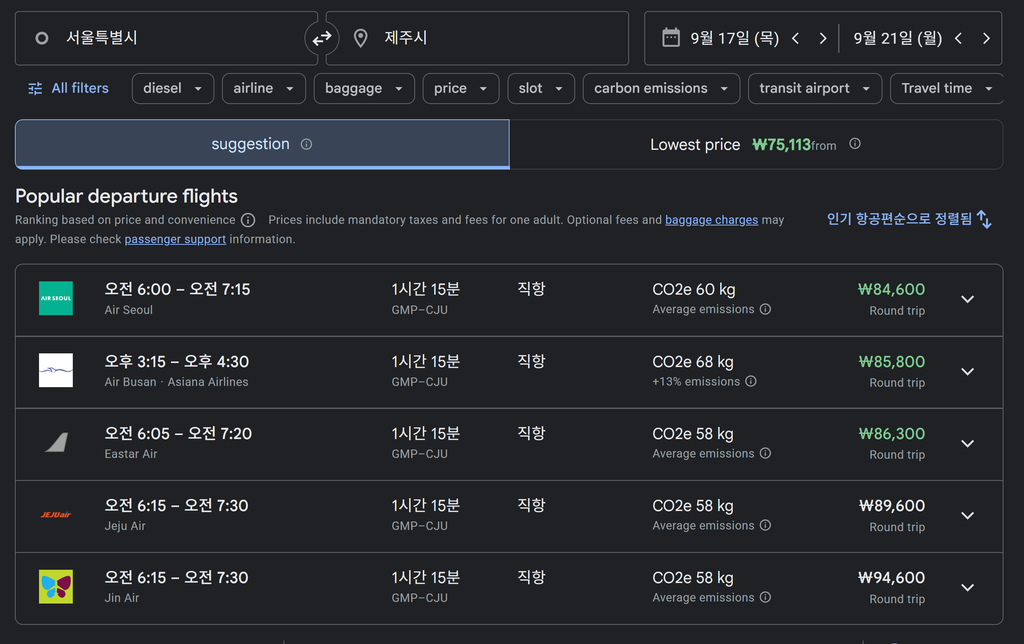
Whether you are a business traveler, a student on a budget, or a family planning a long-awaited vacation, the mechanics of booking, boarding, and flying this route remain consistent. The flight time is short—typically about one hour in the air—but the logistics surrounding airport navigation and timing are what truly determine the quality of your experience. This guide will walk you through every nuance of the Seoul to Jeju journey, ensuring you have the knowledge to make smart decisions before you even arrive at the terminal.
Choosing Your Departure Airport
One of the most important aspects of flying from Seoul to Jeju is deciding which airport to use. Seoul is served by two primary airports: Gimpo International Airport (GMP) and Incheon International Airport (ICN). While Incheon is the massive global gateway for international travelers, Gimpo is the domestic powerhouse located much closer to the heart of Seoul.
Gimpo International Airport Advantages
Gimpo is the overwhelming favorite for domestic flights to Jeju. Its primary advantage is proximity. If you are staying in central Seoul, such as in the Gangnam or Myeongdong districts, you can reach Gimpo in roughly 30 to 45 minutes by subway or taxi. This proximity significantly reduces the stress of travel, allowing you to depart later and arrive home sooner. Most airlines operate their Jeju flights out of Gimpo, meaning you have a vast array of departure times to choose from, often with flights leaving every 15 to 20 minutes during peak hours.
Incheon International Airport Considerations
Incheon is primarily an international hub, but it does handle a limited number of domestic flights to Jeju. You might choose Incheon if you are arriving from abroad and have a connecting flight to Jeju. It is generally not recommended to travel from central Seoul to Incheon just to take a domestic flight to Jeju, as the travel time to the airport is significantly longer than to Gimpo. However, if you are already at Incheon for an international transfer, taking a flight directly from there is a convenient way to bypass the need to transfer to Gimpo.
Navigating Airline Options
The competition on the Seoul to Jeju route is fierce, which is a major benefit for the consumer. You have a wide range of choices, from full-service carriers to low-cost budget airlines. Understanding the differences between these options can help you prioritize whether you want comfort, speed, or the lowest possible price.
Full Service Carriers
Korean Air and Asiana Airlines are the two primary full-service carriers operating this route. These airlines offer a more premium experience, including assigned seating, higher baggage allowances, and a higher level of service. If you are traveling for business or have significant luggage, these airlines provide a more reliable and comfortable experience. They also tend to have more robust systems for handling delays or cancellations, which can be a lifesaver during bad weather.
Low Cost Carriers
The market is dominated by several low-cost carriers (LCCs) such as Jeju Air, Jin Air, Air Busan, Tway Air, and Eastar Jet. These airlines have revolutionized travel to Jeju by making it incredibly affordable. While you might pay extra for seat selection, checked baggage, or snacks, the base fares are often extremely low. For many travelers, especially those packing light, these LCCs offer the best value for money. It is important to read the fine print regarding baggage fees, as these can sometimes add up if you are carrying more than a standard carry-on.
Timing Your Trip for Maximum Efficiency
The timing of your flight plays a major role in both cost and comfort. Because this route is so popular, prices fluctuate based on demand, which is heavily tied to the day of the week and the time of the year.
The Best Days to Fly
Mid-week flights (Tuesday, Wednesday, and Thursday) are almost always cheaper than weekend flights. Many people travel to Jeju for weekend getaways, so Friday afternoons and Sunday evenings see the highest demand and the highest prices. If your schedule is flexible, aiming for a Tuesday morning departure and a Thursday afternoon return can save you a significant amount of money.
The Impact of Peak Seasons
Jeju is a year-round destination, but certain times of the year are incredibly crowded. The spring season (especially during the cherry blossom bloom) and the autumn foliage season see massive influxes of tourists. Summer vacation (late July through August) is also a peak period. During these times, it is essential to book your flights at least one to two months in advance to secure reasonable rates. If you choose to travel during these periods, expect crowded airports and longer wait times for security and boarding.
Booking Strategies and Cost Saving Tips
Securing a cheap flight to Jeju is less about finding a secret deal and more about using the right tools and strategies. Because there are so many flights, the market is highly transparent, meaning you can easily compare prices across all carriers.
- Use Price Aggregators: Websites like Skyscanner, Kayak, and Naver Flights are indispensable. They allow you to see a side-by-side comparison of all airlines for your specific dates.
- Set Price Alerts: If you have a specific travel window in mind, set up price alerts. You will receive an email notification when prices drop or rise, helping you time your purchase.
- Book Directly: While aggregators are great for searching, booking directly on the airline’s website can sometimes be safer. If there is a flight change or a cancellation, dealing directly with the airline’s customer service is usually much faster than going through a third-party agency.
- Check for Member Discounts: Many of the budget airlines have free-to-join loyalty programs. Signing up for these can sometimes grant you access to member-only fares that are slightly lower than the public prices.
The Airport Experience from Check In to Boarding
Once you have your ticket, knowing how to navigate the airport is the final step in ensuring a smooth departure. Domestic travel in South Korea is highly efficient, but there are still procedures you must follow to avoid missing your flight.
Check In Procedures
Most travelers today use mobile check-in. Airlines will send you a link 24 hours before your flight. Completing this process online allows you to skip the check-in counter entirely if you are only carrying hand luggage. If you have bags to check, you will need to proceed to the self-service bag drop or the airline counter. Arriving at the airport 60 to 90 minutes before your flight is generally sufficient for domestic travel, though you should arrive earlier if you are traveling during a major holiday period like Chuseok or Seollal.
Security Screening
Security at Korean airports is thorough but generally moves quickly. You will need a valid government-issued ID (such as a passport or an Alien Registration Card for residents) to pass through security. Digital IDs are becoming increasingly accepted, but it is always wise to have your physical ID on hand just in case. Ensure that you have all liquids in containers under 100ml if you are carrying them in your hand luggage, although domestic security is often slightly more lenient regarding water bottles than international security.
Boarding the Aircraft
Boarding for Jeju flights is a well-oiled machine. Because planes are often turned around quickly, boarding typically begins 20 to 30 minutes before departure. Pay attention to your boarding group or row number. Even though it is a short flight, the process of boarding a full Boeing 737 or Airbus A320 can take time, so it is best to be near the gate when your group is called.
Common Misconceptions about Jeju Travel
Many first-time travelers to Jeju hold misconceptions that can influence their travel plans negatively. Clearing these up will help you manage your expectations and enjoy your trip more.
Misconception: You need a rental car
While renting a car provides the most freedom on Jeju, it is not strictly necessary. Jeju has a decent bus network, and for those who prefer not to drive, there are plenty of taxi services and tour buses. If you plan on staying in one area, such as Jeju City or Seogwipo, you can easily get around using public transport or taxis. Renting a car is only essential if you want to explore the more remote corners of the island or if you are traveling with a large family.
Misconception: All flights are the same
Not all flights are created equal. Some airlines offer more legroom, some offer better entertainment options via personal devices, and some have vastly different baggage policies. Always check the specific aircraft type and the baggage allowance for the fare class you are booking. A cheap flight that requires you to pay extra for every kilogram of baggage might end up costing more than a slightly more expensive ticket that includes a 15kg allowance.
Packing for a Short Flight
Because the flight to Jeju is so short, your packing strategy should focus on efficiency. You do not need to pack as if you are going on a long-haul international journey. However, the weather on Jeju can be unpredictable, especially if you are traveling during the shoulder seasons.
- Layering is Key: Jeju is an island, and the weather can change rapidly due to wind and sea proximity. Even in summer, having a light jacket is a good idea for the evenings.
- Comfortable Footwear: You will likely be doing a lot of walking, whether on the beach, in the forests, or through the markets. Bring shoes that you have already broken in.
- Essentials Only: Since you are only in the air for an hour, keep your carry-on light. A small backpack or a tote bag is usually sufficient for your in-flight needs.
- Electronics: Most domestic flights do not have seatback entertainment systems. Make sure your phone or tablet is charged and loaded with movies, music, or books before you board.
Handling Flight Delays and Disruptions
Even with the most careful planning, travel disruptions can happen. Weather in Jeju is notorious for being unpredictable, particularly during the typhoon season or during heavy winter snowstorms. If your flight is delayed or cancelled, staying calm and informed is your best strategy.
What to Do During a Delay
If your flight is delayed, monitor the airline’s app or website for real-time updates. If you are at the airport, keep an eye on the flight information boards. If the delay is significant, approach the airline’s customer service desk immediately. They are the ones who can rebook you on the next available flight. In many cases, if a flight is cancelled due to weather, the airline will automatically rebook you, but you should verify this to ensure you have a seat on the next flight out.
Compensation and Rights
South Korean aviation regulations provide protections for passengers, but these often depend on the cause of the delay. If the delay is caused by the airline (e.g., mechanical issues), you may be entitled to compensation or assistance. However, if the delay is caused by “force majeure” events like extreme weather, airlines are generally not required to provide financial compensation, though they should still facilitate your rebooking. Always keep your receipts if you have to pay for meals or accommodation due to a long delay, as you may be able to claim these back from your travel insurance.
The Jeju Arrival Experience
Landing at Jeju International Airport (CJU) is an experience in itself. The airport is located very close to the coast, and on a clear day, the views of the ocean as you descend are spectacular. Once you land, the process of getting out of the airport is generally straightforward.
Getting from the Airport to Your Destination
If you have rented a car, you will need to take a shuttle bus to the rental car complex, which is located a short distance from the terminal. This is a very organized process, and signs are clearly marked in both Korean and English. If you are taking a taxi, follow the signs to the taxi stand outside the arrival hall. For those using public transport, the bus stops are located just outside the terminal and offer connections to all major parts of the island.
Initial Orientation
Upon arrival, take a moment to visit the tourist information desk inside the terminal. They provide excellent maps, brochures, and advice on the current weather and any local events. Getting a physical map can be very helpful if you are planning to travel to areas where mobile reception might be spotty or if you prefer a tactile way to plan your route.
Tips for Business Travelers
Many people commute between Seoul and Jeju for business. If this is your situation, your needs are likely different from those of a leisure traveler. You prioritize speed, reliability, and the ability to work while in transit.
- Choose Morning Flights: Morning flights are statistically more likely to be on time, as they are the first flights of the day and haven’t been affected by cascading delays from earlier arrivals.
- Use Airport Lounges: If you have a credit card that grants lounge access, use it. The lounges at Gimpo are quiet and provide a much better environment for finishing up work before your flight.
- Carry-on Only: Avoid checking bags at all costs. This will save you 20 to 30 minutes on both ends of your trip, which is significant when you are on a tight schedule.
- Select Seats Near the Front: Choosing a seat in the first few rows will allow you to deplane faster, getting you to your taxi or rental car while others are still waiting in the aisle.
Traveling with Family and Children
Flying with children requires more preparation, but the Seoul to Jeju route is very family-friendly. Most airlines offer priority boarding for families with young children, which can make the process of getting settled much easier.
Preparing Kids for the Flight
The short flight time is perfect for children, but even an hour can feel like an eternity if they are bored or uncomfortable. Pack a small kit with snacks, a few toys, and coloring books. If your child is prone to ear pain during takeoff or landing, have them drink something or chew gum to help equalize the pressure. Most parents find that a tablet loaded with their favorite shows is the most effective way to keep children occupied during the flight.
Strollers and Gear
You can usually gate-check your stroller, meaning you can use it right up until you board the plane. It will then be waiting for you as you exit the aircraft upon arrival. This is a huge convenience for navigating the large terminals at Gimpo and Jeju airports. Check with your airline’s specific policy on strollers, as some budget carriers may have specific size or weight restrictions.
Understanding Seasonal Weather Impacts
Jeju’s weather is often cited as the biggest variable in your travel plans. While the flight itself is short, the weather can turn a simple trip into a complex one if you don’t plan accordingly.
Spring and Summer
Spring is beautiful, with flowers blooming across the island. However, this is also the season for yellow dust (Asian dust) and occasional rain. Summer is hot and humid, and this is the time when typhoons can potentially disrupt air travel. Always check the weather forecast for both Seoul and Jeju a few days before your flight. If a typhoon is approaching, be prepared for potential cancellations and have a backup plan for your accommodation.
Autumn and Winter
Autumn is widely considered the best time to visit Jeju, with mild temperatures and clear skies. Winter can be cold and windy, and snowstorms can occasionally close the airport for a few hours. If you are traveling in winter, keep a closer watch on flight statuses, as de-icing procedures can cause minor delays even if the flight isn’t cancelled.
The Value of Local Knowledge
Talking to locals or frequent travelers can give you insights that you won’t find in a guidebook. For instance, many regular travelers know which side of the plane to sit on to get the best views. If you are flying from Seoul to Jeju, sitting on the left side of the plane (the A or B seats) often provides a beautiful view of the coastline as you approach the island. Similarly, knowing which taxi stand at the airport is less crowded can save you 10 minutes of waiting time.
Another piece of advice from frequent travelers is to always carry a portable power bank. While most modern planes have USB ports, they are not guaranteed on every budget airline flight. Having your own power source ensures that your phone, which you will likely use for navigation and translation on the island, remains charged throughout your journey.
Ensuring a Smooth Return Journey
Just as you planned your arrival, you should plan your departure from Jeju. The return flight can be just as busy, especially on Sunday evenings. Arrive at Jeju International Airport with plenty of time to spare, as the security lines can get very long during peak departure hours.
Last Minute Souvenirs
Jeju is famous for its citrus fruits, specifically hallabong and other varieties. Many shops at the airport sell these, and they are usually packaged in convenient boxes that are easy to carry onto the plane. If you are buying gifts, consider buying them at the airport to save yourself the hassle of carrying them around the island during your trip. These items are generally allowed through security, but check the size of the box to ensure it fits within your airline’s carry-on dimensions.
Final Airport Procedures
When leaving Jeju, remember that the airport can be chaotic. If you are returning a rental car, allow for an extra 30 minutes beyond what the rental company suggests. There is often a queue for the shuttle buses that take you from the rental facility back to the terminal. If you are running late, you might find yourself stressed, so always err on the side of caution. Once you are through security, take a moment to relax and enjoy one last view of the island before boarding your flight back to the busy life of Seoul.
The Evolution of the Seoul to Jeju Route
The history of this route is a testament to the growth of Korean tourism. What started as a niche route for domestic business travelers and a few adventurous tourists has grown into the world’s most frequented air lane. This growth has forced infrastructure improvements, such as the expansion of terminal facilities at both Gimpo and Jeju airports, and the introduction of advanced air traffic control systems to manage the sheer volume of planes in the sky at any given time.
For the traveler, this means that the system is constantly being refined. New self-service kiosks, biometric boarding passes, and improved mobile apps are all designed to make the experience faster and more secure. Keeping up with these small technological changes can make your travel life significantly easier. For example, registering for the “biometric” ID check at the airport can allow you to pass through security without even showing your physical ID card, using only your palm print and a pre-registered ID.
Final Thoughts on Making the Most of Your Trip
Ultimately, the flight from Seoul to Jeju should be viewed as a gateway to an experience rather than just a logistical hurdle. By understanding the nuances of the airports, the differences between airlines, and the importance of timing, you can strip away the stress of the process and focus on the destination. Whether you are seeking the volcanic beauty of Hallasan Mountain, the serene beaches of the coast, or the unique cultural heritage of the island’s villages, your journey begins the moment you step onto the plane.
Preparation is the key to any successful trip. By using the tools available to you, staying informed about weather and policy changes, and keeping a flexible mindset, you can navigate the busiest air route in the world with the confidence of a seasoned traveler. Jeju Island is a unique and captivating destination that offers something for everyone, and with the right approach, your travel to and from the island will be just as rewarding as the time you spend exploring its many wonders.
Master






댓글 0
첫 댓글을 남겨보세요.