
Seoul National Museum of Korea Visitor Information
Discovering the National Museum of Korea
The National Museum of Korea stands as the flagship institution for Korean history and culture. Located in the heart of Seoul, it is not merely a building housing artifacts but a sprawling cultural complex that bridges the gap between the ancient past and the modern present. For residents and international travelers alike, this museum serves as the primary gateway to understanding the philosophical, artistic, and historical development of the Korean peninsula. Spanning from the prehistoric era to the early 20th century, the collection is vast, meticulously curated, and housed in an architectural marvel that is an attraction in its own right.
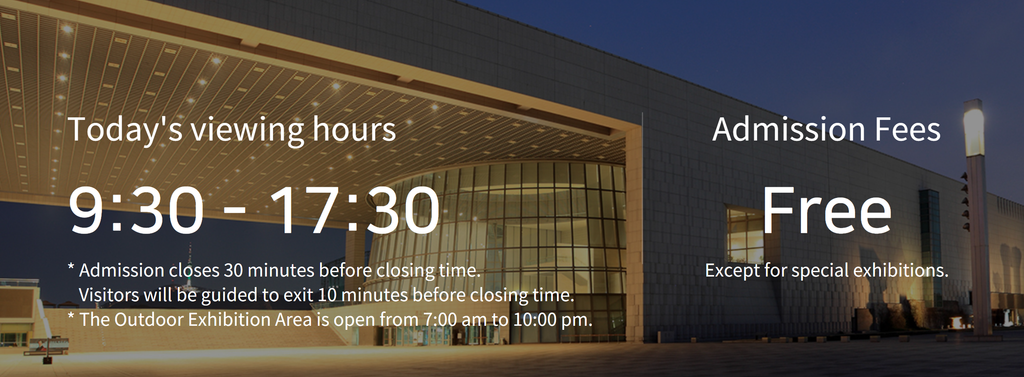
Visiting this museum provides a profound sense of context for everything else you might experience in South Korea. Whether you are walking through the modern streets of Gangnam or visiting ancient palaces, the artifacts housed here explain the craftsmanship, the religious shifts, and the political evolution that shaped the nation. Because the museum is so expansive, a strategic approach to visiting is essential to ensure you do not feel overwhelmed by the sheer scale of the displays.
Essential Logistics for Your Visit
Planning your visit begins with understanding the physical layout and the operational guidelines of the museum. The museum is located in the Yongsan district, which is centrally positioned and easily accessible via public transportation. Unlike many major international museums that require expensive entry fees, the permanent exhibition halls at the National Museum of Korea are free to the public. This makes it one of the most accessible and cost-effective cultural experiences available in Seoul.
Operating Hours and Accessibility
The museum operates on a schedule that accommodates both weekday visitors and weekend crowds. It is important to note these times to avoid disappointment:
- Monday, Tuesday, Thursday, Friday: 10:00 AM to 6:00 PM
- Wednesday and Saturday: 10:00 AM to 9:00 PM
- Sunday and Public Holidays: 10:00 AM to 6:00 PM
Late-night openings on Wednesdays and Saturdays are particularly beneficial for those who work during the day or wish to experience the museum when it is less crowded. During these late hours, the museum provides a different atmosphere, often with fewer school groups and a more contemplative environment. The museum is closed on January 1st, Lunar New Year’s Day, and Chuseok (Korean Thanksgiving). Always check the official website before planning a trip on a major holiday, as schedules can fluctuate.
Getting to the Museum
The most efficient way to reach the museum is through the Seoul Metropolitan Subway system. The museum is directly connected to Ichon Station, which serves both Line 4 and the Gyeongui-Jungang Line. Upon exiting at Exit 2, you will find a covered pedestrian path that leads directly to the museum plaza. This path is climate-controlled, making it comfortable regardless of whether you are visiting in the heat of summer or the biting cold of winter.
Navigating the Exhibition Floors
The museum is organized into three main floors, each dedicated to different eras and themes. Understanding this layout is crucial for efficient navigation.
The First Floor Prehistory and Ancient History
The first floor takes visitors on a chronological journey starting from the Paleolithic Age. You will see stone tools, ancient pottery, and the early metalwork that defined the transition into organized society. A major highlight here is the Silla Kingdom gallery, which features the famous gold crowns. These artifacts are delicate and breathtaking, showcasing the immense wealth and technical skill of the ancient Korean kingdoms.
The Second Floor Calligraphy and Painting
The second floor is dedicated to the refined arts of the Joseon Dynasty and earlier periods. Here, you will find Buddhist paintings, traditional ink landscapes, and intricate calligraphy. This floor is often quieter than the others, providing a serene environment to appreciate the philosophy of Confucianism and the aesthetic sensibilities of the literati. If you enjoy quiet reflection, this is the area where you should spend the most time.
The Third Floor Sculpture and Crafts
The third floor houses the Sculpture and Crafts gallery, which is home to some of the most iconic pieces in the entire museum. The Pensive Bodhisattva statues are the crown jewels of this floor. These two bronze statues are famous for their serene expressions and the incredible detail in their drapery. Seeing them in person is widely considered a bucket-list experience for art history enthusiasts.
Strategic Tips for a Productive Visit
Because the museum is so large, many visitors experience fatigue before they have seen even half of the collection. To avoid this, consider these practical tips:
- Prioritize your interests: If you are interested in ceramics, head straight to the Buncheong and White Porcelain galleries. If you prefer gold and jewelry, focus on the Silla and Gaya galleries on the first floor.
- Use the digital guides: The museum offers high-quality audio guides that provide deep insights into specific artifacts. You can rent these at the information desk or use the museum’s mobile app.
- Take advantage of the rest areas: There are numerous benches and quiet corners throughout the galleries. Do not feel pressured to walk the entire floor without stopping.
- Wear comfortable footwear: You will likely walk several kilometers if you attempt to see all the galleries. Ensure you have supportive walking shoes.
- Check for temporary exhibitions: While the permanent collection is free, the museum frequently hosts world-class traveling exhibitions from other global institutions. These usually require a separate ticket purchase, but they are often well worth the cost.
Common Misconceptions About the Museum
Many visitors arrive with preconceived notions that can hinder their experience. Addressing these misconceptions can help you have a more enjoyable day.
Misconception One: It is just a place for old pottery
While the museum does have a vast collection of ceramics, it is fundamentally a history museum. The displays include interactive elements, reconstructed tomb chambers, and even digital media installations that explain how these objects were used in daily life. It is not a static warehouse of relics; it is a narrative of a civilization.
Misconception Two: You can see everything in two hours
The National Museum of Korea is one of the largest museums in the world. Attempting to see the entire collection in a single afternoon is a recipe for exhaustion. Most repeat visitors recommend picking one or two galleries to explore in depth per visit. If you try to rush through everything, you will likely retain very little information.
Misconception Three: It is too difficult for non-Korean speakers
All permanent exhibition labels are provided in Korean, English, Chinese, and Japanese. The museum is extremely foreigner-friendly, and the signage throughout the complex is clear and intuitive. You will have no trouble navigating the building or understanding the context of the major displays.
The Architectural Experience
The building itself is a masterpiece of modern architecture. Designed by architect Chang-il Kim, the structure is intended to represent the harmony between traditional Korean aesthetics and contemporary design. The long, central hallway acts as a spine for the building, offering a clear view of the Namsan Seoul Tower through the glass facade. This view is iconic and serves as a reminder of the museum’s place within the larger urban landscape of Seoul.
The outdoor gardens are an often-overlooked aspect of the museum. They are beautifully landscaped with traditional Korean garden elements, including stone pagodas, lotus ponds, and winding paths. Spending time in the gardens after touring the indoor galleries is a perfect way to decompress and process what you have seen. The gardens are especially beautiful during the spring cherry blossom season and the autumn foliage season.
Dining and Shopping Facilities
You do not need to leave the museum grounds to find quality food or souvenirs. The complex includes several options for dining, ranging from casual cafes to more formal restaurants.
- The Museum Cafe: Perfect for a quick cup of coffee and a light snack while you take a break between galleries.
- The Museum Restaurant: Offers a more substantial menu, often featuring traditional Korean dishes that allow you to extend the cultural experience of your visit through cuisine.
- The Gift Shop: Located near the main entrance, the shop sells high-quality replicas, books, stationery, and traditional crafts. It is one of the best places in Seoul to find unique, meaningful souvenirs that are directly tied to the history you have just studied.
Special Programs and Educational Resources
The museum is a hub for education and community engagement. Throughout the year, they offer a variety of programs that can enrich your visit.
Children’s Museum
If you are traveling with family, the Children’s Museum is an absolute must. It is a separate, interactive space designed to teach history through play. It uses sensory experiences and hands-on activities to help younger visitors understand how ancient Koreans lived, worked, and played. It is highly popular, so it is recommended to book your time slot in advance via the museum website.
Guided Tours
For those who want a more structured experience, the museum provides guided tours in various languages. These tours are led by experts who can provide context that is not always available on the placards. Checking the daily schedule for these tours can transform a passive walk-through into an educational masterclass.
Digital Media Installations
In recent years, the museum has embraced technology to bring history to life. The Digital Immersive Experience rooms are a highlight. These rooms use large-scale projections to create an immersive environment, such as a traditional painting brought to life or a digital recreation of a royal procession. These installations are visually stunning and provide a modern twist on historical appreciation.
Expert Advice for Deep Engagement
If you want to move beyond the role of a casual tourist and engage deeply with the material, consider the following expert strategies:
Focus on the Context of Materials
Instead of just looking at an object, ask yourself how it was made. For example, when looking at the Celadon pottery, consider the labor required to achieve that specific shade of jade-green glaze and the kiln temperatures needed to produce it. When looking at the metalwork, think about the tools available to the artisans of the time. Understanding the craftsmanship elevates the experience from simply looking at an object to appreciating a human achievement.
Look for the Connections
Try to trace the evolution of a specific design element across different centuries. You might notice how a specific motif—such as a lotus flower or a dragon—appears in pottery, then in jewelry, and later in painting. Finding these threads of continuity will help you understand how Korean culture has maintained its unique identity through millennia of change.
The Importance of the Pensive Bodhisattva
If you only have time to see one thing, make it the Pensive Bodhisattva statues. These figures represent a peak in Buddhist art. The posture—one leg crossed over the other, a finger resting gently against the cheek—is meant to depict a moment of deep, compassionate thought. The level of detail in the fingers and the subtle smile on the faces are hauntingly beautiful. Spend at least ten minutes just sitting in front of these statues; it is a meditative experience that stays with visitors long after they leave.
Utilizing the Museum on a Budget
Seoul can be an expensive city, but the National Museum of Korea is one of the few places where you can spend an entire day without spending a single cent. To maximize this, bring your own water bottle and snacks. While there are cafes, the museum allows you to bring your own items to enjoy in designated rest areas. This allows you to save your budget for other experiences in the city.
Additionally, the museum’s location in Yongsan makes it a great anchor for a low-cost day out. After visiting the museum, you can walk to the nearby Yongsan Family Park, which is free and offers beautiful walking trails. This combination creates a full day of culture and nature without any admission costs.
Frequently Asked Questions
Is photography allowed in the museum?
Yes, photography is generally permitted throughout the permanent exhibition halls for personal use. However, you must turn off your flash, as the light can damage the delicate pigments in ancient paintings and textiles. Some special exhibitions may restrict photography, so always look for signs at the entrance of each gallery.
Are there lockers available for bags?
Yes, the museum provides coin-operated lockers near the entrance. These are very convenient if you are traveling with large backpacks or heavy winter coats, allowing you to walk through the galleries unencumbered.
Is the museum wheelchair accessible?
The entire museum is designed to be fully accessible. There are elevators to all floors, ramps where necessary, and the galleries are spacious enough for easy navigation. Wheelchairs are also available for loan at the information desk on a first-come, first-served basis.
Can I leave and come back on the same day?
Yes, the museum allows re-entry. If you want to leave for lunch in the nearby Ichon neighborhood and return later in the afternoon to finish your tour, you are free to do so. Just ensure you keep your ticket if you are visiting a special exhibition.
The Cultural Significance of the Collection
The artifacts held within the National Museum of Korea are not just items of historical curiosity; they are the bedrock of Korean national identity. Many of the items on display are designated as National Treasures. When you stand before these pieces, you are looking at the same objects that have defined the Korean narrative for centuries. The museum plays a vital role in preserving these items for future generations, and your visit supports the ongoing efforts of conservation and research.
The museum also serves as a center for international cultural exchange. By hosting exhibitions from other countries, it encourages a dialogue between Korea and the rest of the world. It is a place where visitors can see how Korea’s history intersects with the history of its neighbors, such as China and Japan, as well as its connections to the Silk Road and beyond.
Preparing for Your Visit
Before you go, take a few minutes to browse the museum’s website. They have a virtual tour feature that allows you to preview the galleries. This can help you identify which rooms you are most excited to see. Additionally, checking their calendar for special lectures or musical performances can add an extra layer of enjoyment to your trip.
Consider the timing of your visit relative to the seasons. The museum is a fantastic climate-controlled refuge during the humid Korean summer or the freezing winter. In the spring and autumn, the museum’s outdoor spaces become a destination in their own right. By aligning your visit with the weather, you can ensure that your experience is as comfortable as it is educational.
Final Thoughts on Engaging with History
Visiting a museum of this scale is a marathon, not a sprint. The most important advice is to keep an open mind and allow yourself to be surprised. You might find that you have a deep interest in something you never thought you would care about, such as ancient metal casting or the evolution of Korean roof tiles. Let your curiosity lead you through the halls.
The National Museum of Korea is a testament to the resilience and creativity of the Korean people. By taking the time to explore its collections, you are doing more than just sightseeing; you are participating in a tradition of learning that has been central to Korean culture for centuries. Whether you spend an hour or a full day, the museum offers a unique window into a rich, complex, and beautiful history that continues to influence the world today.
By following these guidelines and approaching your visit with a clear plan, you will find that the museum is an incredibly rewarding experience. It is a place where you can find quiet in the middle of a busy city, gain a deeper understanding of human history, and appreciate the incredible artistic achievements of the past. Enjoy your exploration of one of the world’s most significant cultural institutions.
Planning Your Itinerary Around the Museum
Because the museum is located in the Yongsan district, it is perfectly positioned for a broader exploration of Seoul. After spending your morning or afternoon at the museum, you have several excellent options to round out your day. The neighborhood of Ichon, located just a short walk from the museum, is known for its diverse culinary scene, including some of the best Japanese-influenced food in Seoul due to the history of the local expat community.
Alternatively, if you are looking for more outdoor activity, the Yongsan Family Park is directly adjacent to the museum. This park offers a peaceful atmosphere with walking paths, ponds, and open green spaces. It is a popular spot for locals to picnic and enjoy the outdoors, making it a perfect complement to the indoor experience of the museum galleries. If you have the energy, you can also take a short bus or taxi ride to the nearby War Memorial of Korea, another massive and highly regarded institution that provides a different, more modern perspective on the history of the peninsula.
The Role of Digital Technology in Modern Museums
One of the most exciting aspects of the National Museum of Korea today is how it integrates digital technology to explain complex historical concepts. For those who may find traditional museum displays to be a bit dry, the museum’s commitment to digital innovation is a game-changer. The use of projection mapping, interactive touch screens, and high-definition video displays helps to contextualize the artifacts in a way that static labels simply cannot.
For instance, in the galleries covering the Goryeo Dynasty, you might find digital displays that show how a piece of celadon was fired in a kiln, complete with the changing colors of the clay and glaze as the temperature rises. This type of educational tool is invaluable for visual learners. It turns the museum from a place where you look at history into a place where you can witness the process of history being made. This focus on accessibility ensures that the museum remains relevant to younger generations and international visitors who may not have a deep background in Korean history.
Understanding the Importance of the Joseon Dynasty
A significant portion of the museum is dedicated to the Joseon Dynasty, which lasted from 1392 to 1897. This period is crucial for understanding contemporary Korean culture, as it was the era when many of the social structures, artistic traditions, and political philosophies that still influence Korea today were established. When walking through these galleries, pay close attention to the transition from the early, more expansive artistic styles to the later, more refined and minimalist aesthetic.
The Joseon galleries also display many items related to the daily life of the monarchy and the scholars of the time. You will see royal seals, court attire, and documents that provide a glimpse into the bureaucratic and social life of the capital. These items serve as a humanizing element, moving the focus away from abstract historical dates and toward the individuals who lived, governed, and created during this long and impactful period. Taking the time to read the descriptions of these personal items will provide you with a much deeper connection to the history of the Korean people.
The Significance of Buddhist Art
Buddhism played a foundational role in the development of Korean art and philosophy, and the museum’s collection reflects this in its extensive Sculpture and Crafts gallery. The progression of Buddhist statues from the Three Kingdoms period through the Goryeo Dynasty shows the evolution of religious devotion and artistic expression. As you walk through these galleries, observe the changes in the facial features and the body proportions of the statues. Early statues often reflect influences from India and China, while later works develop a distinctively Korean style characterized by softer lines and more approachable, human-like expressions.
This gallery is not just for those interested in religion; it is essential for anyone interested in the history of art. The craftsmanship involved in casting these large bronze statues or carving them from stone is staggering. Even if you do not have a background in Buddhist theology, the sheer beauty and technical mastery of these pieces are undeniable. They represent the spiritual aspirations of an entire civilization, and they remain some of the most powerful objects in the museum.
Final Recommendations for a Successful Day
To conclude this guide, remember that the National Museum of Korea is a gift to the public. It is a space designed for learning, reflection, and appreciation. Do not feel the need to rush. If you find yourself gravitating toward a particular display, stay there. Talk to the museum staff if you have questions—they are often experts in their respective fields and are usually happy to share their knowledge with curious visitors.
Above all, enjoy the atmosphere. The building’s design, with its light-filled atrium and thoughtful transitions between spaces, is meant to be a calming and uplifting environment. Let the museum be a place where you can slow down and disconnect from the fast pace of modern life. Whether you are an art enthusiast, a history buff, or simply someone looking for a meaningful way to spend a day in Seoul, the National Museum of Korea will provide you with an experience that is both enlightening and unforgettable.
Master





댓글 0
첫 댓글을 남겨보세요.