
Let’s learn about Seoul’s traditional Namdaemun Market
An Introduction to Namdaemun Market
Stepping into Namdaemun Market feels less like visiting a shopping district and more like diving headfirst into the beating heart of Seoul. As the oldest and largest traditional market in South Korea, this labyrinthine space has survived wars, modernization, and the rapid pace of digital transformation, yet it remains stubbornly, wonderfully authentic. Located near the historic Sungnyemun Gate, from which it derives its name, the market is a sprawling network of alleys that house thousands of vendors, wholesalers, and street food masters. It is a place where the scent of freshly toasted seaweed mixes with the sharp metallic tang of kitchenware, and where the persistent hum of bargaining creates a unique auditory landscape that defines old-school Seoul.
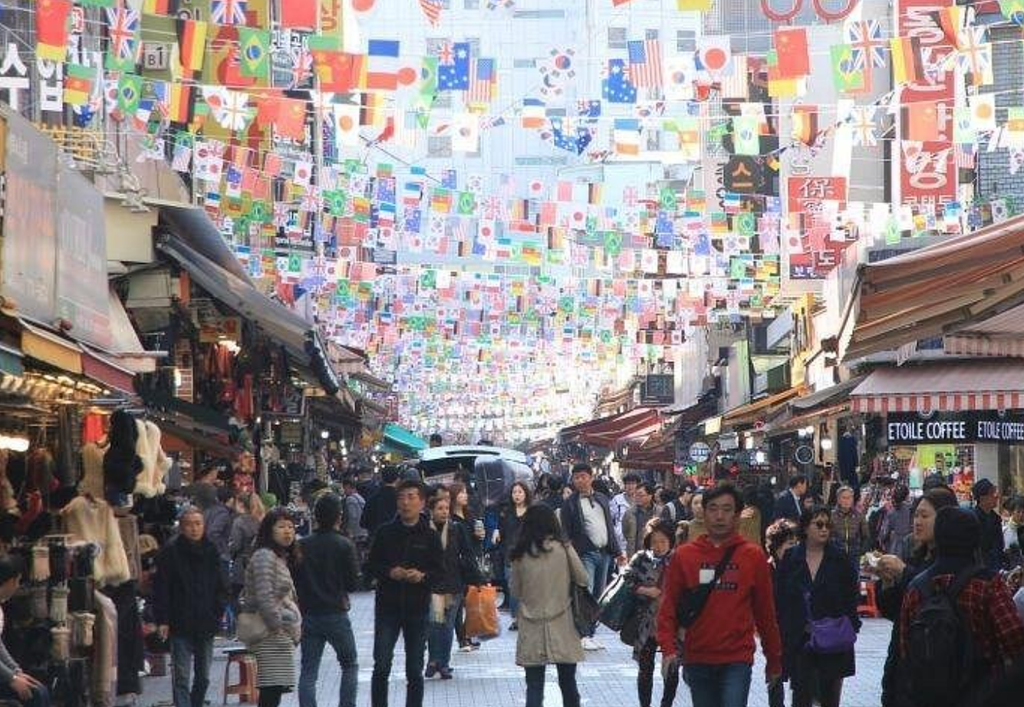
For visitors, Namdaemun is often the first stop on a journey to understand the grit and grace of the Korean capital. Unlike the polished, high-end shopping malls of Gangnam or the trendy boutiques of Garosu-gil, Namdaemun offers an unvarnished look at the industrious nature of the local population. It is a place where small business owners have operated for generations, passing down stalls and trade secrets. This market is not just a destination for tourists looking for souvenirs; it is a vital economic hub where local residents procure everything from high-quality kitchen knives and children’s clothing to fresh produce and medicinal herbs. Understanding Namdaemun is, in many ways, understanding the foundational layers of Seoul itself.
Key Features and Functional Landscape
The primary feature that sets Namdaemun apart is its sheer scale and operational diversity. The market is organized into specialized zones, each dedicated to specific categories of goods. This structure is a legacy of the traditional Korean market system, where merchants selling similar items congregate to create a cluster of expertise. If you are looking for camera equipment, there is a specific alley for that. If your goal is to find high-quality textiles or imported goods, there is an entire section of the market dedicated to those categories. This clustering makes the vast, overwhelming maze of alleys navigable if you have a clear idea of what you are seeking.
Another functional highlight is the market’s wholesale capacity. While many visitors browse for individual items, a significant portion of Namdaemun’s business occurs during the early morning hours, when business owners from across the country arrive to stock their own shops. This wholesale nature keeps prices remarkably competitive for retail customers as well. You are essentially buying items closer to the source than you would in a department store or a boutique in Myeongdong. The market operates on a schedule that defies the typical nine-to-five, with some sections bustling in the dead of night and others waking up as the sun rises over the city.
The culinary landscape is perhaps the most famous feature of the market. Namdaemun is renowned for its street food alleys, most notably the Kalguksu (knife-cut noodle) alley and the Galchi (hairtail fish) alley. These are not merely food stalls; they are institutions. The Kalguksu alley, in particular, is a marvel of efficiency and flavor, where cooks prepare massive bowls of steaming broth and handmade noodles in cramped quarters, serving hundreds of hungry shoppers daily. The social aspect of eating here—sitting shoulder-to-shoulder with strangers on small stools—is part of the essential experience of visiting the market.
Pros and Cons of Visiting Namdaemun
The Advantages of the Traditional Experience
- Unbeatable Pricing: Due to the high volume of wholesale trade, the price point for clothing, kitchenware, and daily necessities is significantly lower than in conventional retail outlets.
- Cultural Immersion: There is no better place to observe the daily rhythms of Seoul. The market is a sensory overload of sights, sounds, and smells that provide a deep, authentic connection to Korean culture.
- Variety and Depth: The range of products available is staggering. From traditional Korean handicrafts and ginseng to modern electronics and imported snacks, the diversity of goods is unmatched by any other single location in the city.
- Food Quality: The street food is legendary. It provides a rare opportunity to taste home-style Korean cooking that is often difficult to find in upscale restaurants.
The Challenges of Navigating the Maze
- Navigational Difficulty: For a first-time visitor, the market is genuinely confusing. The narrow, interconnected alleys lack clear signage, and it is incredibly easy to get turned around.
- Crowd Density: Namdaemun is rarely empty. During peak hours, the walkways can become extremely congested, which can be exhausting for those who prefer a more relaxed shopping environment.
- Language Barriers: While many merchants are accustomed to international tourists, the environment is fast-paced. Detailed explanations of product origins or complex transactions can be challenging if you do not speak Korean.
- Physical Demands: Exploring the market requires a significant amount of walking on uneven surfaces. It is not an environment designed for those with limited mobility, as the crowds and narrow alleys can be difficult to navigate.
Usage Experience and Performance Analysis
My personal experience at Namdaemun Market has evolved over several visits, shifting from initial bewilderment to a more appreciative, strategic approach. On my first visit, I made the mistake of trying to see everything at once. I spent hours walking in circles, overwhelmed by the sheer density of vendors. The performance of the market as a shopping destination depends heavily on your approach. If you treat it as a leisurely stroll, you will likely end up tired and confused. However, if you treat it as a purposeful mission—targeting specific alleys for specific needs—the efficiency of the market becomes apparent.
The quality of products in Namdaemun is generally high, but it requires a discerning eye. Because there are so many vendors, there is a mix of high-end traditional craftsmanship and cheaper, mass-produced items. For instance, when shopping for kitchenware, I found that the specialized stores offer professional-grade knives that compare favorably to high-end culinary shops in the West, often at a fraction of the price. The durability of these items is excellent, as they are geared toward restaurant owners who use them daily. Conversely, when browsing the clothing stalls, one must be prepared to sift through a variety of qualities; the “best” items are often tucked away in the back of the stalls, requiring you to engage with the shopkeeper.
The interaction with the vendors is a crucial part of the usage experience. Many of the shopkeepers have been in the market for decades. They are not typically aggressive, but they are direct. I found that a simple greeting in Korean often changes the dynamic of the interaction, opening the door for a more helpful and friendly exchange. The “performance” of the market as a social space is also worth noting; the camaraderie among the vendors, who share meals and gossip across the narrow aisles, creates a sense of community that is palpable. It is this human element that elevates Namdaemun from a mere marketplace to a living, breathing historical site.
Comparison with Similar Shopping Districts
Namdaemun Market versus Myeongdong
Myeongdong is often the first place international tourists visit, but it serves a very different purpose than Namdaemun. Myeongdong is the epicenter of beauty, skincare, and trendy fashion. It is highly commercial, polished, and designed specifically to cater to the tourist demographic. In contrast, Namdaemun is far more rugged and utilitarian. While Myeongdong is where you go to buy the latest K-beauty mask or trendy streetwear, Namdaemun is where you go for deep-cut items: traditional crafts, bulk spices, heavy-duty kitchen supplies, and children’s clothing. Myeongdong is a showroom; Namdaemun is a workshop.
Namdaemun Market versus Gwangjang Market
Gwangjang Market is the primary competitor in terms of “traditional” status, but the two offer distinct experiences. Gwangjang has become heavily focused on food tourism. While it has textile and vintage clothing sections, the primary draw for most visitors is the row of food stalls serving Bindaetteok (mung bean pancakes) and Yukhoe (beef tartare). Namdaemun, while having excellent food alleys, maintains a stronger focus on retail goods. If your priority is a food-centric experience, Gwangjang is often the more accessible and photogenic choice. If your goal is to shop for a wide array of goods while also grabbing a great meal, Namdaemun provides a more comprehensive, multi-purpose experience.
Namdaemun Market versus Dongdaemun Market
Dongdaemun is the fashion powerhouse of Seoul. It is a massive complex of modern shopping malls that stay open until the early hours of the morning, focusing on wholesale fashion, design, and fabric. The contrast here is one of scale and modernity. Namdaemun feels rooted in the past, with its low-rise stalls and historical context. Dongdaemun feels like the future of Korean commerce, with its futuristic architectural designs and high-tech mall environments. If you are looking for the latest fashion trends and high-volume wholesale clothing, Dongdaemun is the superior choice. If you are looking for a blend of traditional culture, household goods, and an older, more established market atmosphere, Namdaemun is the clear winner.
Strategic Tips for Navigating the Market
To truly get the most out of Namdaemun, you need a plan. The first rule is to arrive with cash. While some larger shops accept cards, the vast majority of the smaller stalls in the inner alleys operate on a cash-only basis. Having a stack of smaller bills is also appreciated, as vendors may not have change for large denominations during the busy morning rush. Secondly, do not be afraid to explore the upper floors of the market buildings. Many visitors stick to the ground-floor street level, missing out on the sprawling indoor markets that house hundreds of additional vendors selling everything from imported chocolates to intricate embroidery.
Timing is also critical. If you are not a morning person, avoid the early hours when the wholesale trade is at its peak; it is chaotic and you might feel like you are in the way of the professionals. Mid-morning, around 10:00 AM, is generally the sweet spot when the market is fully active but the initial rush has subsided. Additionally, consider visiting on a weekday. The weekends in Namdaemun are exceptionally crowded, making it difficult to move through the narrow alleys or get the attention of a vendor. By visiting during the week, you get a much better sense of the market’s true pace and character.
Finally, embrace the anonymity of the crowd. You will get lost, and that is part of the charm. If you find yourself in an alley that seems to be selling nothing but socks or nothing but plastic containers, don’t feel pressured to buy. The vendors are used to people browsing and moving on. The best way to navigate is to identify a landmark, such as one of the main gate entrances or a specific subway exit, and use that as your anchor. Once you have your bearings, feel free to wander into the side streets. Some of the most interesting finds, such as hidden tea shops or small workshops, are located in the nooks that most tourists never bother to explore.
The Cultural Significance of Namdaemun
It is impossible to discuss Namdaemun without acknowledging its resilience. The market has been a center of commerce since the early 1400s, originally established during the Joseon Dynasty. Over the centuries, it has faced fires, occupations, and the rapid urbanization that saw much of Seoul’s history paved over. The fact that Namdaemun persists is a testament to the Korean spirit of perseverance. It serves as a living museum where the social fabric of the country remains intact. When you watch an elderly merchant expertly folding textiles or hear the rhythmic clatter of a knife-cut noodle master, you are witnessing a continuity of tradition that is becoming increasingly rare in globalized cities.
The market also plays a vital role in the local economy, supporting thousands of families. Unlike corporate-owned malls, the wealth generated in Namdaemun circulates within the local community. This gives the market a distinct “personality” that is missing from sterile shopping environments. You see the same people day after day, year after year. There is a sense of pride in the goods sold here, whether it is a simple basket or a complex traditional garment. This pride translates into a level of service and personal touch that is often lost in modern retail.
Furthermore, Namdaemun serves as a bridge between generations. You will see young locals shopping for trendy items alongside their grandparents, who are there for traditional medicinal herbs or seasonal ingredients. This intergenerational dynamic ensures that the market remains relevant, preventing it from becoming a stagnant tourist trap. It is a place where the old and the new coexist, not always seamlessly, but always with a shared sense of purpose. This is the true power of Namdaemun: it is not just a place to spend money; it is a place to participate in the ongoing story of Seoul.
The Sensory Experience of the Market
The sensory impact of Namdaemun cannot be overstated. It is a place that demands your full attention. The visual field is crowded with colorful signs, stacks of goods, and the constant movement of people. The olfactory environment shifts every few meters—from the sharp, savory smell of frying oil and scallions in the food alleys, to the earthy, medicinal scent of dried roots and herbal tonics, and the dusty, comforting smell of old paper and fabric. It is a complex, layered experience that lingers long after you have left the market.
The auditory experience is equally intense. There is the constant shouting of vendors announcing their daily specials, the rhythmic chopping of knives on wooden blocks, the sizzle of food on hot griddles, and the underlying murmur of thousands of conversations in a dozen different languages. It is a cacophony that, rather than being annoying, feels like the heartbeat of the city. You don’t just visit Namdaemun; you hear it, smell it, and feel it. This full-body engagement is why the market remains one of the most memorable experiences for anyone traveling to South Korea.
Even for those who are not particularly interested in shopping, the sensory experience alone makes Namdaemun worth a visit. It is a place where you can practice the art of observation. Find a small corner to stand in for a few minutes, away from the main flow of traffic, and simply watch. You will see the complexities of human interaction—the haggling, the laughter, the shared meals, and the quiet moments of rest between tasks. It is a masterclass in urban life, captured in a few square blocks of ancient, bustling space.
Refining Your Expectations
When planning a trip to Namdaemun, it is important to manage your expectations regarding the “tourist” aspect. While it is a popular destination, it is not a theme park. It is a working market. Do not expect the staff to provide concierge-level service or for the alleys to be perfectly clean and organized. Expect dirt, expect noise, and expect to work for your discoveries. This is not a place for those who want a sanitized, curated shopping experience. It is for those who value authenticity and are willing to embrace the slight discomfort that comes with it.
It is also helpful to understand the nature of the products. If you are looking for brand-name luxury goods, you will not find them here, and if you do, they are likely not authentic. Namdaemun is about value, utility, and local craftsmanship. If you go in looking for a bargain on a designer handbag, you will likely be disappointed. If you go in looking for a high-quality, locally-made winter coat, a set of hand-forged kitchen utensils, or the best seaweed you have ever tasted, you will find exactly what you need. Aligning your shopping goals with the market’s strengths is the key to a satisfying visit.
Finally, remember that the experience is what you make of it. If you approach the market with a sense of curiosity and a willingness to engage, you will find that the barriers—the noise, the crowds, the language—become part of the fun. Every interaction is a story, and every purchase is a memory of a specific moment in the heart of Seoul. Whether you walk away with a bag full of goods or just a full stomach and a camera roll of interesting sights, you will have experienced a slice of Korean life that is as genuine as it gets.
The Evolution of Namdaemun
While Namdaemun is steeped in tradition, it is not frozen in time. The market has been adapting to the digital age in subtle but significant ways. Many vendors now use mobile payment apps, and some have even started selling their goods on domestic e-commerce platforms. You might see a shopkeeper who has been selling the same type of traditional pottery for forty years, yet they are checking their smartphone for inventory updates or coordinating a delivery via a messaging app. This hybrid of old and new is fascinating to witness.
The market also faces the challenge of staying relevant to a younger, more digital-savvy generation of Koreans. While older shoppers still frequent the market for their weekly needs, the younger crowd is often more attracted to the trendy neighborhoods of Hongdae or Seongsu. However, Namdaemun has begun to attract a new wave of interest from young entrepreneurs and artists who are drawn to the history and the raw, unpolished aesthetic of the market. This influx of creative energy is starting to manifest in small, hip pop-up spaces and modernized stalls that blend traditional goods with contemporary design.
This evolution ensures that Namdaemun will continue to serve as a vital link between Seoul’s past and its future. It is not just a place where history is preserved; it is a place where history is being constantly rewritten. As long as the market can maintain its core identity while making room for the inevitable changes of the modern world, it will remain the most important commercial and cultural landmark in the city. It is a living, breathing entity that reflects the tenacity and adaptability of the Korean people, and that is why it remains an essential destination for anyone who wants to truly understand what makes Seoul, Seoul.
Final Thoughts on the Namdaemun Experience
The experience of Namdaemun is fundamentally about human connection. Whether it is the brief, intense negotiation over the price of a scarf, the shared nod of acknowledgment with a noodle vendor, or the simple act of navigating a crowded alleyway alongside thousands of other people, you are participating in a communal rhythm that has existed for centuries. It is a humbling experience to realize that you are just a small part of this massive, ongoing engine of commerce and culture.
If you take the time to look beyond the surface, you will find that Namdaemun has a soul. It is found in the worn wooden counters, the faded signs, and the faces of the people who have spent their entire lives in these alleys. It is a place that demands respect—not just for the history it represents, but for the hard work and dedication that keeps it running every single day. To visit Namdaemun is to pay your respects to the grit and the joy of the people who built Seoul from the ground up.
Ultimately, Namdaemun is whatever you bring to it. If you bring a sense of adventure, you will find an unforgettable journey. If you bring a sense of curiosity, you will find endless stories. If you bring a desire to shop, you will find items that you will treasure for years to come. It is, without a doubt, the most honest and authentic experience you can have in the city. It is loud, it is messy, it is crowded, and it is absolutely perfect in its own unique, chaotic way. It is the heart of Seoul, and it is waiting for you to walk its alleys and discover its secrets.
Master




댓글 0
첫 댓글을 남겨보세요.