
Incheon International Airport: A Complete Guide for Travelers to Korea
Incheon International Airport A Gateway to Korea
Incheon International Airport serves as the primary international gateway to South Korea and consistently ranks among the best airports in the world. Located on Yeongjong Island, west of Incheon city, it acts as a massive hub connecting East Asia to the rest of the globe. For travelers arriving in Korea for the first time, navigating this sprawling facility can feel overwhelming. However, understanding its layout, services, and transit options can transform your arrival from a stressful experience into a seamless start to your journey.
The airport is divided primarily into two terminals, Terminal 1 and Terminal 2, which are connected by a shuttle train system. Beyond being just a place to catch a flight, Incheon International Airport is designed as a destination in its own right, offering cultural experiences, luxury shopping, and efficient digital infrastructure that reflects the technological advancement of the nation.
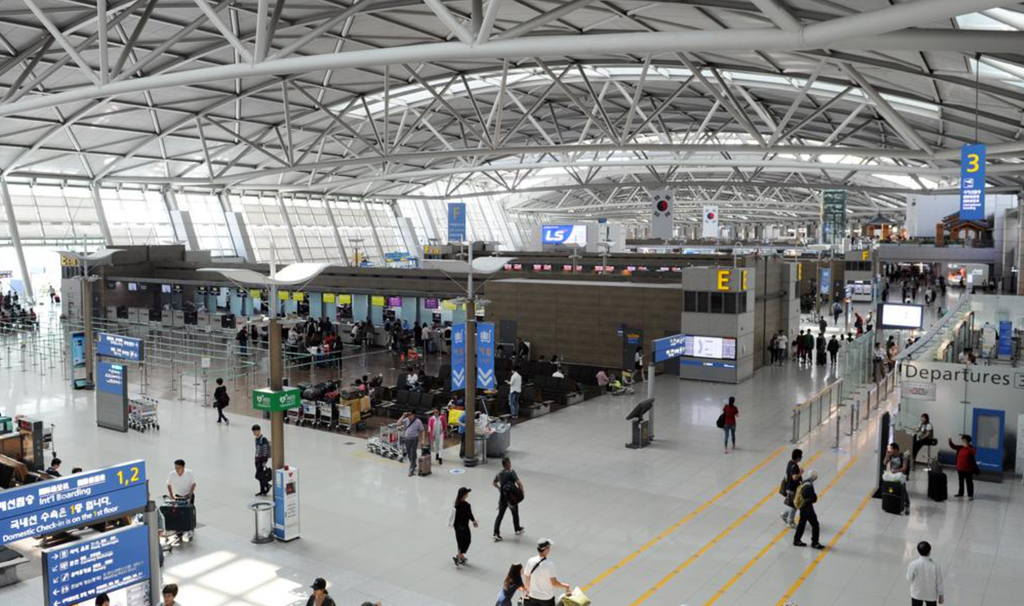
Navigating the Terminals
The airport consists of two main passenger terminals. Terminal 1 is the older and larger terminal, hosting a wide array of international airlines, while Terminal 2 is the newer, more streamlined facility primarily used by Korean Air, Delta, and other SkyTeam members. Knowing which terminal your flight arrives at or departs from is the most critical piece of information for any traveler.
Terminal 1 Structure
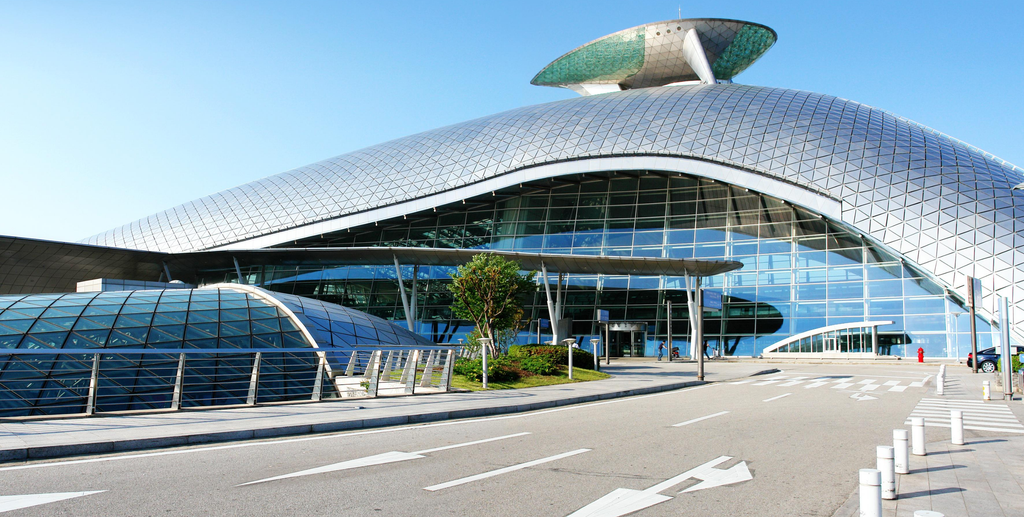
Terminal 1 is vast and often houses budget airlines and various international carriers. It features a central terminal building and a Concourse area accessible via an underground shuttle train. If your gate number is in the 100s, you are located in the Concourse. Always allow extra time to take the shuttle if you are departing from that area, as it adds about 15 to 20 minutes to your transit time.
Terminal 2 Structure
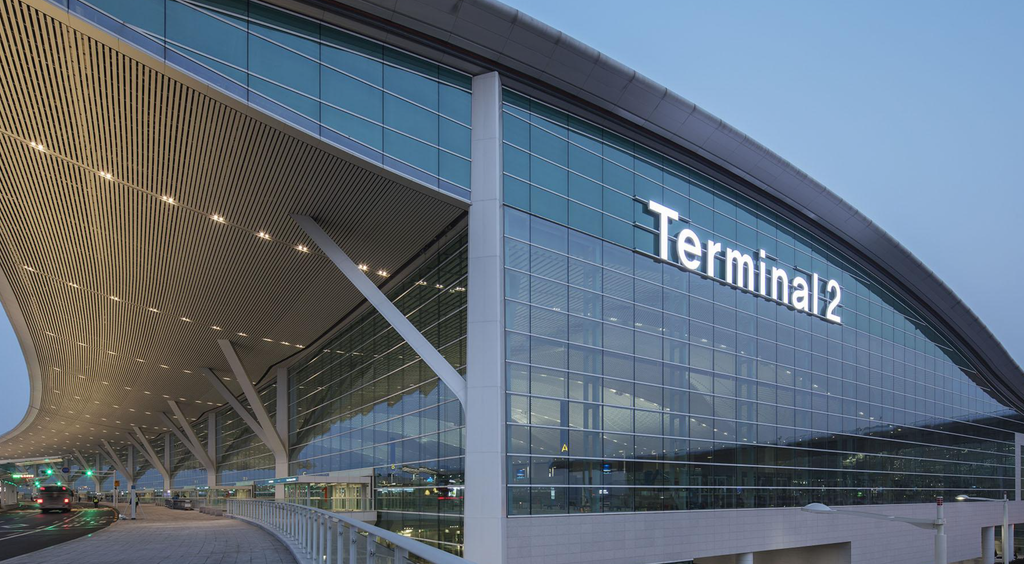
Terminal 2 is designed with a focus on ease of navigation and eco-friendly features. It is more compact than Terminal 1, meaning shorter walking distances between gates. This terminal is the hub for Korean Air and its partners. It features high-tech self-service kiosks, a very efficient baggage handling system, and a more modern aesthetic that emphasizes natural light and indoor greenery.
Transportation Options into Seoul
Once you clear customs and collect your luggage, your next priority is reaching your accommodation. Korea has an exceptional public transportation network, and the airport is perfectly integrated into it. Depending on your budget, luggage size, and destination, you have several reliable choices.
Airport Railroad Express AREX
The AREX is the fastest and most cost-effective way to reach downtown Seoul. There are two types of trains:
- Express Train: This is a non-stop service that runs from the airport directly to Seoul Station. It is the quickest option, taking approximately 43 minutes from Terminal 1 and 51 minutes from Terminal 2. It offers reserved seating and is very comfortable for travelers with heavy luggage.
- All Stop Train: This train stops at various stations along the way, including Gimpo Airport and Digital Media City. It is cheaper than the Express train but takes longer—about 60 minutes to reach Seoul Station. It is essentially a commuter train, so it can get crowded during rush hours.
Airport Limousine Buses
If your hotel is not near a major subway station, airport buses are arguably the most convenient option. These buses cover almost every corner of Seoul and its surrounding cities. You can purchase tickets at the kiosks located right outside the arrival halls. The buses are spacious, comfortable, and the drivers often help load your heavy suitcases into the storage compartments underneath.
Taxis and Private Transfers
Taxis are available 24/7 at the arrival level. There are standard taxis, deluxe taxis (which are black and more expensive but offer higher service), and jumbo taxis for groups or those with lots of luggage. It is generally recommended to use official taxi stands rather than accepting rides from people approaching you inside the terminal. If you prefer a stress-free arrival, booking a private transfer service in advance is a popular choice, as the driver will meet you at the arrival hall with a name sign.
Essential Services for Travelers
Incheon International Airport provides a wide array of services that cater to the needs of international visitors. Whether you need to stay connected or handle financial tasks, the airport has you covered.
Connectivity and SIM Cards
Staying connected is vital for navigating Korea, as Google Maps does not function perfectly for walking directions and public transit routes. Korea’s local map apps, Naver Map or KakaoMap, are essential. You can purchase local SIM cards or rent pocket Wi-Fi devices at various counters in the arrival hall. Most major carriers have booths open from early morning until late at night, making it easy to pick up your data plan immediately upon landing.
Currency Exchange and Banking
While you will find ATMs and currency exchange booths throughout the airport, it is often more cost-effective to withdraw local currency directly from an ATM using your international debit card. Most ATMs in the airport support global cards. Ensure your bank is notified of your travel plans to avoid card blocks. Currency exchange counters at the airport are convenient but often offer slightly less favorable rates than banks in the city center.
Tips for Efficient Transit
If you have a long layover, Incheon International Airport is one of the best places in the world to be stuck. It is designed to minimize boredom and maximize comfort.
Free Transit Tours
The airport offers free transit tours for passengers with layovers. These tours range from a few hours to half a day and take you to nearby cultural sites, temples, or shopping areas. You must register at the transit tour desk located in the transit area. It is a fantastic way to get a glimpse of Korean culture without having to worry about visa logistics, as the airport manages the entry procedures for these tours.
Nap Zones and Showers
For those exhausted from long-haul flights, the airport provides dedicated nap zones with reclining chairs. If you need a more private space, transit hotels are available inside the secure area, allowing you to sleep without going through immigration. Furthermore, the airport offers shower facilities. While some are free, others may require a small fee or the purchase of a towel kit. They are exceptionally clean and a great way to refresh before your next flight.
Common Misconceptions and Facts
Many travelers arrive with preconceived notions about airport procedures. Clearing up these myths can save you time and anxiety.
- Myth: You need a visa to enter the airport’s transit area. Fact: You do not need a visa to stay within the transit area of the airport. You only need to clear immigration if you intend to leave the airport to visit Seoul.
- Myth: Everything at the airport is overpriced. Fact: While duty-free shops can be expensive, the food courts in the airport offer reasonably priced, high-quality Korean meals. You can find a full, delicious meal for a price comparable to what you would pay in downtown Seoul.
- Myth: The airport is always crowded and chaotic. Fact: Incheon is famous for its efficiency. Even during peak seasons, the security and immigration lines move surprisingly fast due to the extensive use of automated gates and well-trained staff.
Cultural Experiences at the Airport
Incheon International Airport acts as a cultural ambassador for South Korea. Before you even set foot in the city, you can immerse yourself in local traditions.
Cultural Centers and Exhibits
Throughout the terminals, you will find traditional Korean cultural centers. These areas often showcase traditional crafts, music performances, and historical exhibits. You can try on a Hanbok (traditional Korean clothing) for free or participate in craft workshops. These areas provide a serene environment, contrasting with the typical hustle of an international terminal.
Korean Cuisine
Do not settle for generic fast food. The airport features excellent restaurants serving authentic Korean dishes like Bibimbap, Bulgogi, and Kimchi Jjigae. The food courts are well-organized, and the quality is significantly higher than at most international airports. Dining at the airport is a perfect introduction to the flavors you will experience during your stay.
Expert Advice for a Smooth Journey
As someone who frequently travels through Incheon, there are a few insider tips that can make a significant difference in your overall experience.
Use the Automated Immigration Check
If you are a frequent visitor or hold a passport that qualifies for the automated immigration system, register for it. It significantly reduces the time spent in passport control. Even for first-time visitors, the process of registering your fingerprints and photo at the airport is quick and will make your departure much faster.
Download Essential Apps Before You Land
Do not wait until you are at the airport to figure out your navigation. Download the Naver Map or KakaoMap apps before you leave your home country. These apps provide precise public transport schedules, walking routes, and even restaurant reviews. Also, have a translation app like Papago handy, as it is far more accurate for the Korean language than Google Translate.
Keep Your Boarding Pass Digital
While paper boarding passes are fine, keep a digital version on your phone. The airport infrastructure is highly digitized, and most services, including lounge access or duty-free pickups, can be managed using your phone. Ensure your device is fully charged; while there are plenty of charging ports, having a portable power bank is always a smart travel habit.
Cost Effective Utilization Methods
Traveling to Korea can be expensive, but you can save money starting from the moment you land at Incheon by making smart choices.
Tax Refunds
If you do a significant amount of shopping in Korea, remember that you are eligible for a tax refund on many purchases. At the airport, look for the tax refund kiosks located near the security gates. You can scan your passports and receipts to receive an immediate refund, often in cash or credited back to your card. Do not leave the airport without checking this, as it can be a substantial amount of money depending on your spending.
Convenience Store Savings
For quick snacks, water, or basic travel items, head to the convenience stores located throughout the airport. They offer items at local market prices, which are much lower than the prices at cafes or gift shops. If you need to buy a T-money card (the reloadable transit card used for buses and subways), buy it at a convenience store rather than at the transit centers, as you can often find better designs or bundle deals.
Duty Free Pickups
If you purchase items from duty-free websites in advance, you can pick them up at the designated counters after you pass through security. This is often cheaper than shopping in the physical duty-free stores at the airport. Many Korean skincare brands offer significant discounts on their websites for travelers who order ahead of time.
Frequently Asked Questions
Is it possible to stay overnight at the airport?
Yes, it is very common. You can stay in the transit hotel if you have a connecting flight, or you can stay at hotels located in the airport’s immediate vicinity, such as the Paradise City complex or various hotels near the airport rail stations. There are also many 24-hour lounges available for a fee.
How early should I arrive for my departure?
For international flights, it is recommended to arrive at least three hours before your scheduled departure. While Incheon is efficient, security and immigration can have unexpected queues during peak holiday seasons. If you have checked bags, arriving early ensures you avoid any stress at the check-in counters.
Can I leave the airport during a long layover?
Yes, you can. If you have a valid visa or qualify for visa-free entry, you are free to enter Korea and explore Seoul. If you are uncertain about your visa status, check with the Korean embassy in your home country before you travel. The airport’s location makes it easy to reach the city center in under an hour.
Is the airport accessible for travelers with disabilities?
Incheon International Airport is world-renowned for its accessibility. It features elevators, wide pathways, accessible restrooms, and dedicated assistance services for those who need it. If you require wheelchair assistance, it is best to request this from your airline at least 48 hours before your flight.
What is the best way to get a T-money card?
You can buy a T-money card at any convenience store (like 7-Eleven, GS25, or CU) inside the airport or at the subway station. You can load it with cash at the same convenience stores or at the machines located at any subway entrance. This card is essential for using buses, subways, and even paying for taxis in Korea.
Exploring the Airport Facilities
The airport is divided into zones that offer different experiences. The main terminal buildings are filled with retail spaces, ranging from high-end luxury brands to local Korean boutiques. The duty-free shopping here is extensive and often features exclusive items that you won’t find elsewhere. If you are a fan of K-beauty, this is the perfect place to stock up on skincare products, as many brands offer airport-exclusive gift sets.
Beyond shopping, the airport features several indoor gardens. These are not just decorative; they are designed to provide a calming environment for travelers. The “Star Garden” and other themed zones offer a breath of fresh air, literally and figuratively. Taking a walk through these areas is a great way to stretch your legs after a long flight.
For those traveling with children, the airport provides multiple play zones. These areas are clean, safe, and designed to keep kids entertained while waiting for a flight. This is a massive relief for parents who need a moment to grab a coffee or organize their belongings without worrying about their children.
Understanding Airport Security and Customs
Security at Incheon is thorough but well-managed. When approaching the security checkpoint, be prepared to remove your laptop, tablet, and any liquids from your bag. Korea follows international standards for liquids, so ensure your carry-on items comply with the 100ml rule. One thing to note is that Korean security staff are known for their professionalism and efficiency; follow their instructions clearly to speed up the process.
Customs declaration is usually done electronically or via a simple form provided on the plane. If you are carrying significant amounts of cash or goods that require declaration, do not hesitate to approach the customs officers. They are generally helpful and can guide you through the process, ensuring you stay within the legal requirements for entry.
The Importance of the Airport in the Travel Experience
The airport is not merely a transit point; it is the first and last impression you have of Korea. The design, the cleanliness, and the friendliness of the staff set the tone for your entire visit. The airport staff are highly trained to assist international travelers, and you will find that English signage is ubiquitous. Whether you need directions, medical assistance, or simply a recommendation for a good place to eat, the information desks are staffed by people who speak multiple languages and are eager to help.
As you prepare for your journey, treat the airport as a part of your Korean adventure. By familiarizing yourself with the layout and services ahead of time, you can navigate the facility with confidence. Whether you are arriving for a business trip or a vacation, Incheon International Airport is equipped to provide a world-class experience that makes your arrival in Korea as smooth as possible.
Technology and Digital Infrastructure
Korea is a global leader in technology, and this is clearly evident at Incheon. The airport features high-speed, free Wi-Fi throughout both terminals. The connection is stable and fast, allowing you to stream videos, make video calls, or work while you wait for your flight. You will also find plenty of charging stations with universal outlets, so you rarely need to worry about your battery dying.
The use of robots is another interesting aspect of the airport. You may spot autonomous robots patrolling the terminals, providing information to passengers, or even helping with cleaning. These robots are part of the airport’s commitment to smart technology. If you see one, feel free to interact with it; they are designed to be user-friendly and are a fun glimpse into the future of travel.
Final Considerations for Your Visit
When you eventually depart, the process at Incheon is just as streamlined as your arrival. Many travelers find that returning to the airport is less stressful than arriving, as they are already familiar with the flow of the terminals. Remember to arrive early enough to enjoy the final bits of duty-free shopping or to grab a last meal of authentic Korean food before you board your flight home.
Keep your passport and boarding pass easily accessible at all times. While the airport is safe, it is always wise to keep an eye on your belongings. The airport’s security measures are robust, and the lost and found department is highly efficient should you happen to misplace an item.
By taking the time to understand the layout and the myriad of services offered, you turn a complex transit hub into a helpful partner in your travels. From the moment you touch down to the moment you take off, Incheon International Airport is designed to make your journey through Korea one to remember for all the right reasons.
Cultural Etiquette and Behavioral Expectations
While the airport is international, it is located in Korea, and being aware of local customs can enhance your interactions. Koreans generally value politeness and quiet behavior in public spaces. Keeping your voice low in waiting areas and being patient in queues is greatly appreciated. When interacting with staff, a small nod or a polite thank you goes a long way. The staff are accustomed to international travelers and are very accommodating, but a friendly demeanor always fosters a better experience.
Respecting the designated areas, such as quiet zones and smoking lounges, is important. Smoking is strictly prohibited inside the terminal buildings, and using the designated outdoor or indoor smoking lounges is mandatory. These are clearly marked and easy to find. Adhering to these simple guidelines ensures a pleasant environment for everyone and reflects well on you as a visitor.
Making the Most of Your Layover
If you have an extended layover, don’t just sit at the gate. The airport offers a range of activities that can make your time fly by. Visit the Digital Art Gallery, where you can experience state-of-the-art displays that blend technology and art. If you are a sports enthusiast, there is even an ice rink in the airport area, depending on the season, or you can visit the golf course located near the airport complex. These facilities are designed to keep you active and engaged, ensuring that your long layover is a highlight of your trip rather than a chore.
Finally, always keep an eye on the flight information boards. While the airport is well-organized, gates can occasionally change, especially during busy hours. Checking the boards periodically or using your airline’s app will keep you updated in real-time, ensuring you are always in the right place at the right time. With these tools and tips, you are well-prepared to navigate Incheon International Airport like a seasoned traveler.
Master





댓글 0
첫 댓글을 남겨보세요.