
How to Grill and Eat Korean Samgyeopsal: A Complete Guide for Foreigners
Understanding the Culture of Samgyeopsal
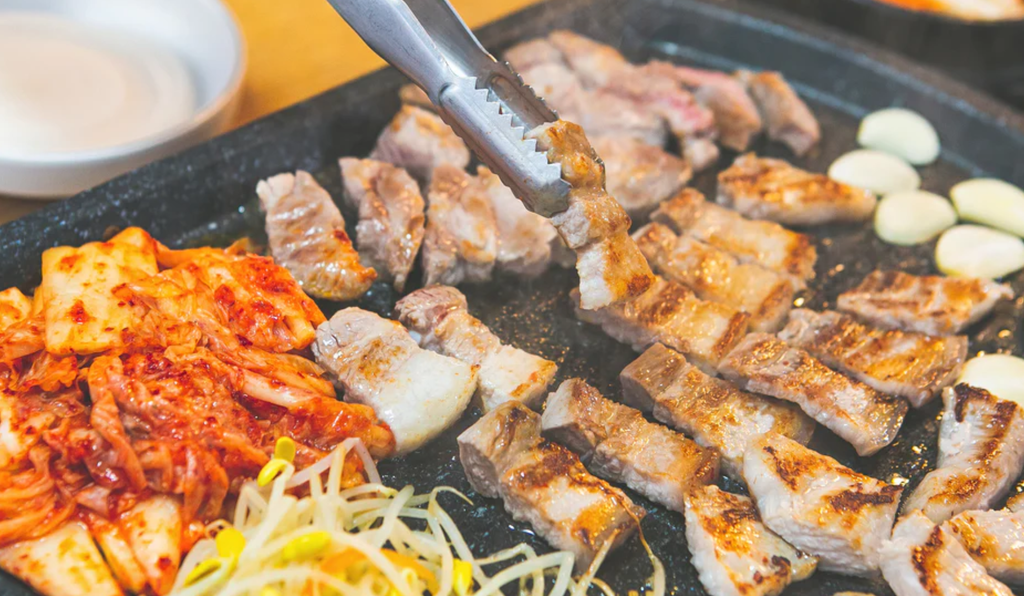
Samgyeopsal is far more than just a meal in Korea. It is a social institution, a culinary ritual, and a centerpiece of Korean communal dining. The word itself translates literally to three-layered flesh, referring to the distinct layers of fat and meat visible in high-quality pork belly. For many visitors to Korea, the sight of a sizzling grill at the center of a table surrounded by an array of colorful side dishes is the quintessential Korean dining experience.
The importance of Samgyeopsal lies in its accessibility and the interactive nature of the meal. Unlike many Western dining experiences where the food is prepared in the kitchen and brought to the table, Samgyeopsal is a collaborative effort. You become the chef, the grill master, and the assembly artist. This style of eating encourages conversation, bonding, and a relaxed atmosphere that is deeply ingrained in Korean culture. Whether it is a Friday night after work, a celebration with friends, or a family gathering, Samgyeopsal is the go-to choice for bringing people together.
Choosing the Right Pork Belly
When you are at a Korean butcher shop or supermarket, you will notice that not all pork belly is created equal. Understanding the quality of the meat is the first step toward a perfect meal. In Korea, the grading system for pork is rigorous, and local consumers take the freshness and the fat-to-meat ratio very seriously. When shopping, look for meat that has a bright pinkish hue and firm white fat. If the meat looks grayish or the fat appears yellow, it is best to avoid it.
There are generally two ways you will encounter Samgyeopsal: fresh and frozen. Fresh pork belly is considered superior in texture and flavor, offering a juicy, tender bite that melts in your mouth. Frozen, thinly sliced pork belly—often called Daepae-samgyeopsal—is a popular alternative that cooks almost instantly. It is a favorite for late-night meals or when you want a quick, crispy snack. If you are aiming for the traditional experience, always go for the thick-cut fresh variety.
Essential Equipment for a Perfect Grill
To replicate the authentic Korean experience at home, you need the right tools. While you can certainly use a standard charcoal grill, the ideal setup involves a slightly slanted grill plate. This design is crucial because it allows the rendered fat to flow away from the meat as it cooks, preventing the pork from becoming overly greasy or soggy. Many Korean households use electric grill plates, which provide consistent heat and are easy to manage.
Beyond the grill itself, you will need a set of long metal tongs and a pair of sharp kitchen shears. In Korea, scissors are the primary tool for cutting meat. It might feel strange to use scissors on food, but you will quickly realize that they are far more efficient than a knife and board. They allow you to snip the meat into bite-sized pieces directly on the grill, ensuring you can manage the cooking process with precision. Having a small bowl of coarse sea salt and a side of sesame oil mixed with salt is also essential for seasoning the meat as it cooks.
The Art of Grilling Samgyeopsal
Grilling is where the magic happens. The goal is to achieve a golden-brown, crispy exterior while keeping the interior juicy and succulent. Start by heating your grill plate to a medium-high temperature. Place the strips of pork belly onto the grill, ensuring they lay flat. You do not need to add oil to the pan; the pork belly is naturally high in fat and will release plenty of its own juices as it begins to cook.
As the meat cooks, you will hear a rhythmic sizzling sound that is music to any food lover’s ears. Flip the meat only when the bottom side has developed a nice, deep brown crust. This usually takes about three to four minutes per side, depending on the thickness. Once both sides are browned, use your kitchen shears to cut the strips into bite-sized rectangles, about one inch in length. Stand these pieces up on their sides for a final minute of searing to ensure all edges are crispy. This technique, often called the standing sear, is a pro tip that ensures every part of the meat has that satisfying crunch.
The Importance of Banchan and Side Dishes
No Samgyeopsal meal is complete without Banchan, the various side dishes that accompany the pork. These dishes serve to cut through the richness of the fatty meat, balancing the palate with acidity, spice, and freshness. Common side dishes include kimchi, pickled radishes, seasoned bean sprouts, and various types of Namul, or blanched vegetables.
Kimchi is the undisputed king of the side dishes. When grilling, it is highly recommended to place a portion of your kimchi directly on the grill plate, preferably in the path of the flowing pork fat. As the kimchi fries in the bacon-like grease, it develops a deep, caramelized flavor that pairs perfectly with the meat. This is a common practice in Korean restaurants and is considered a must-try for any foreigner looking to eat like a local.
Mastering the Ssam Experience
The term Ssam refers to the act of wrapping food in a leaf. This is the most iconic way to eat Samgyeopsal. You take a piece of fresh lettuce or perilla leaf, place a slice of cooked meat in the center, and add your choice of toppings. The goal is to create a flavor-packed parcel that you can pop into your mouth in one go.
To build the perfect Ssam, follow this guide:
- Start with a fresh lettuce leaf or a perilla leaf.
- Add a slice of the grilled pork belly.
- Dab a small amount of Ssamjang, a thick, savory paste made from soybean paste and chili paste.
- Add a piece of grilled garlic or a slice of raw green chili if you enjoy heat.
- Place a small portion of kimchi or pickled onions on top.
- Fold the leaf into a compact, bite-sized bundle.
- Eat it in one mouthful to experience the harmony of textures and flavors.
Common Misconceptions About Pork Belly
Many foreigners are initially intimidated by the amount of fat in Samgyeopsal. A common misconception is that the meal is unhealthy or overly heavy. While it is certainly a calorie-dense dish, the way it is served is inherently designed to mitigate the heaviness. The sheer volume of fresh greens, garlic, and fermented vegetables served alongside the meat acts as a digestive aid. The fiber from the lettuce and the probiotics in the kimchi help balance the meal, making it much more digestible than one might expect.
Another misconception is that the meat should be cooked until it is bone-dry. While some people prefer their bacon crispy, true Samgyeopsal should retain a degree of chewiness and internal moisture. Overcooking the meat until it turns into a hard chip strips away the beautiful texture of the pork belly. Aim for a balance where the outside is crisp but the inside remains tender.
Expert Tips for Maximizing Flavor
If you want to take your Samgyeopsal game to the next level, start experimenting with dipping sauces. While the classic salt and sesame oil dip is the gold standard, many modern Korean restaurants offer a variety of options. Some use a fermented shrimp sauce called Saeujeot, which provides a salty, umami kick. Others might offer a soy-based sauce with sliced onions and vinegar, which helps cleanse the palate between bites.
Another expert tip is to be mindful of your garlic. Raw garlic has a sharp, pungent bite, while grilled garlic becomes sweet and nutty. By having both on the table, you can adjust the intensity of your Ssam to suit your preference. If you find the raw garlic too strong, simply toss it on the grill for the last two minutes of cooking. The heat mellows the garlic and brings out its natural sugars, creating a delicious contrast to the savory pork.
Cost Effective Utilization of Ingredients
Samgyeopsal is a surprisingly cost-effective meal when done at home. Because the meat is the star of the show, you do not need expensive cuts or complicated marinades. Buying a slab of pork belly in bulk is significantly cheaper than purchasing pre-sliced portions. You can slice it yourself to your desired thickness, giving you more control over the quality of your meal.
Furthermore, the leftovers from a Samgyeopsal dinner are incredibly versatile. If you have leftover pork, store it in the refrigerator and use it the next day for Kimchi Jjigae, a hearty Korean stew. The rendered fat and the bits of meat add an incredible depth of flavor to the broth that is hard to replicate with other cuts of pork. Using the leftover meat in fried rice is another fantastic way to ensure nothing goes to waste. The smoky, charred bits of pork belly add a wonderful flavor to a simple bowl of rice, egg, and green onions.
Health Considerations and Balanced Eating
While enjoying Samgyeopsal, it is helpful to keep the concept of balance in mind. In Korea, it is common to pair the meal with a light, refreshing soup or a bowl of cold noodles at the end of the feast. This helps to reset the palate and aids in digestion. If you are eating out, don’t be afraid to ask for extra lettuce or perilla leaves. These greens are often unlimited in many restaurants and are the key to keeping your meal light and refreshing.
Hydration is also an important part of the dining experience. While many people enjoy a glass of Soju or beer with their pork, drinking plenty of water or barley tea throughout the meal will keep you hydrated and help manage the salt intake. If you are sensitive to heavy meals, try to focus on the Ssam aspect of the dining experience, maximizing the ratio of vegetables to meat in every bite.
The Social Ritual of Pouring Drinks
If you are dining with Korean friends, you might notice that there is a specific etiquette involved in pouring drinks. If someone is older than you, it is customary to pour their drink with both hands or with one hand supporting the wrist of the pouring hand. This small gesture shows respect and is a fundamental part of the social fabric of a Korean dinner.
Similarly, when someone pours a drink for you, it is polite to hold your glass with both hands to receive it. These social rituals might seem minor to a foreigner, but they are highly appreciated and go a long way in building rapport with your companions. The act of sharing a drink is seen as a way to lower barriers and foster a sense of community, which perfectly complements the communal nature of the Samgyeopsal grill.
Vegetarian and Alternative Options
While Samgyeopsal is strictly about the pork, the dining style is highly adaptable. If you are hosting a dinner and have friends who do not eat pork, you can easily offer alternatives. Thinly sliced beef brisket, known as Chadolbagi, is a fantastic substitute that cooks even faster than pork belly. The thin slices have a buttery, rich flavor that works perfectly with the same side dishes and dipping sauces.
For vegetarian guests, you can offer grilled mushrooms, zucchini, and eggplant. King oyster mushrooms, when sliced into rounds and grilled until golden, have a meaty texture that holds up well against the savory Ssamjang. Providing a variety of vegetables ensures that everyone can participate in the Ssam-making process, even if they aren’t eating the pork. The goal is to maintain the communal spirit of the grill, regardless of what is being cooked.
Navigating Korean Restaurants for Beginners
Stepping into a Korean BBQ restaurant for the first time can be overwhelming. There is the noise, the smoke, and the rapid pace of service. Here are a few tips to help you navigate the experience with confidence:
- Don’t be afraid to ask for help. If you aren’t sure how to use the grill or how long to cook the meat, the servers are usually happy to assist or show you the ropes.
- Watch the locals. Observe how they wrap their Ssam, how they grill their kimchi, and how they use the tools. It is the best way to learn the nuances of the meal.
- Start with the standard Samgyeopsal. Many menus will have various marinated meats like Galbi or Bulgogi, but it is best to start with the unmarinated pork belly to appreciate the quality of the meat.
- Pace yourself. The meal is intended to be a slow, leisurely affair. Take your time, enjoy the conversation, and don’t feel pressured to rush through the food.
- Check the ventilation. Most modern restaurants have powerful extractors above the tables. If the smoke becomes too much, look for a knob on the side of the exhaust pipe to adjust the height or suction.
Frequently Asked Questions
Is it okay to eat the fat on the pork belly?
Yes, the fat is considered the best part of the meat in Korean cuisine. It provides the flavor and the signature texture that makes Samgyeopsal so popular. If you are not a fan of fat, you can trim it, but you will be missing out on the authentic experience.
Do I have to use chopsticks for everything?
While chopsticks are the standard, don’t worry if you aren’t an expert. Most restaurants will provide spoons for soup and rice. For the meat, you will be using tongs and scissors to prepare it, and the Ssam is meant to be eaten with your hands. There is no shame in using whatever method makes you comfortable.
What if I burn the meat?
Don’t panic! It happens even to the best of us. If you burn a piece, simply use your scissors to trim off the charred parts. If the grill plate becomes too black or sticky, ask the server to change the plate. Most restaurants are very proactive about changing the grill surface to ensure the best flavor.
Is Samgyeopsal only for dinner?
Not at all. While it is a popular dinner option, it is perfectly acceptable to enjoy it for lunch. In fact, many restaurants offer lunch specials that include smaller portions of grilled meat with a side of rice and stew, making it a great midday treat.
What is the best drink to pair with Samgyeopsal?
Soju is the traditional choice, as its clean, crisp flavor cuts through the richness of the pork. Beer, or Maekju, is also a popular option. If you prefer non-alcoholic drinks, sparkling water or a light tea like corn silk tea works well to cleanse the palate.
The Evolution of Samgyeopsal Dining
In recent years, the culture of Samgyeopsal has evolved to include more specialized dining experiences. You can now find restaurants that specialize in aged pork, which undergoes a dry-aging process similar to high-end steak. This aging process concentrates the flavor and tenderizes the meat, offering a gourmet twist on a traditional favorite. Other establishments focus on pork from specific breeds or regions, highlighting the importance of the animal’s diet and upbringing on the final taste.
Despite these modern innovations, the heart of the meal remains the same. It is still about the fire, the meat, and the company. Whether you are in a high-end, modern establishment or a small, humble eatery tucked away in a side alley, the experience is defined by the same core values of community and shared enjoyment. As you become more familiar with the process, you will likely develop your own personal rituals, favorite side dish combinations, and preferred methods of grilling.
Creating Your Own Signature Style
As you gain experience, you will find that everyone has their own unique way of enjoying Samgyeopsal. Some people prefer to dip their meat in salt and nothing else to taste the pure quality of the pork. Others love to load their Ssam with as many ingredients as possible, creating a complex explosion of flavor. There is no right or wrong way to eat it; the beauty of the dish lies in its versatility.
Consider trying different types of kimchi, such as white kimchi or aged kimchi, to see how they change the flavor profile of the meal. Experiment with different types of leaves for your wraps, such as sesame leaves, which offer a unique, minty aroma that pairs beautifully with fatty pork. By experimenting with these variables, you can transform a simple meal into a customized culinary event that reflects your personal tastes.
The Lasting Appeal of Korean BBQ
The global popularity of Korean BBQ is a testament to the universal appeal of Samgyeopsal. It is a meal that defies cultural boundaries because it speaks to the basic human desire for good food, good company, and a shared experience. When you participate in the ritual of grilling, wrapping, and eating, you are connecting with a tradition that has brought joy to millions of people for generations.
As a foreigner, engaging with this culture is a wonderful way to gain a deeper understanding of Korea. It is not just about filling your stomach; it is about learning the rhythm of the meal, the importance of the side dishes, and the social etiquette that makes the experience so special. So, the next time you find yourself in front of a sizzling grill, take a deep breath, pick up your tongs, and enjoy the process. You are partaking in one of the most delightful aspects of Korean life.
Final Thoughts on the Samgyeopsal Journey
Embarking on the journey of mastering Samgyeopsal is a rewarding culinary adventure. From selecting the perfect cut of meat to perfecting the technique of the Ssam, every step offers a new discovery. You will learn that the true secret to this dish isn’t a complex recipe or a secret sauce, but the quality of the ingredients and the atmosphere of the table. Whether you are cooking at home with family or exploring the bustling streets of Seoul, remember that the most important ingredient is the enjoyment of the moment.
As you continue to explore this delicious tradition, keep an open mind and a hungry appetite. The world of Korean cuisine is vast, and Samgyeopsal is just one of many wonders waiting to be discovered. By embracing the hands-on nature of the meal and the communal spirit that defines it, you will find that you are not just eating a meal, but creating memories. Enjoy your next grill, and may your pork always be crispy, your kimchi always be flavorful, and your company always be great.
Master






댓글 0
첫 댓글을 남겨보세요.