
How to apply on the Korean Visa Portal
Understanding the Korean Visa Portal
The Republic of Korea has become an increasingly popular destination for tourism, study, business, and cultural exchange. As the number of international visitors grows, the South Korean government has streamlined the entry process through the Korea Visa Portal, an official online platform managed by the Ministry of Justice. Understanding how to navigate this portal is no longer just an option for frequent travelers; it is a fundamental skill for anyone planning to visit the country.
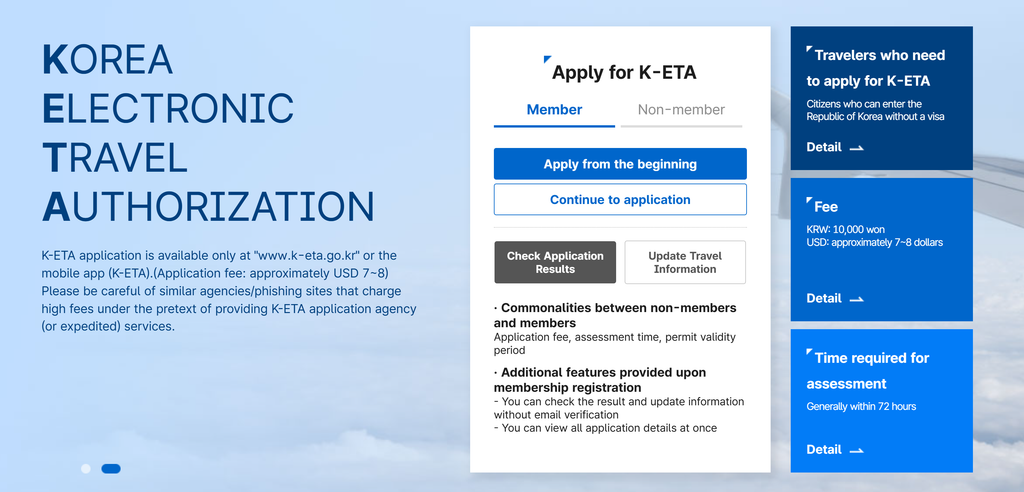
The Korea Visa Portal acts as a digital bridge between applicants and Korean embassies or consulates worldwide. While some travelers may be eligible for visa-free entry or Electronic Travel Authorization (K-ETA), many others—depending on their nationality and purpose of visit—must obtain a formal visa. The portal serves as a comprehensive hub where you can check visa requirements, fill out application forms, track the status of your request, and even print your visa grant notice. Mastering this system can save you significant time, reduce the risk of application errors, and prevent unnecessary trips to a consulate.
Determining Your Visa Category
Before you even log into the portal, you must identify which visa category fits your situation. South Korea classifies visas into various types, each with its own set of eligibility criteria and documentation requirements. Applying for the wrong type of visa is one of the most common reasons for rejection, so take your time to research the specific requirements for your intended stay.
Common Visa Types for International Visitors
- Short Term Visit C 3: This is the most common visa for general tourism, visiting family, or short-term business meetings. It is usually valid for stays of up to 90 days.
- Student Visas D 2 and D 4: These are designed for those planning to pursue a degree at a Korean university or attend a language training program. These require official certificates of admission from the educational institution.
- Work Visas E Series: This category covers a wide range of employment types, including professional teaching roles, corporate placements, and specialized technical work. These visas almost always require a Certificate of Visa Issuance (CCVI) from the employer in Korea.
- Working Holiday Visa H 1: Available to citizens of specific countries that have a reciprocal agreement with South Korea, allowing young people to work and travel for up to one year.
- F Series Visas: These are generally long-term residency visas, often for marriage migrants, permanent residents, or high-skilled professionals.
You can use the Visa Navigator feature on the official portal to answer a series of questions about your nationality, purpose of visit, and intended length of stay. The portal will then suggest the most appropriate visa type for your circumstances. Always double-check this information against the requirements listed on the website of your local Korean consulate, as local policies can sometimes vary based on regional administrative rules.
Preparing for the Online Application Process
Applying online is a structured process that requires preparation. Unlike a simple web form, the visa portal asks for detailed personal information, travel history, and financial documentation. Gather all your materials before you begin the digital entry process to ensure you do not time out during the session.
Essential Documents You Will Likely Need
- A valid passport with at least six months of remaining validity and blank pages for entry stamps.
- Digital copies of your passport-sized photo, ensuring it meets the specific dimension and background requirements set by the Ministry of Justice.
- Proof of financial stability, such as bank statements from the last three to six months.
- An invitation letter if you are visiting a friend or attending a business event.
- Academic transcripts or certificates of enrollment for students.
- Proof of employment or business registration for professionals.
- A detailed travel itinerary if you are applying for a tourist visa.
Ensure that all your digital files are in the correct format, usually JPEG or PDF, and that the file sizes are within the limits specified by the portal. Many applicants fail because their files are either too large or in an unsupported format, so spend time optimizing your documents before starting the application.
Step by Step Navigation of the Visa Portal
Once you have your documents ready, you can begin the actual application. The portal is designed to be user-friendly, but it can be intimidating due to the technical nature of the fields required. Follow these steps to ensure a smooth submission.
Account Creation and Login
While some features on the portal are accessible without an account, creating a personal profile is highly recommended. By registering, you gain the ability to save your progress, track your application status in real-time, and receive notifications if the embassy requires additional documents. Use an email address that you check frequently, as this will be the primary channel for communication regarding your application.
Filling Out the Application Form
The form asks for personal details, passport information, and contact details in Korea. Be extremely careful with spelling; your name must match your passport exactly. Even a minor typo can lead to a rejection or significant delays at the border. If you are applying for a specific category like a student visa, you may be asked to provide the number of your Certificate of Visa Issuance (CCVI). This number is the key that links your online application to the approval granted by the immigration office in Korea.
Paying the Visa Fee
Most visa applications require a processing fee. Depending on your location, you may be able to pay this online through the portal using a credit or debit card. In some regions, the portal may provide you with a payment slip that you must take to a designated bank to pay in person. Always keep your receipt, as you will need it to collect your passport or verify your payment status if any issues arise.
Submitting and Printing the Application
After you have entered all information and uploaded your supporting documents, review every field carefully. Once you hit submit, you generally cannot go back and edit the information. After the submission is successful, the portal will generate an application form with a unique tracking number. Print this document, as you will likely need to present it along with your physical passport when you visit the embassy or consulate for the final processing stage.
Managing Common Misconceptions
There are many myths surrounding the Korean visa process that often lead to unnecessary stress or mistakes. Addressing these misconceptions can help you approach your application with more confidence.
The Myth of Automatic Approval
Many applicants believe that if they meet all the requirements and submit the documents, approval is guaranteed. This is not true. A visa is a privilege, not a right. Consular officers have the discretion to deny a visa if they suspect the applicant intends to stay longer than allowed or if the purpose of the visit is unclear. Always be honest, transparent, and provide more evidence than the bare minimum if you feel your situation is complex.
The Misconception about Processing Times
Applicants often search online for a definitive processing time, such as exactly five business days. In reality, processing times are estimates. Peak travel seasons, national holidays in Korea, and high volumes of applications at specific consulates can significantly extend these periods. It is best to apply at least one month before your intended departure date to allow for any unexpected delays.
The Role of Travel Agencies
Some people believe that using a travel agency makes approval more likely. While agencies can help with the paperwork, they cannot influence the outcome of the visa decision. Consular officers evaluate the applicant, not the agency. If you are comfortable using a computer and following instructions, you are perfectly capable of applying on your own, which also saves you the agency service fees.
Expert Tips for a Successful Application
To maximize your chances of a smooth and successful visa application, consider these expert recommendations derived from years of common applicant experiences.
Consistency is Key
Ensure that the information you provide on your visa application is consistent with any previous travel history or previous visa applications. If you have visited Korea before, make sure your entry and exit dates align with your records. If you have ever been denied a visa or had trouble at a border, be truthful about it. Immigration systems are interconnected, and discrepancies are easily detected.
Focus on Financial Proof
When providing bank statements, ensure they show a steady history. A large, sudden deposit into your account right before applying can sometimes look suspicious to a consular officer, as it may suggest that the money was borrowed just to meet the requirements. A consistent balance over several months is much more convincing than a single large sum.
Provide a Clear Cover Letter
For complex visa types, such as those for freelancers or individuals with unconventional employment situations, a short, professional cover letter can be very helpful. Explain your purpose of visit clearly, state your itinerary, and affirm your intention to return to your home country. This personal touch can provide context that a standard form cannot convey.
Check the Document Expiry
Some documents, such as proof of residency or employment certificates, must be recently issued. If you submit a document that is more than three months old, it may be rejected. Always check the specific validity period required for each document type mentioned on the portal.
Frequently Asked Questions
The following questions address some of the most common concerns raised by applicants using the Korea Visa Portal.
Can I apply for my visa online if I am already in Korea?
The Korea Visa Portal is primarily for those applying from outside the country. If you are already in Korea and need to extend your stay or change your visa status, you must visit your local immigration office in person or use the HiKorea website for specific services. The procedures for those already inside the country are handled differently than those for new applicants.
What should I do if my visa application status shows as Rejected?
If your application is rejected, the portal will usually provide a reason. Common reasons include missing documents, unclear purpose of stay, or insufficient financial proof. You can reapply, but you should wait until you have addressed the reason for the initial rejection. Rushing to reapply without changing anything will almost certainly result in a second rejection.
Is the visa fee refundable if my application is denied?
In almost all cases, the visa processing fee is non-refundable. This fee covers the administrative cost of reviewing your application, regardless of the final decision. This is why it is critical to ensure your application is as complete and accurate as possible before paying the fee.
Do I need to submit my physical passport to the embassy?
Yes, in most cases, you will still need to submit your physical passport to the embassy or consulate. The online portal handles the application and documentation, but the visa sticker or electronic visa record must be linked to your actual passport. The portal will guide you on whether you need to mail it in or bring it in person after your online application is processed.
Cost Effective Strategies
Applying for a visa can be expensive, especially if you are traveling with family or planning a long-term stay. Here are ways to manage costs while using the portal.
- Do it yourself: By avoiding third-party agents and handling the application via the portal, you avoid service fees that can often equal or exceed the cost of the visa itself.
- Avoid rush processing: Some consulates offer expedited services for an extra fee. If you plan your travel well in advance, you can avoid these costs entirely by applying within the standard processing window.
- Use official channels: Only use the official Korea Visa Portal (visa.go.kr). There are many “mirror” or “assistance” sites that look official but charge extra fees for services that are free on the government portal. Always check the URL to ensure it ends in .go.kr.
- Consolidate your documentation: Before scanning, organize your documents to minimize the number of files you need to upload. If you have multiple bank statements, combine them into a single PDF to make the upload process cleaner and less prone to technical errors.
Handling Technical Glitches on the Portal
While the Korea Visa Portal is generally stable, it is a government-run website that may occasionally experience downtime or browser compatibility issues. To minimize technical frustration, follow these tips:
- Browser choice: The portal is most compatible with modern browsers like Chrome, Edge, or Firefox. If you encounter a page that will not load or a button that does not respond, try clearing your browser cache or switching to a different browser.
- Time limits: The session may time out if you leave the page open for too long without activity. Keep your documents ready so you can input information quickly.
- Download the manual: The portal often provides a user manual or a guide in PDF format. Download this before starting. It contains screenshots and specific instructions for every field on the form, which can be invaluable if you get stuck.
- Contact the help desk: If you experience a persistent error, do not keep trying to submit the same application. This can sometimes flag your IP address. Instead, use the contact information provided on the portal to reach out to the technical support team. They are often more helpful than you might expect.
The Importance of Staying Updated
Visa policies are subject to change based on diplomatic relations, public health situations, and national security requirements. For example, during the COVID-19 pandemic, entry requirements changed frequently. Even now, the government may update its visa waiver programs or tighten requirements for specific nationalities based on global travel trends.
Before you begin your application, spend a few minutes on the “Notice” section of the Visa Portal. This is where the Ministry of Justice posts updates about new document requirements, changes in fee structures, or temporary suspensions of certain visa types. Checking this page once before you start your application can prevent you from using outdated information that might have been correct just a few months ago.
Furthermore, if you are a student or a worker, stay in touch with your host institution or employer in Korea. They are often the first to know if there are changes to the visa application process that affect their specific category of applicants. They may be able to provide you with updated guidance or internal forms that you need to include in your portal submission.
Final Considerations for Your Journey
Applying for a visa via the Korean Visa Portal is a structured, logical process that rewards those who are patient and organized. By treating your application with the seriousness it deserves, you are setting the foundation for a successful trip. Remember that the portal is not just a barrier to entry; it is a system designed to ensure that your visit to Korea is safe and legally compliant.
Once your visa is granted, keep a digital copy of your visa grant notice on your phone and a printed copy in your passport holder. While modern immigration systems are digitized, having physical proof of your entry permit can be helpful during transit or if you encounter any questions from airline staff or border officials. By preparing thoroughly, following the portal guidelines, and maintaining a professional approach, you ensure that your focus remains on the excitement of your upcoming Korean experience rather than the stress of administrative tasks.
Whether you are going to Korea for a week of sightseeing, a semester of university study, or a new career opportunity, the work you put into your visa application is the first step of your journey. Use the resources provided on the official portal, be diligent with your documentation, and you will find that the process is a manageable and rewarding part of your travel planning.
Master






댓글 0
첫 댓글을 남겨보세요.