
Take photos in hanbok at Gyeongbokgung Palace in Seoul and go on a tour of Korean history
A Journey Through Time at Gyeongbokgung Palace
Visiting Seoul is an experience that balances the hyper-modernity of a global metropolis with the deep, resonant echoes of the Joseon Dynasty. Among the many ways to immerse oneself in this duality, few activities are as popular or as visually rewarding as renting a traditional Korean Hanbok to explore Gyeongbokgung Palace. This practice has evolved from a simple tourist novelty into a cultural phenomenon that bridges the gap between past and present. When you walk through the massive stone gates of the palace wearing the flowing, vibrant silks of a historical garment, you are not merely taking photos; you are actively participating in the preservation and celebration of Korean heritage.
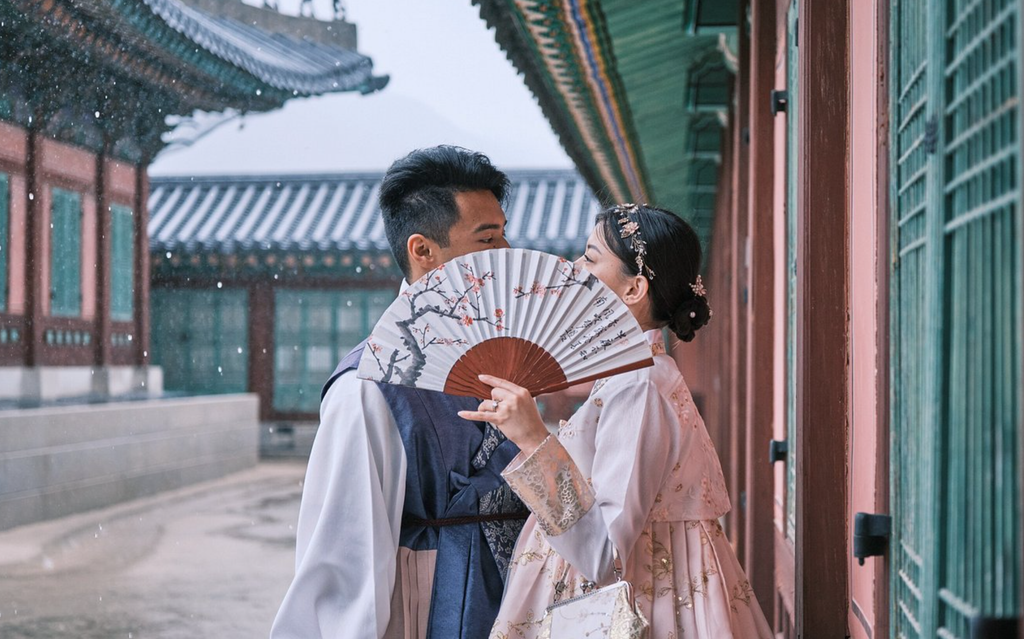
Gyeongbokgung Palace, the largest of the Five Grand Palaces built during the Joseon Dynasty, serves as the perfect backdrop for this experience. Its architectural grandeur, characterized by intricate woodwork, brightly painted dancheong patterns, and expansive courtyards, provides an authentic stage that feels untouched by the surrounding skyscrapers of central Seoul. Combining this with a guided historical tour transforms a standard sightseeing trip into an educational and aesthetic journey. This review explores the nuances of this experience, examining the logistics, the cultural significance, and the practical realities of spending a day dressed in the attire of the past.
The Cultural Significance of Hanbok
The Hanbok is far more than just clothing; it is a manifestation of Korean philosophy, aesthetics, and social history. Historically, the design of the Hanbok was intended to provide comfort and freedom of movement while reflecting the wearer’s status and the occasion. The lines are elegant and flowing, emphasizing a silhouette that moves with the wearer rather than constricting them. Today, the Hanbok worn by tourists at Gyeongbokgung is often a modernized version of the traditional style, featuring bolder colors and more durable fabrics to accommodate the rigors of a full day of walking and photography.
When you wear a Hanbok, you are encouraged to move with a different grace. The weight of the skirt or the structure of the jacket naturally influences your posture. Many tourists find that once they put on the garments, they begin to walk more slowly and observe the palace grounds with a heightened sense of reverence. This psychological shift is a critical component of the experience. It allows you to step out of the frantic pace of modern travel and into a slower, more deliberate rhythm that aligns with the history embedded in the palace walls.
Choosing the Right Hanbok Rental Experience
The area surrounding Gyeongbokgung, particularly the neighborhoods of Bukchon Hanok Village and Seochon, is saturated with rental shops. Navigating these options can be overwhelming for first-time visitors. The quality of the experience often hinges on the rental shop you choose. Some shops prioritize high-volume, low-cost rentals with synthetic materials, while others focus on premium, handcrafted garments that offer a more authentic look and feel.
When selecting a shop, consider the following factors:
- Fabric quality and variety: Look for shops that offer a wide range of colors and patterns, including both traditional and modern interpretations.
- Hair styling services: Many shops include basic hair styling as part of the rental package. This is essential for achieving the complete look, as traditional accessories like the daenggi ribbon or binyeo hairpins significantly elevate the aesthetic.
- Proximity to the palace: While many shops are within walking distance, choosing one that is closer to the entrance saves time and energy, especially during the hot summer months or the cold winter season.
- Guided photography options: Some rental shops offer professional photography services, which can be an excellent way to ensure you have high-quality memories of your day.
The Practicalities of the Palace Tour
While wandering the palace grounds on your own is enjoyable, pairing your Hanbok experience with a guided historical tour adds a layer of depth that is often missed by casual observers. Gyeongbokgung is a vast complex, and without context, it is easy to see it only as a collection of beautiful buildings. A professional guide provides the narrative framework necessary to understand the lives of the kings, queens, and court officials who once walked these paths.
A good tour will cover the significance of the various gates, the purpose of the throne hall, and the architectural nuances that served to protect the monarch. You will learn about the political intrigues of the Joseon era, the devastation caused by various invasions, and the ongoing restoration efforts. When you combine this narrative with the experience of wearing a Hanbok, the history feels personal. You are standing in the same spots where historical figures once stood, looking out over the same courtyards, and feeling the same seasonal breezes.
Pros and Cons of the Experience
The Advantages
- Cultural Immersion: There is no better way to feel connected to Korean history than by donning the traditional attire and walking through the royal palace. It turns a passive observation into an active experience.
- Photographic Opportunities: The contrast between the vibrant colors of the Hanbok and the muted, earthy tones of the palace architecture creates stunning visuals. It is a photographer’s dream, whether you are using a professional camera or a smartphone.
- Free Admission: One of the most practical benefits is that visitors wearing a Hanbok are granted free admission to Gyeongbokgung Palace. This encourages the practice and makes the rental cost feel like an investment in the entire day’s itinerary.
- Social Connection: It is common for other tourists and even local Koreans to compliment your outfit. It serves as a great icebreaker and can lead to interesting interactions with fellow travelers.
The Challenges
- Physical Comfort: Wearing a Hanbok, especially in the height of summer or the depths of winter, can be challenging. The layers can be heavy, and the materials are not always breathable. Planning your visit for the spring or autumn is highly recommended for maximum comfort.
- Walking Intensity: Gyeongbokgung is large and requires a significant amount of walking on uneven stone paths. Hanbok shoes, which are often thin and flat, may not provide the support needed for long-distance walking. It is wise to wear comfortable socks or consider discreetly wearing sneakers beneath your long skirt.
- Crowds: Because this activity is so popular, the most photogenic spots in the palace can become very crowded. You may find yourself waiting in line for a photo or struggling to find a clear shot without other tourists in the frame.
- Time Constraints: Most rentals are based on a set number of hours. If you want to explore the palace, take photos, and perhaps visit the nearby Bukchon Hanok Village, you may find that time passes much faster than you expected.
Performance and Usage Analysis
When analyzing the performance of this service, we must look at how well it facilitates the user’s goals. For most, the goal is twofold: to capture beautiful imagery and to experience a piece of Korean culture. In terms of image capture, the service performs exceptionally well. The abundance of rental shops ensures that there is a Hanbok for every aesthetic preference, from minimalist and elegant to ornate and royal. The palace grounds are well-maintained and offer a variety of lighting conditions throughout the day, allowing for diverse photographic styles.
However, the performance of the historical tour component is more variable. It depends heavily on the quality of the guide and the size of the group. A private tour or a small group tour is significantly better than a large, impersonal bus tour. When the group is small, the guide can answer specific questions and tailor the narrative to the interests of the participants. This creates a much more intimate connection with the history of the palace.
For the average user, the process is streamlined. You arrive, choose your outfit, get dressed with the help of professional staff, and head to the palace. The barrier to entry is extremely low, making this accessible for families, couples, and solo travelers alike. The logistical ease is a major selling point. You do not need to be a history buff or a professional model to have a successful and enjoyable day.
Comparison with Other Cultural Experiences
How does this experience stack up against other popular activities in Seoul, such as visiting N Seoul Tower or exploring the modern shopping districts of Myeong-dong? The Hanbok experience is fundamentally different because it is participatory rather than observational. While N Seoul Tower offers a panoramic view, it is a static experience. Walking through Gyeongbokgung in a Hanbok is a dynamic, multi-sensory experience.
When compared to visiting other palaces in Seoul, such as Changdeokgung or Deoksugung, Gyeongbokgung stands out due to its scale and the frequency of the Changing of the Guard ceremony. The Changing of the Guard is a spectacular event that provides a perfect photo opportunity for those in Hanbok, as it feels as though you are witnessing a scene from the past. While Changdeokgung is often cited for its beautiful Secret Garden, Gyeongbokgung offers the most iconic “palace” experience, making it the superior choice for those who want that quintessential Korean photo.
Another comparison can be drawn with modern fashion-focused tours. Some tours focus on the trendy aesthetic of K-pop or K-drama locations. While these are fun, they lack the historical weight of the Gyeongbokgung experience. If you are looking for a trip that balances entertainment with genuine cultural education, the Hanbok palace tour is arguably the best value proposition in the city.
Tips for Maximizing Your Experience
To truly get the most out of your visit, timing is everything. Arriving early in the morning, right when the palace gates open, allows you to capture photos in the main courtyards before the massive tour groups arrive. This is the difference between a serene, majestic photo and one filled with dozens of other people in the background.
Consider the season when planning your visit. Spring offers the beauty of cherry blossoms, while autumn provides a stunning backdrop of golden ginkgo and red maple leaves. Both seasons are visually spectacular and offer the most comfortable temperatures for wearing traditional clothing. If you visit in winter, ensure that your rental shop provides thermal undergarments or allows you to wear a coat over your Hanbok, as the palace grounds are notoriously windy and cold.
Another tip is to pay attention to the details of your outfit. A well-tied ribbon (otgoreum) and a properly fitted jacket make a world of difference in your photos. Don’t be afraid to ask the rental shop staff for help; they are experts and want you to look your best. If you have the time, combine your palace visit with a walk through the nearby Samcheong-dong area. The blend of traditional Hanok houses and modern art galleries in this neighborhood is the perfect way to cap off a day spent in historical attire.
The Role of Technology in the Modern Experience
It is worth noting how technology has changed the way we interact with this historical site. The rise of social media has turned the Hanbok rental experience into a digital-first activity. People are not just wearing the clothes; they are curating a narrative for their followers. This has led to a standard of quality in rental shops that might not have existed twenty years ago. The garments have become more vibrant, the accessories more diverse, and the staff more adept at helping guests pose in ways that highlight the beauty of the clothing.
While some purists might argue that this detracts from the solemnity of the palace, it is important to recognize that this trend has also led to increased interest in Korean history. Young people, both local and international, are engaging with their heritage in a way that feels relevant to their lives. By documenting their experience, they are creating a digital archive of cultural appreciation. The palace itself has also adapted, with better signage and more interactive exhibitions, acknowledging that the modern visitor expects a blend of education and engagement.
Understanding the Architecture Through the Lens
When you are wearing a Hanbok, you begin to see the architecture of Gyeongbokgung differently. You notice the way the eaves of the roofs curve toward the sky, a design element that complements the flowing lines of the Hanbok skirt. You notice the intricate patterns of the dancheong, which mirror the embroidery often found on high-end rental garments. The palace was designed with a specific philosophy of harmony between nature and humanity, and when you are dressed in traditional clothing, that harmony feels more tangible.
The Geunjeongjeon, the main throne hall, is the epicenter of this experience. Standing on the stone terrace looking up at the massive wooden structure, you get a sense of the immense power that was once concentrated here. When you are in a Hanbok, the scale of the building feels more balanced. You are no longer an outsider looking at a museum piece; you are a person inhabiting a space designed for human ceremony. This shift in perspective is the true value of the experience.
Navigating the Crowd and Finding Solitude
Even on busy days, it is possible to find moments of quiet in Gyeongbokgung. The palace complex is vast, and many tourists tend to cluster around the main entry gates and the throne hall. If you venture toward the edges of the palace, near the Hyangwonjeong Pavilion or the National Folk Museum area, you will find much more space to breathe and take photos. These areas are often more scenic and offer a more contemplative atmosphere.
If you are serious about photography, consider hiring a local photographer who specializes in palace shoots. They know the hidden corners of the palace that are not usually crowded. They also understand the lighting throughout the day, ensuring that you get the best possible results. While this is an additional expense, it is often worth it for the quality of the output, especially if you are visiting for a special occasion like an anniversary or a milestone trip.
Final Thoughts on the Cultural Journey
The experience of renting a Hanbok and touring Gyeongbokgung is a testament to the power of experiential travel. It is a reminder that history is not just something to be read in books or viewed from behind a velvet rope. It is something that can be touched, worn, and lived. By engaging with the palace in this way, you are contributing to a living tradition that keeps the stories of the Joseon Dynasty relevant in the 21st century.
Whether you are a history enthusiast, a lover of traditional aesthetics, or simply someone looking for a unique way to spend a day in Seoul, this activity offers a rare blend of fun and profound cultural connection. It challenges you to slow down, to appreciate the craftsmanship of the past, and to see the modern city of Seoul through a different lens. It is an experience that lingers long after you have returned your rented garments, leaving you with memories that are as vibrant and enduring as the silks you wore.
As you plan your trip to Seoul, prioritize this experience. Allow yourself the time to explore, the patience to deal with the crowds, and the openness to fully embrace the atmosphere of the royal court. You will find that Gyeongbokgung is not just a destination on a map, but a gateway to a deeper understanding of the Korean spirit. It is a place where every stone and every beam has a story to tell, and by walking through it in the traditional attire of its former inhabitants, you become a part of that story yourself.
The beauty of this experience lies in its accessibility. You do not need deep pockets or extensive knowledge of Korean history to enjoy it. You only need a sense of curiosity and a willingness to participate in a tradition that celebrates the elegance of the past. As you walk through the palace gates, with the sound of your footsteps on the gravel and the wind catching the fabric of your Hanbok, you will understand why this activity has captured the hearts of so many travelers. It is a rare opportunity to step out of your own life and into the shoes—or rather, the silk slippers—of another time.
The combination of the visual splendor of the Hanbok, the architectural majesty of the palace, and the rich historical context provided by a good guide creates an experience that is greater than the sum of its parts. It is a holistic engagement with a culture that values beauty, order, and historical continuity. By choosing to take part in this, you are not just checking a box on a travel itinerary; you are participating in a cultural dialogue that spans centuries. And that, in itself, is the true reward of travel.
[Sources]https://www.viator.com/
Master




댓글 0
첫 댓글을 남겨보세요.