
About 1.92 million people attended BTS’s North American performances of their world tour ‘ARIRANG.’
The Phenomenon of the Arirang World Tour
The global music landscape has witnessed many seismic shifts over the decades, but perhaps none as culturally significant or statistically staggering as the rise of BTS. When reports surfaced detailing that approximately 1.92 million people attended the North American leg of their Arirang world tour, it sent shockwaves through the industry. This figure is not merely a statistic; it represents a profound mobilization of a global fandom, a testament to the logistical capabilities of modern concert production, and a definitive marker of the group’s transition from international sensations to a cultural monolith. To understand the weight of these 1.92 million attendees, one must look beyond the raw numbers and examine the ecosystem that makes such a feat possible.
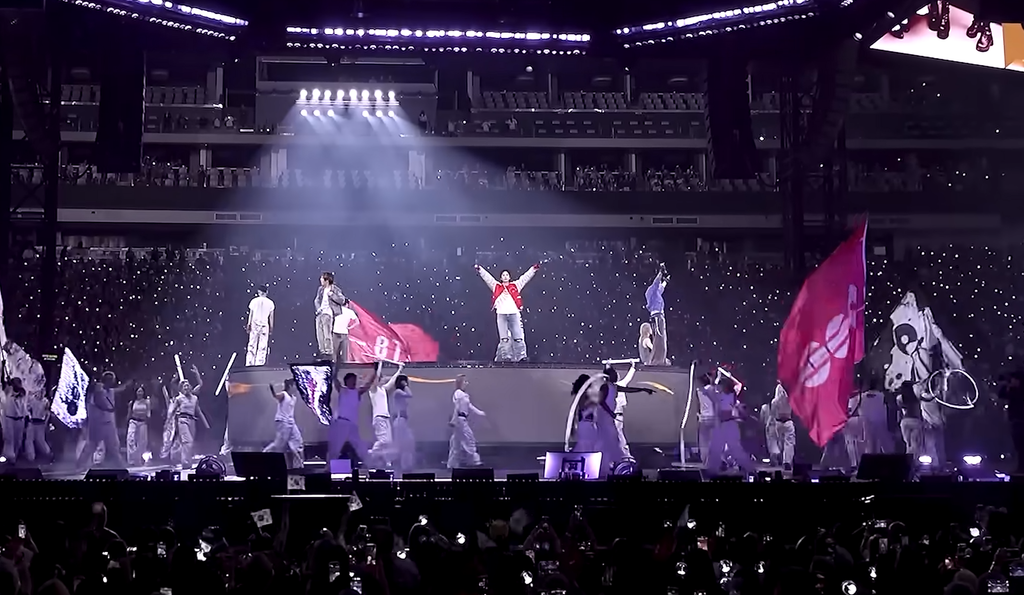
The Arirang tour was designed with a specific vision in mind: to bridge the gap between traditional Korean aesthetics and the high-octane production values expected of modern stadium pop. By choosing a title that evokes the deep-seated emotional resonance of Korea’s most famous folk song, the group signaled an intent to bring their heritage to the global stage while simultaneously pushing the boundaries of what a live performance could achieve. The North American leg, spanning major metropolitan hubs from Los Angeles to New York, served as the primary engine for this tour’s success. With millions of tickets moved, the tour redefined the economic potential of touring artists in the post-pandemic era, setting benchmarks that many industry analysts now use to measure the viability of large-scale musical events.
Production Scale and Technical Execution
A tour of this magnitude requires more than just musical talent; it demands a flawlessly executed technical infrastructure. The Arirang world tour was characterized by its ambitious stage design and the seamless integration of technology. Every performance was a meticulously choreographed experience where the stage acted as a dynamic participant rather than a static backdrop. From the hydraulic lifts that propelled members into the air to the intricate mapping of LED screens that displayed custom visual art, the production team ensured that even the fans seated in the highest tiers of massive stadiums felt a sense of intimacy and connection.
One of the most impressive technical features was the synchronization of the fan light sticks, known as ARMY Bombs. Through Bluetooth connectivity, the central control system could manipulate the color and pattern of nearly two million individual light sticks across the tour. This created a visual tapestry that moved in harmony with the music, effectively turning the entire stadium into a living, breathing extension of the performers. This level of interaction is a core function of the BTS live experience, transforming spectators from passive observers into active contributors to the show’s aesthetic. The sheer complexity of maintaining this network across dozens of stadiums, each with different structural limitations and acoustic properties, speaks to the high level of engineering involved in the Arirang tour.
The Fan Experience and Community Mobilization
The success of the Arirang tour is inextricably linked to the unique relationship BTS maintains with its audience. Unlike traditional fanbases, the community surrounding this group operates with a level of organization and passion that borders on grassroots activism. The 1.92 million attendees were not just concert-goers; they were participants in a global phenomenon. For many, the concert was the culmination of months or even years of anticipation. The usage experience for the fans began long before the actual show, starting with the digital ticketing queues, the pre-show gatherings in stadium parking lots, and the shared digital spaces where fans coordinated everything from fan chants to charity initiatives.
Inside the venue, the atmosphere was described by many as transformative. The performance analysis of the Arirang tour suggests that the group mastered the art of pacing. By alternating between high-energy dance tracks and stripped-back acoustic ballads, they were able to maintain a high level of engagement throughout the multi-hour set. The use of elaborate VCRs, or video interludes, provided the necessary transitions for costume changes and stage resets, while simultaneously deepening the narrative arc of the concert. Fans often noted that the energy levels did not dip, despite the grueling nature of such a large-scale tour, a testament to the physical conditioning of the performers and the well-oiled machine behind the stage management.
Advantages of the Arirang Tour Model
When evaluating the Arirang tour, the advantages are clear, both for the organizers and the fans. The primary benefit was the creation of a standardized, high-quality experience that remained consistent regardless of the geography. Whether a fan attended the show in Chicago or Toronto, they were treated to the same level of production excellence. This consistency builds immense trust and loyalty, which is a significant factor in why the tour was able to sustain such high attendance numbers over a prolonged period.
- Community Engagement: The tour fostered a sense of belonging among fans, creating an environment where individual experiences were amplified by the collective energy of the crowd.
- Economic Impact: The tour generated significant revenue for local economies, from hospitality to transportation, proving that large-scale musical events are vital economic drivers.
- Cultural Exchange: By incorporating themes and musical motifs from Korean culture, the tour acted as a soft-power vehicle, broadening the global appreciation for Korean artistry.
- Unparalleled Production Quality: The integration of state-of-the-art visual effects and sound engineering ensured that the performance was world-class.
Challenges and Areas for Improvement
Despite the overwhelming success, no tour of this scale is without its drawbacks. The sheer volume of 1.92 million attendees created logistical hurdles that were occasionally difficult to navigate. Ticket accessibility remained the most significant point of contention. The demand for tickets far outstripped the supply, leading to inflated prices on secondary markets and leaving many long-time fans unable to secure a seat. This accessibility issue is a common pain point in the industry, but it remains a significant disadvantage of the current touring model employed by global superstars.
Another challenge involved the physical strain on the artists and the crew. Maintaining a consistent level of performance over a massive tour is physically demanding, and there were instances where the schedule felt overly aggressive. While the fans appreciated the frequency of the shows, the burnout factor for the performers is a genuine concern that the industry must address. Furthermore, the environmental impact of such a massive tour is substantial. From international travel for the production crew to the physical waste generated at stadium venues, the environmental footprint is a factor that future tours will need to mitigate through more sustainable practices.
Comparison with Industry Standards
To put the Arirang tour into context, it is helpful to compare it with other major world tours in the contemporary music landscape. Historically, tours by artists such as Taylor Swift or Coldplay have set the gold standard for stadium-filling capacity and production value. When measured against these peers, the BTS Arirang tour holds its own, and in some areas, surpasses them. While many Western artists rely on a legacy of radio dominance, BTS utilized a digital-first approach to build their audience, which allowed them to sell out stadiums in markets where they had minimal traditional radio play.
In terms of production, the Arirang tour leaned more heavily into narrative-driven performance than many of its contemporaries. While some tours focus on a straightforward delivery of hits, the Arirang tour felt like a theatrical production. The attention to detail in costume design, the choreography, and the thematic continuity made it feel more akin to a Broadway production than a standard pop concert. This distinguishes it from the more spontaneous or improvisation-heavy tours of rock bands, positioning BTS in a category of their own where the performance is a polished, precise, and highly curated artifact of pop culture.
The Evolution of Live Music and Digital Integration
The Arirang tour was a turning point for how digital integration is perceived in live music. For years, there has been a debate about whether technology enhances or detracts from the raw, human element of a live performance. The Arirang tour effectively silenced that debate by showing that technology, when used with intent, can actually heighten the emotional connection between the stage and the audience. The use of augmented reality elements, which were occasionally projected onto the massive screens, allowed fans to see nuances of the performance that would otherwise be lost in the vast expanse of a stadium.
This integration also extended to the post-concert experience. The sheer volume of user-generated content, from high-quality fan cams to detailed social media threads analyzing the symbolism of the stage sets, meant that the tour had a secondary life online. This digital afterlife served to amplify the success of the tour, keeping the conversation alive and building momentum for future projects. It created a feedback loop where the live performance fueled the digital community, and the digital community in turn drove attendance for the live performances, a model that is now being studied by music business scholars as the blueprint for modern artist development.
Logistical Triumphs in North American Stadiums
Managing the flow of 1.92 million people across various North American stadiums is a feat of logistical engineering that deserves closer inspection. These venues, ranging from historic stadiums to modern, multi-purpose arenas, presented unique challenges. The tour had to adapt to different sightlines, acoustic environments, and security protocols. The decision to employ a modular stage design allowed the production team to replicate the core experience regardless of the venue’s shape or size. This adaptability was key to maintaining the high standard of the show.
Furthermore, the coordination between local venue staff and the touring crew was exemplary. Security teams were trained to handle the specific demographics and behaviors of the BTS fandom, which often included managing large crowds of fans arriving hours before the gates opened. The implementation of digital queuing systems and mobile ticketing minimized the chaos typically associated with entry, allowing for a more orderly process. These logistical choices, while invisible to the average fan, were fundamental to the tour’s safety and success, proving that the production team prioritized the attendee experience as much as the musical output.
The Role of Cultural Narrative in Performance
What set the Arirang tour apart from other global stadium tours was its unapologetic embrace of cultural identity. By weaving the motifs of Korean history and aesthetics into a modern pop context, the tour did more than just provide entertainment; it provided education. For many attendees, this was their first exposure to the nuances of Korean traditional arts, albeit in a contemporary, stylized form. This cultural narrative was not just a theme; it was the foundation upon which the entire tour was built.
The title of the tour itself served as a bridge. Arirang, being a song that carries deep emotional weight for Koreans, provided a sense of continuity between the past and the present. By incorporating these elements, the group was able to create a performance that felt deeply personal and authentic, even when performed in massive, impersonal stadiums. This authenticity is likely why the tour resonated so strongly with such a diverse audience. It proved that in an increasingly globalized world, audiences are hungry for art that is rooted in specific cultural experiences, provided it is presented with a universal appeal.
The Future of Large Scale Touring
The success of the Arirang tour has undoubtedly set a new standard for what is expected from world tours. It has raised the bar for production values, fan interaction, and the integration of technology. Other artists and management teams are now looking at the 1.92 million attendance figure and asking how they can replicate this level of engagement. However, the lesson of the Arirang tour is not just about the scale; it is about the depth of the relationship between the artist and the audience.
Moving forward, we can expect to see more tours that prioritize this kind of immersive, narrative-driven experience. The era of the simple “singer on a stage” concert is fading, replaced by the era of the “experience-driven” concert. As technology continues to evolve, we will likely see even more sophisticated integration of virtual reality, augmented reality, and personalized interactive elements. The Arirang tour has provided a glimpse into this future, showing that when a performance is built on a foundation of genuine connection and artistic integrity, the audience will follow, regardless of the scale.
The legacy of the Arirang tour will be felt for years to come. It redefined the possibilities of live music in North America and solidified the status of BTS as one of the most significant musical acts of the 21st century. As the industry looks toward the next generation of tours, the benchmarks set by the Arirang tour will serve as both a goal and a challenge, pushing artists to dream bigger and connect deeper with their fans. The 1.92 million people who attended were part of a history-making moment, and their collective experience has permanently altered the landscape of the global concert industry.
Analyzing the Economic and Cultural Impact
Beyond the music and the spectacle, the economic impact of the Arirang tour on the North American market was profound. Cities that hosted these performances saw a surge in local revenue, as fans traveled from across the country—and often from abroad—to attend the shows. This “tourist effect” was a significant boon for local businesses, including hotels, restaurants, and retail stores, many of which saw record-breaking weekends during the tour dates. This economic ripple effect is a powerful argument for the importance of supporting large-scale cultural events, as they provide a tangible boost to local economies.
Culturally, the tour served as a catalyst for a broader interest in Korean language, food, and traditions. The “Arirang” concept, in particular, sparked curiosity, leading many fans to explore the origins of the music and the history of the Korean peninsula. This cultural exchange is perhaps the most enduring legacy of the tour. It demonstrated that music has the power to transcend borders and foster understanding, turning the concert stage into a classroom for global citizenship. The success of the tour proved that global audiences are not only receptive to diverse cultural content but are actively seeking it out, provided it is delivered with excellence and passion.
Reflections on the Artistic Direction
The artistic direction of the Arirang tour was a masterclass in balance. It managed to be both grand and intimate, loud and quiet, fast and slow. The setlist was carefully curated to tell a story, with each song serving as a chapter in the larger narrative. This approach to concert design is often overlooked in favor of simply playing the greatest hits, but the Arirang tour showed that a well-structured setlist can elevate a performance from a show to a journey. The artists’ ability to convey emotion through their performance, even in the cavernous environment of a stadium, was a testament to their skill as performers.
Their commitment to the craft was evident in every aspect of the show, from the vocal delivery to the intricate choreography. The dancers, the band, and the technical crew all operated as a cohesive unit, ensuring that the vision of the tour was realized in every detail. This level of dedication is rare and is a significant factor in the sustained popularity of the group. It is clear that the Arirang tour was not just a job for them, but a passion project that they poured their hearts and souls into, and that sincerity was felt by every one of the 1.92 million people in attendance.
The Human Connection in a Digital Age
In an age where digital interaction is often criticized for being shallow, the Arirang tour stood as a powerful counter-narrative. It used digital tools to facilitate a deeply human experience. The connection between the fans and the performers was palpable, and the tour acted as a physical manifestation of the digital bonds that had been formed online. This convergence of the digital and physical worlds is a hallmark of the modern concert experience, and the Arirang tour executed it with remarkable precision.
The communal singing, the shared excitement, and the collective emotional response of the crowd created an atmosphere that cannot be replicated by any digital medium. It reminded us that despite the convenience of streaming and the accessibility of online content, there is no substitute for the experience of being in a room—or a stadium—with thousands of people who share the same passion. The Arirang tour was a celebration of this human connection, a reminder that music has the power to bring us together, even in an increasingly fragmented world. It was a testament to the enduring power of live performance and a promise that, as long as there are artists who care as deeply as BTS, the concert experience will continue to thrive.
Final Thoughts on the Scale of Success
The figures associated with the Arirang tour are staggering, but they are only one part of the story. The true measure of the tour’s success lies in the impact it had on the people who attended, the industry that hosted it, and the culture that it influenced. It was a monumental undertaking that required courage, vision, and an unwavering commitment to quality. The 1.92 million people who attended were part of something truly special, a moment in time that will be remembered as a high-water mark for live music in North America.
As we look back on the Arirang tour, we see more than just a successful series of concerts. We see a blueprint for the future of entertainment, a guide for how to connect with a global audience, and a testament to the power of art to unite us. It was a tour that dared to dream big and succeeded in ways that few could have imagined. Whether it was the technical brilliance, the cultural significance, or the sheer, undeniable passion of the performers and their fans, the Arirang tour was a triumph in every sense of the word. It has left an indelible mark on the music world, and its influence will continue to be felt for years to come.
Master





댓글 0
첫 댓글을 남겨보세요.