
The Complete Guide to Korean Investment Immigration – From Eligibility Requirements to Procedures
Understanding the Korean Investment Immigration Landscape
South Korea has emerged as a premier destination for global investors seeking stability, advanced infrastructure, and a high quality of life. The Korean government, through the Ministry of Justice, has curated several investment immigration pathways designed to attract foreign capital while offering permanent residency and potential citizenship opportunities to those who contribute to the nation’s economic growth. Navigating this process requires a clear understanding of the regulatory environment, financial commitments, and the long-term implications of becoming a resident in one of Asia’s most dynamic economies.
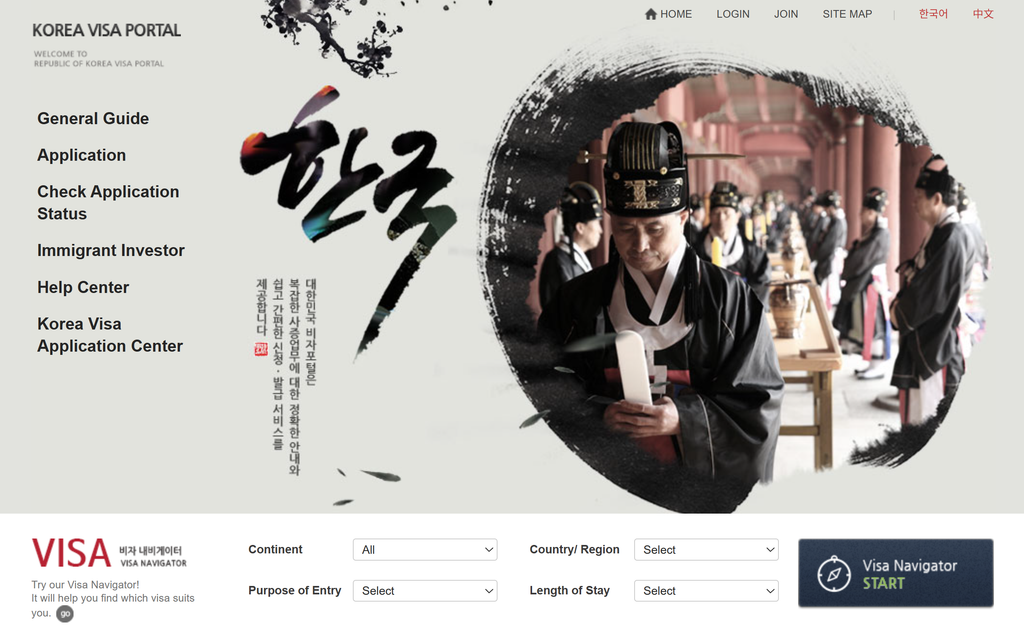
Investment immigration in Korea is not merely about depositing funds; it is a strategic integration into the Korean society. Whether you are an entrepreneur looking to tap into the regional market, a retiree seeking a safe environment, or a family planning for a global future, Korea offers a structured system that rewards commitment. The most common pathway is the Investor Residency Program, which allows individuals to secure an F-2 visa, eventually leading to an F-5 permanent residency visa, provided they meet specific financial thresholds and maintain their investment over a set period.
Types of Investment Immigration Programs
The Korean immigration system categorizes investment into distinct types based on the nature and location of the capital. Each category has its own set of requirements, risks, and benefits.
Public Business Immigration System
This program is designed for individuals who wish to invest in government-designated projects. It is often the most straightforward route because the investment is managed by government-backed entities. The primary goal here is to support regional development or specific government initiatives. Investors place a certain amount of capital into a government fund, which is then used to finance public sector growth. The primary advantage is the low risk associated with the investment, as it is often backed by the state, and the lack of a need to manage an active business.
Real Estate Investment Immigration System
This is perhaps the most well-known category among international investors. It involves purchasing real estate in specifically designated tourism regions such as Jeju Island, Pyeongchang, or specific coastal areas. The government grants residency to foreigners who invest a minimum amount in these approved tourism-related properties. This program is ideal for those who want to own physical assets in Korea and enjoy the benefits of a secondary home while securing a legal path to residency.
Technology Based Startup Investment
For entrepreneurs and those with technical expertise, the Startup Investment program offers a pathway that focuses on innovation. This is for individuals who bring advanced technology or innovative business models to Korea. This category is highly selective and requires the applicant to prove that their venture will contribute significantly to the Korean economy. It often involves working with local incubators or government-approved venture capital firms.
Corporate Investment and Business Setup
This is for individuals who wish to establish and operate their own business in Korea. This requires a significant capital investment, a detailed business plan, and the creation of jobs for local residents. Unlike the passive investment models, this requires active management and a deep understanding of the Korean market, labor laws, and corporate regulations.
Eligibility Requirements and Financial Thresholds
Eligibility is the most critical hurdle for any prospective immigrant. While the specific numbers change periodically based on government updates, there are foundational rules that remain consistent across most investment categories.
- Clear Criminal Record: Applicants must provide a background check from their home country and any country where they have resided for a significant period.
- Financial Proof: You must demonstrate that your funds were earned legally. This involves providing tax returns, bank statements, and documentation of the source of wealth.
- Language and Cultural Integration: While not always mandatory for the initial investment visa, showing an interest in or a basic level of proficiency in the Korean language can significantly improve your chances of success during the permanent residency application phase.
- Minimum Capital Requirements: These vary significantly. For instance, real estate investment might require a minimum of 500 million to 1 billion KRW, depending on the region and the specific project. Public business investments often have their own tiered systems based on the age of the applicant and the amount deposited.
Step by Step Application Procedure
The process of obtaining an investment visa in Korea is rigorous and requires meticulous documentation. It is not a process that should be rushed.
- Consultation and Planning: Before moving any funds, consult with a Korean immigration attorney. They can help you determine which category matches your financial goals and personal background.
- Source of Funds Verification: Prepare all documents showing that your investment capital is legitimate. This is the most common reason for application rejection.
- Property or Fund Selection: If you are choosing the real estate route, visit the sites personally. Never rely solely on brochures. For public funds, ensure you have the official documentation from the relevant government office.
- Submission of Application: Applications are submitted to the local Immigration Office in the jurisdiction where you intend to reside or where your investment is located.
- Review and Interview: The Ministry of Justice will review your documents. You may be asked to attend an interview to explain your investment intent and your plan for living in Korea.
- Visa Issuance: Once approved, you are granted the F-2 visa. This visa is typically valid for three years and is renewable, provided you maintain your investment.
- Transition to Permanent Residency: After the required number of years (usually five) and meeting criteria such as continuous residence and language proficiency, you can apply for the F-5 permanent residency visa.
Common Misconceptions and Facts
There is a lot of misinformation regarding Korean immigration. Clearing these up early can save you time and money.
Myth: Buying any property in Korea grants you a visa
Fact: Only properties in government-designated “Real Estate Investment Immigration Zones” qualify. Buying an apartment in Seoul, for example, does not grant you an investment visa.
Myth: You can withdraw your money as soon as you get the visa
Fact: The investment must be maintained for the entire duration of your residency. If you liquidate your investment, your visa status will be revoked, and you will be required to leave the country or change your visa type.
Myth: Investment immigration is a fast track to citizenship
Fact: While it is a path, it is not “fast.” The process of moving from an investment visa to permanent residency and finally to naturalization (citizenship) takes several years of dedicated residency and requires passing cultural and language examinations.
Practical Tips for Successful Integration
Securing the visa is just the beginning. Living in Korea as an investor requires a shift in mindset. Here are some practical tips to make the transition smoother.
- Understand the Local Business Culture: Korean business culture is heavily reliant on relationships. Invest time in networking and understanding the “ppalli-ppalli” (hurry-hurry) culture of efficiency, while respecting the hierarchical structure of meetings and negotiations.
- Professional Networking: Join local chambers of commerce or international business associations in Korea. These organizations are invaluable for understanding market trends and finding reliable local partners.
- Engage Local Legal and Tax Experts: Korea has a complex tax system. What is standard in your home country may not apply here. Hire a local accountant who specializes in international tax law to ensure you are compliant with both Korean and home-country tax obligations.
- Housing and Lifestyle: If you are moving to a place like Jeju for investment purposes, consider the lifestyle difference between a rural or tourist-heavy area and a major metropolitan hub like Seoul or Busan. Ensure your family is prepared for the transition, as their comfort is key to your long-term success.
- Language is an Asset: Even if you operate in English, learning Korean will open doors that would otherwise remain closed. It shows respect to your local counterparts and helps you navigate daily life, from banking to dealing with government offices.
Cost Effective Utilization Methods
Investment immigration is a significant financial commitment, but there are ways to manage the costs effectively.
First, analyze the “hidden” costs. Beyond the investment amount, there are legal fees, translation costs, property taxes, and maintenance fees if you own real estate. Factor these into your total budget from day one. Many investors make the mistake of calculating only the investment threshold, leading to cash flow issues later on.
Second, utilize government incentives. Korea often provides tax breaks or subsidies for foreign companies that create jobs or bring specific technologies to the country. Investigate the Korea Trade-Investment Promotion Agency (KOTRA) resources. They offer free support and guidance to foreign investors, which can save you significant amounts in consulting fees.
Third, consider the timing of your real estate investment. Real estate markets in designated zones fluctuate. Consult with local market analysts to identify the best time to enter the market. While the primary goal is residency, a smart investment also appreciates in value, providing a return on your capital while securing your immigration status.
Expert Advice for Potential Applicants
Leading immigration consultants in Korea often emphasize that “intent” matters as much as “capital.” The Korean government is looking for residents who will be productive members of society. When preparing your application, frame your investment in a way that highlights how you will contribute to the local ecosystem. If you are starting a business, emphasize job creation. If you are buying property, emphasize your long-term commitment to the community.
Another piece of expert advice is to avoid “shortcut” agencies. There are many unauthorized intermediaries who promise guaranteed visas for a high fee. These are often scams. Always work with licensed immigration lawyers or reputable firms that are registered with the Korean Ministry of Justice. You can verify the status of any firm through the official government immigration portal.
Frequently Asked Questions
Can I work in Korea with an investment visa?
Generally, the investment visa (F-2) allows you to engage in the specific business or investment activity for which you were approved. If you wish to work for a company, you may need a different visa type. However, you can manage your own business entity freely.
Is there an age limit for applicants?
There is no strict age limit, but you must be of legal age (19 in Korea) and have the financial capacity to make the investment. Some categories might favor younger applicants who can contribute to the labor force, but generally, age is not a primary barrier.
Can I bring my family?
Yes, the investment visa typically allows you to bring your spouse and unmarried minor children. They will be granted an F-2-1 visa, which allows them to live in Korea. Depending on their age and status, they may also be allowed to work or study.
What happens if I lose my investment?
If you lose your investment due to business failure, it is a serious situation. You must notify the immigration office immediately. You may be given a grace period to reinvest or change your visa status, but if you cannot maintain the requirements, you will lose your residency status.
Do I have to live in Korea full time?
For the F-2 investment visa, there are requirements regarding the duration of stay. While you do not necessarily need to be in Korea every single day, you must maintain your primary residence in Korea and meet the minimum stay requirements to qualify for permanent residency later.
Navigating the Regulatory Environment
The regulatory environment for foreign investment in Korea is stable, but it is not static. The government frequently adjusts the thresholds for the Real Estate Investment Immigration System to manage market demand and economic conditions. Staying updated is essential. You should subscribe to the official newsletters of the Korea Immigration Service or follow updates from KOTRA. Relying on outdated information is one of the most common reasons for application delays.
Furthermore, understanding the tax implications is non-negotiable. Korea has double taxation treaties with many countries, which can be beneficial. However, you must proactively manage your tax filings. The Korean National Tax Service is highly digitized and efficient, but it is also strict. Ensure that all your income, both domestic and international, is reported according to the current laws to avoid penalties that could threaten your residency status.
The Role of Cultural Integration
While the legal and financial aspects are the pillars of your application, cultural integration is the foundation of your long-term success. Korea is a society that values community, etiquette, and respect. As an immigrant, you are representing your home country. Engaging with local community groups, participating in cultural exchange programs, or even attending local festivals can help you build a network of support.
Many investors find that the best way to integrate is to find a “mentor” or a local advisor who can guide them through the social nuances of their specific region. Whether you are living in the bustling streets of Seoul or the tranquil landscapes of Jeju, understanding the local rhythm of life will make your stay more enjoyable and productive. Being a resident is not just about having a visa; it is about belonging to the society you have invested in.
Strategic Financial Planning for Investors
When you commit to Korean investment immigration, you are essentially diversifying your portfolio into the Korean Won (KRW). This is a strategic move, but it comes with currency risk. Consider how your home currency performs against the Won. For long-term investors, it is wise to maintain a diversified financial plan that includes assets in both your home country and Korea. This provides a hedge against local economic fluctuations.
Also, consider the banking side of the equation. Opening a local bank account is mandatory for your investment. Major banks in Korea, such as KB Kookmin, Shinhan, and Woori, have specialized services for foreign residents. Building a good relationship with your bank manager is helpful, as they can assist with complex international transfers and advise on local financial products that might be beneficial for your business or personal needs.
The Future of Korean Investment Immigration
As Korea faces demographic shifts, the government is likely to continue refining its immigration policies to attract high-net-worth individuals and skilled professionals. We are seeing a trend toward more flexible and technology-oriented immigration pathways. Keeping an eye on these policy shifts can provide you with opportunities to optimize your status. For instance, if you are currently on an investment visa, there may be future programs that allow for easier transitions to permanent residency or even pathways to citizenship based on specialized skills or significant contributions to the Korean economy.
The commitment to the “Global Korea” initiative means that the country is becoming increasingly receptive to international talent and capital. By positioning yourself as a proactive, compliant, and integrated investor, you are not only securing your future but also contributing to the vibrant growth of one of the world’s leading economies. The journey from initial inquiry to becoming a permanent resident is challenging, but for those who are prepared, it is an incredibly rewarding experience that opens doors to a lifestyle characterized by safety, innovation, and endless opportunity.
Key Considerations for Long Term Residency
Once you have secured your initial investment visa, the focus shifts to maintaining your status and eventually transitioning to permanent residency. This requires a long-term view. Ensure that your business or investment remains active and compliant. Any changes in your business structure, such as changing partners, relocating your office, or altering your business scope, must be reported to the immigration office. Failure to do so can result in fines or the cancellation of your visa.
Additionally, monitor your residency days. Most permanent residency categories require you to have lived in Korea for a significant portion of each year. If you travel frequently for business, keep meticulous records of your entry and exit dates. These records will be vital when you apply for your permanent residency, as the immigration officers will cross-reference them with your passport stamps and flight records.
Final Thoughts on the Investment Journey
The path to Korean investment immigration is a marathon, not a sprint. It demands patience, capital, and a genuine interest in becoming part of the fabric of Korean society. By following the legal procedures, respecting the cultural norms, and maintaining a solid financial foundation, you can navigate the complexities of the system effectively. Remember that your goal is not just to gain a visa, but to build a stable and prosperous life in a country that offers immense potential. Use the resources provided by the government, seek professional advice when in doubt, and stay engaged with the local business community. With these steps, your transition to life in Korea can be a successful and fulfilling endeavor.
Master






댓글 0
첫 댓글을 남겨보세요.