
Introducing Hyundai Motor Company and Kia Motors, companies that make cars in Korea.
Understanding the Landscape of South Korean Automotive Giants
When we talk about the global automotive industry, it is impossible to ignore the meteoric rise of South Korean manufacturers. Hyundai Motor Company and Kia Motors, which operate under the umbrella of the Hyundai Motor Group, have transformed from humble beginnings into world-class powerhouses. For the average consumer, these brands represent a unique intersection of high-end technology, exceptional reliability, and competitive pricing. Whether you are in the market for your first vehicle, looking to upgrade to an electric car, or simply curious about how these companies became household names, understanding their structure and philosophy is essential.
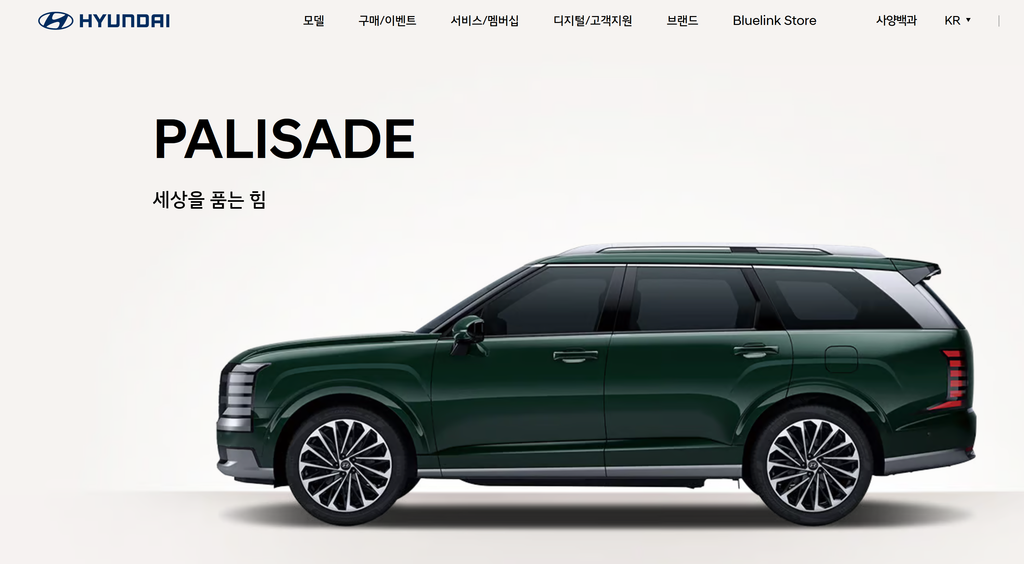
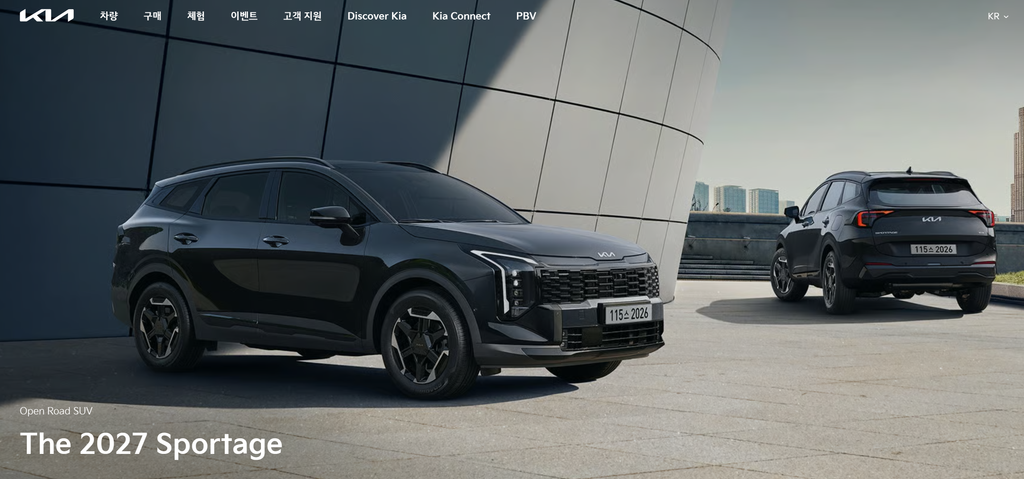
The importance of these two companies extends beyond just selling cars. They are the backbone of the South Korean economy and have set a new standard for how automotive design and manufacturing can evolve in a relatively short period. In the past, Korean cars were often viewed as budget options, but today, they consistently rank at the top of quality surveys, rivaling long-standing European and Japanese manufacturers. By understanding the distinct identities of Hyundai and Kia, consumers can make better-informed decisions that align with their personal needs and financial goals.
The Evolution of Hyundai and Kia
While Hyundai and Kia are part of the same corporate group, they maintain distinct brand identities that cater to different types of drivers. Hyundai Motor Company focuses on a balance of comfort, advanced engineering, and a broad appeal that spans from compact hatchbacks to luxury sedans and SUVs. Kia Motors, on the other hand, has carved out a niche as the more design-forward, youthful, and sporty sibling. Under the leadership of the Hyundai Motor Group, both companies share platforms and technology, which allows them to keep development costs down while offering consumers a wide variety of choices.
The synergy between these two companies is a masterclass in modern business strategy. By sharing powertrains, transmissions, and vehicle platforms, they can innovate much faster than competitors who operate in silos. For the buyer, this means that when you purchase a Hyundai or a Kia, you are often getting the same high-quality mechanical guts wrapped in two very different design packages. This shared architecture ensures that parts are widely available, service networks are robust, and the resale value of these vehicles remains competitive.
Why Korean Vehicles Are a Practical Choice
If you are considering a new or used vehicle, there are several practical reasons why Hyundai and Kia should be at the top of your list. The most prominent factor is the value proposition. Generally, these manufacturers provide more standard features for the price compared to their competitors. While other brands might charge extra for advanced safety features, smartphone integration, or heated seats, Hyundai and Kia often include these as standard equipment even in their entry-level trims.
Beyond the initial price tag, the long-term cost of ownership is a significant benefit. Both brands are known for their industry-leading warranty programs, particularly in North America, where they offer a ten-year or 100,000-mile powertrain warranty. This is a massive selling point for anyone worried about the risks associated with buying a car. It demonstrates the confidence the manufacturers have in their own engineering, and it provides significant peace of mind to the owner, knowing that major repairs won’t break the bank during the first decade of ownership.
Safety and Technology Features
Hyundai and Kia have invested heavily in driver assistance systems. Their suite of technologies, often marketed as SmartSense for Hyundai and Drive Wise for Kia, includes features that were once reserved for luxury vehicles. These include:
- Forward Collision-Avoidance Assist with pedestrian detection
- Lane Keeping Assist and Lane Following Assist
- Blind-Spot Collision-Avoidance Assist
- Rear Cross-Traffic Collision-Avoidance Assist
- Smart Cruise Control with Stop and Go functionality
These features are not just marketing gimmicks; they are practical tools that help prevent accidents and reduce driver fatigue during long commutes. For a family, these safety ratings are often the deciding factor, and both brands consistently earn top safety picks from organizations like the IIHS and NHTSA.
Navigating the Model Lineup
Because these companies offer such a vast array of vehicles, it can be overwhelming to choose the right one. Understanding how they categorize their cars can help you narrow down your search. Both brands offer a mix of sedans, SUVs, and, increasingly, dedicated electric vehicles (EVs).
Sedans and Hatchbacks
If you are looking for efficiency and agility, the sedan lineup is a great place to start. Hyundai offers the Elantra and Sonata, while Kia offers the Forte and K5. These vehicles are ideal for urban commuting. The compact models are known for their fuel economy, while the mid-size sedans provide a more refined ride with extra interior space. These cars are often the most cost-effective to maintain due to their simple, proven mechanical configurations.
SUVs and Crossovers
This is the most popular segment today, and both brands have a massive footprint here. From subcompact crossovers like the Hyundai Kona and Kia Seltos to full-size family haulers like the Hyundai Palisade and Kia Telluride, there is something for everyone. The key difference here is often aesthetic. The Palisade is designed with a more traditional, upscale luxury look, while the Telluride leans into a rugged, boxy design that has become incredibly popular.
Electric Vehicles and Hybrids
Hyundai and Kia have become leaders in the transition to electrification. The Hyundai Ioniq series and the Kia EV6 are built on the E-GMP platform, which is specifically designed for electric cars. This platform allows for extremely fast charging times and impressive range. If you are looking to make the switch to an electric vehicle, these models are currently among the most highly recommended in the industry because they provide the best balance of range, performance, and charging speed.
Common Misconceptions and Facts
There are still some lingering myths about Korean cars that deserve to be addressed. By clarifying these, you can approach the market with a clearer perspective.
- Myth: Korean cars are less reliable than Japanese cars.
Fact: This is a holdover from the 1990s. Today, Hyundai and Kia consistently rank near the top of J.D. Power Initial Quality Studies. Their engines and transmissions are robust, and their manufacturing plants are some of the most advanced in the world.
- Myth: They are “disposable” vehicles that don’t hold value.
Fact: While all cars depreciate, the resale value of Hyundai and Kia vehicles has improved significantly. Models like the Telluride and the Palisade have actually seen their resale values remain exceptionally high due to strong demand and limited supply.
- Myth: Parts are hard to find because they are imported.
Fact: Both companies have massive manufacturing footprints in the United States and other regions. They have established extensive supply chains, meaning parts are as easy to source as those for any other major automaker.
Practical Tips for Buying and Owning
When you decide to purchase a vehicle from these brands, there are several strategies you can employ to get the most out of your investment.
Researching the Trim Levels
Hyundai and Kia use a “package” system for their trim levels. Unlike some luxury brands that allow you to customize every single feature, these brands group features together. Take the time to look at the spec sheets on their official websites. Often, the jump from one trim level to the next is worth it because it adds safety features or tech upgrades that would cost far more to install as aftermarket parts. Look for the “sweet spot” trim—usually the mid-range option—which typically offers the best value for the money.
Maximizing the Warranty
To keep your warranty valid, you must be diligent about maintenance. These cars are reliable, but they are not maintenance-free. Follow the service schedule outlined in your owner’s manual strictly. Keep records of every oil change and inspection. If you ever need to make a warranty claim, having a organized folder of service records will make the process seamless and ensure that the dealership cannot deny coverage due to perceived neglect.
Leveraging Mobile Apps
Both Hyundai (Blue Link) and Kia (Kia Connect) offer mobile applications that allow you to interact with your vehicle. These apps are incredibly useful in daily life. You can start your car remotely to cool it down in the summer or warm it up in the winter. You can also check your tire pressure, lock your doors from afar, and even track your vehicle’s location. Setting these up at the dealership when you buy the car is a great way to ensure you are getting the full utility out of your purchase.
The Future of Hyundai and Kia
Looking ahead, these companies are not just focusing on cars; they are focusing on mobility. This includes investments in hydrogen fuel cell technology, autonomous driving, and even robotics. For the consumer, this means that the cars you buy today are equipped with software and hardware that are designed to be relevant for years to come. The “connected car” experience is a major priority for them, meaning that your vehicle will likely receive over-the-air updates that improve its performance and features even after you drive it off the lot.
They are also moving toward a more sustainable manufacturing process. If environmental impact is a concern for you, both brands have publicly committed to carbon neutrality in their production facilities. Supporting companies that prioritize green manufacturing is another way that your purchase can align with your personal values.
Expert Advice on Choosing Between Hyundai and Kia
Many people ask, “Should I buy a Hyundai or a Kia?” The answer often comes down to your personal taste and the specific dealership experience in your area. Because they are mechanically similar, the decision should be based on three factors:
- Design Preference: Do you prefer the fluid, modern design language of Hyundai or the bold, edgy, and sometimes aggressive styling of Kia? Visit a showroom and sit inside both. The ergonomics, button placement, and interior vibe are different enough that one will likely feel more “right” to you than the other.
- Dealership Experience: Your long-term relationship with the brand will be through your local dealership. Visit the service centers of both brands in your area. Are they clean? Are the staff helpful? Do they have good reviews for their service department? A great dealership can make owning a car much more pleasant.
- Specific Model Availability: Sometimes, one brand will have a specific feature or model that the other does not. For example, if you need a very specific type of hybrid setup or a particular cargo configuration, check both lineups, as one might be better suited to your specific lifestyle needs.
Cost Effective Utilization Methods
Owning a car is a significant expense, but there are ways to minimize the financial burden when choosing a Hyundai or Kia. First, consider the Certified Pre-Owned (CPO) programs. Because these cars have long warranties, a CPO vehicle often comes with a significant portion of the original factory warranty remaining. This allows you to get the reliability of a new car at a lower price point, while still having the security of a manufacturer-backed guarantee.
Second, pay attention to fuel efficiency ratings. Both brands are leaders in this area, and choosing a hybrid or an efficient compact model can save you thousands of dollars in fuel costs over the life of the vehicle. When you factor in the lower maintenance costs and the high reliability ratings, the total cost of ownership for a Hyundai or Kia is often significantly lower than that of many competitors.
Third, do not ignore the power of the user community. There are vast online forums and owner groups for both Hyundai and Kia models. These communities are excellent resources for solving minor issues, finding out about recalls, or learning how to use specific features of your car’s infotainment system. Before paying a mechanic for a minor issue, check these forums; you will often find that other owners have already figured out a simple, low-cost solution.
Understanding the Global Impact
It is important to remember that when you buy a vehicle from these companies, you are participating in a global ecosystem. Hyundai and Kia have plants in South Korea, the United States, Europe, and India. This global manufacturing strategy is designed to ensure that vehicles are built to local standards and preferences. It also means that these companies are deeply integrated into the global economy.
Their success has paved the way for other Korean industries to gain international recognition. The “Korean Wave” is not just about entertainment and culture; it is about the high-quality industrial output that has become a hallmark of the nation. By choosing these brands, you are supporting a corporate culture that values innovation, rapid iteration, and high-quality standards. This is why you will see these cars on the streets of almost every major city in the world, from Seoul to Los Angeles to Berlin.
How to Approach the Dealership
When you are ready to make a purchase, approach the process with preparation. Know the market value of the car you are interested in by using online pricing tools. Understand the difference between the MSRP and the actual transaction price. Because Hyundai and Kia have such popular models, some dealerships may add markups. Do not be afraid to shop around. If one dealership is charging an unreasonable premium, another one a few miles away might be more willing to work with you.
Also, ask about the service department’s policies. Do they offer loaner cars? Do they have a shuttle service? These small perks make a big difference in your daily life when your car needs to go in for its regular maintenance. A dealership that values your time is just as important as the car itself.
Frequently Asked Questions
Are Hyundai and Kia the same company?
They are separate brands, but they are both owned by the Hyundai Motor Group. They share engineering and platforms, but they operate independently in terms of design, marketing, and sales.
Are the engines reliable?
Modern engines from Hyundai and Kia are very reliable. Like any manufacturer, they have had recalls in the past, but they are generally quick to address these issues and have significantly improved their engineering processes over the last decade.
Is it expensive to fix these cars?
Generally, no. Because they share many parts, the parts supply chain is vast and competitive. You can often find parts at lower prices than those for European luxury brands, and many independent mechanics are very familiar with how to work on these vehicles.
Do they have good infotainment systems?
Yes, their infotainment systems are widely considered to be among the best in the industry. They are intuitive, have fast response times, and offer excellent support for Apple CarPlay and Android Auto.
Can I use a regular mechanic to service my car?
Yes, any qualified mechanic can perform routine maintenance on a Hyundai or Kia. You do not need to go to a specialized dealer for oil changes, tire rotations, or brake service, provided the shop is reputable and uses the correct parts.
The Human Element of Korean Automotive Design
There is a specific philosophy behind the design of these cars that is worth noting. The designers often talk about “sensuous sportiness.” This is an attempt to blend emotional appeal with rational functionality. When you sit in a modern Hyundai or Kia, you notice that the buttons are where you expect them to be, the screens are angled for easy viewing, and the materials feel tactile and well-assembled. This is not accidental. It is the result of years of consumer research and a commitment to making the driving experience as seamless as possible.
This attention to the “human” experience is what separates them from brands that focus purely on performance or purely on cost. They understand that for most people, the car is a tool for living—a way to get to work, a way to pick up the kids, and a way to go on vacation. By making that tool reliable, comfortable, and aesthetically pleasing, they have earned the loyalty of millions of drivers worldwide. Whether you are a first-time driver or a seasoned car enthusiast, these brands offer a depth and breadth of options that make them a cornerstone of the modern automotive market.
Final Considerations for Potential Owners
As you move forward in your research, keep an open mind. Don’t be swayed by outdated perceptions or brand snobbery. The automotive world has changed, and Hyundai and Kia are at the forefront of that change. They have earned their place at the table through hard work, smart engineering, and a relentless focus on the customer. When you walk into a showroom, look past the shiny paint and the bright lights; look at the technology, the warranty, and the design that fits your life.
By taking the time to understand the nuances of these two companies, you are not just buying a car; you are making an informed decision that will serve you well for years. From the efficiency of their hybrid engines to the cutting-edge safety features in their SUVs, there is a Hyundai or Kia model that is perfectly suited to your needs. Embrace the innovation, enjoy the journey, and drive with the confidence that comes from owning a vehicle built by one of the world’s most dynamic automotive groups.
Remember that the best way to know if a car is right for you is to get behind the wheel. Schedule a test drive, play with the features, and see how the car feels on the road. The specifications on paper are useful, but the actual experience of driving is what truly matters. With such a wide variety of models available, you are bound to find one that resonates with you. Enjoy the process of finding your next vehicle, and rest assured that with Hyundai and Kia, you are making a choice that is backed by global expertise and a commitment to excellence.
Master






댓글 0
첫 댓글을 남겨보세요.