
The best museum in Seoul to enjoy for free, the National Museum of Korea
Discovering the National Museum of Korea
When traveling to a bustling metropolis like Seoul, the sheer number of attractions can be overwhelming. Travelers often find themselves navigating expensive entry fees, crowded tourist traps, and language barriers. However, hidden in plain sight is a cultural treasure that stands as the crown jewel of Korea’s heritage: the National Museum of Korea. Not only is it the largest museum in the country, but it is also entirely free to enter for its permanent exhibitions. This makes it an essential stop for anyone wanting to understand the history, art, and spirit of the Korean peninsula without breaking their travel budget.
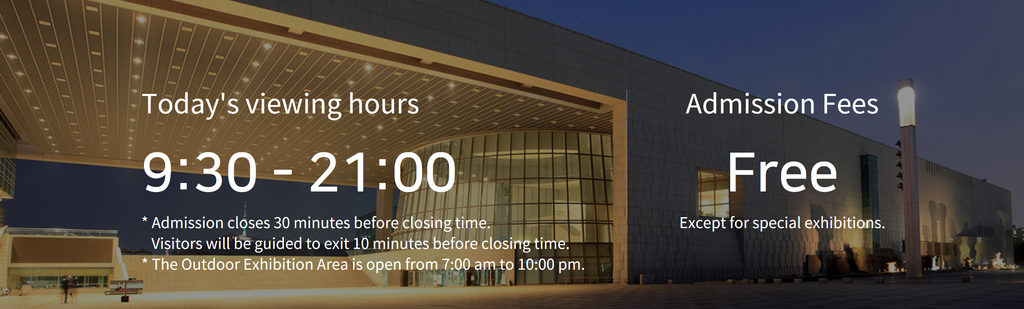
The museum is located in the Yongsan District, a central area that is easily accessible via the subway system. It is not merely a place to look at old pottery; it is a sprawling educational complex that offers a deep dive into the lives of the people who shaped Korea over thousands of years. Whether you are a history buff, an art enthusiast, or a family looking for an educational day out, this museum provides an unparalleled experience that is both intellectually stimulating and incredibly welcoming.
Why the National Museum of Korea is a Must Visit
The importance of this institution cannot be overstated. It serves as the primary repository for Korean history, housing over 300,000 artifacts, with thousands on display at any given time. Its role is to bridge the gap between the ancient past and the modern present. By visiting, you gain context for everything else you will see in Seoul, from the palaces of the Joseon Dynasty to the modern architecture that defines the city skyline today.
One of the most striking aspects of the museum is its architecture. Designed to resemble a traditional Korean fortress, the building itself is a masterpiece of modern design. The central corridor, known as the Path of History, acts as an indoor street that connects the different wings of the museum. This design choice is intentional, meant to encourage visitors to wander and discover history at their own pace. It is a space that feels calm, spacious, and meditative, providing a much-needed sanctuary from the noise and intensity of Seoul’s urban environment.
Understanding the Layout and Collections
Navigating such a massive space can be daunting, so understanding the layout is key to a rewarding visit. The museum is structured logically, allowing visitors to follow the timeline of Korean history as they move through the galleries.
The Ground Floor
The ground floor is dedicated to the Prehistoric and Ancient History Gallery. Here, you can trace the origins of the Korean people from the Paleolithic era through the Three Kingdoms period. The displays are meticulously curated, featuring tools, weapons, and burial goods that tell the story of early survival and the development of early states. This section is vital for understanding the foundational myths and societal structures that would later define the Korean identity.
The First Floor
Moving up, the first floor focuses on the Medieval and Early Modern History Gallery. This section highlights the Goryeo and Joseon Dynasties. This is where you will find the exquisite celadon pottery that Korea is famous for, as well as royal documents, paintings, and artifacts representing the high culture of the royal court. The attention to detail in these artifacts is breathtaking and provides a window into the daily lives, religious practices, and political shifts of these eras.
The Second Floor
The second floor is home to the Donation Gallery and the Calligraphy and Painting Gallery. The Donation Gallery is particularly touching, as it features collections gifted by private individuals who spent their lives gathering rare items. These galleries showcase the aesthetic sensibilities of Korean scholars and artists. The intricate ink paintings and elegant calligraphy provide a look into the philosophical world of the literati class.
The Third Floor
The third floor houses the Sculpture and Crafts Gallery and the World Art Gallery. The Sculpture and Crafts Gallery features stunning Buddhist statues, many of which are designated National Treasures. The serene expressions on these stone and bronze figures are a testament to the influence of Buddhism on Korean art. The World Art Gallery is a delightful surprise, showcasing artifacts from Central Asia, China, Japan, and beyond, highlighting Korea’s historical role as a cultural crossroads.
Practical Tips for a Smooth Experience
Because the museum is so large, preparation is essential. You could easily spend an entire week here and still not see everything, so planning your visit will help you make the most of your time.
- Arrive Early: The museum opens at 10:00 AM. Arriving when the doors open allows you to explore the most popular galleries before the afternoon crowds arrive.
- Wear Comfortable Shoes: You will be doing a significant amount of walking. The galleries are expansive, and the hallways are long. Your feet will thank you for choosing support over style.
- Utilize the Audio Guides: While the information boards are in English, the audio guides provide a much deeper narrative. They are available for rent at the information desk and offer a more immersive experience.
- Check the Calendar: The museum frequently hosts special exhibitions. While permanent galleries are free, some special temporary exhibitions may require a paid ticket. Check the official website before you head out.
- Take Breaks: There are cafes and rest areas throughout the museum. Don’t feel pressured to rush through. Sit down, grab a coffee, and reflect on what you have seen.
- Use the Lockers: There are free lockers available for visitors. Store your heavy bags and coats so you can move freely through the galleries without the burden of extra weight.
Common Misconceptions and Facts
There are several myths surrounding the National Museum of Korea that might deter some visitors. Clearing these up will help you plan with confidence.
Myth: The free exhibitions are of lower quality
Fact: The permanent exhibitions are the core of the museum and contain the most significant artifacts in the country, including many National Treasures. They are curated with the highest professional standards and are the primary reason the museum is world-renowned.
Myth: It is too crowded to enjoy
Fact: While the museum can get busy on weekends and holidays, its sheer scale means it rarely feels claustrophobic. The high ceilings and wide corridors are designed to manage large numbers of people effectively. If you want a quiet experience, aim for a weekday morning.
Myth: You need to be a history expert to appreciate it
Fact: The museum is designed for the general public. The explanations are written in accessible language, and the visual displays are engaging enough that you don’t need a background in Korean history to find them fascinating. It is a place for learning, not for testing existing knowledge.
Making the Most of Your Time
To really get the most out of your visit, consider focusing on a few specific areas rather than trying to see everything at once. If you are interested in art, prioritize the Sculpture and Crafts Gallery. If you are a history enthusiast, spend your time on the ground and first floors. For families with children, the Children’s Museum is an absolute must-visit. It offers hands-on, interactive experiences that make history fun and engaging for younger visitors.
Another great way to spend your time is to walk the outdoor grounds. The museum is surrounded by a beautiful park that includes traditional gardens, ponds, and even a pagoda. It is the perfect place to stroll after spending a few hours inside. The view of the N Seoul Tower from the museum grounds is also one of the best in the city, providing a perfect photo opportunity that contrasts the ancient stone pagodas with the modern urban landscape.
The Cultural Significance of the Museum
The National Museum of Korea is more than just a building; it is a repository of the national consciousness. For centuries, Korea has faced various challenges, from invasions to periods of rapid modernization. Through all these changes, the artifacts preserved in this museum have remained as witnesses to the resilience of the Korean people. Seeing these items in person allows you to connect with the past in a way that reading a book or watching a documentary simply cannot.
The Buddhist statues, for example, are not just art; they represent the spiritual comfort that the people sought during times of hardship. The celadon pottery represents the pursuit of beauty and perfection even in the midst of political instability. By looking at these objects, you are essentially looking into the hearts and minds of the people who lived in this land long before you arrived. It is a humbling and enlightening experience that adds a layer of depth to your understanding of Korean culture.
Expert Advice for International Visitors
If you are visiting from abroad, here is some expert advice to help you navigate the nuances of the museum experience:
- Respect the Etiquette: While the museum is a public space, it is also a place of quiet reflection. Avoid loud conversations near the exhibits and always be mindful of other visitors. Photography is generally allowed without flash, but always check for signs indicating otherwise, especially in special exhibition areas.
- Engage with the Staff: The staff at the information desk are incredibly knowledgeable and helpful. If you have a specific interest, such as jewelry, ancient weaponry, or calligraphy, don’t hesitate to ask them which galleries they recommend you prioritize.
- Plan Your Travel: The museum is located at Ichon Station (Line 4 and Gyeongui-Jungang Line). The station has a dedicated exit that leads directly into the museum complex, making it very easy to reach even if you are not familiar with the subway system.
- Ask for a Guided Tour: The museum offers guided tours in several languages, including English. These tours are led by experts who can provide fascinating anecdotes and context that you might miss on your own. Check the schedule upon arrival.
Cost Effective Utilization Strategies
One of the best things about the National Museum of Korea is how it helps you manage your travel budget. In a city where entrance fees to palaces and other attractions can add up, this museum offers an entire day of high-quality activity for zero cost. To maximize this benefit, consider the following strategies:
- Combine with Nearby Attractions: The museum is located in the Yongsan area, which is close to the War Memorial of Korea. Both are free or very low cost and can easily be combined into a full-day cultural itinerary.
- Bring Your Own Water and Snacks: While there are cafes, bringing your own water bottle is a great way to save money. You can refill it at the various stations throughout the building.
- Take Advantage of the Gift Shop: Even if you are on a budget, the gift shop offers small, affordable souvenirs like bookmarks, postcards, and traditional-style stationery that make for excellent, meaningful gifts that won’t break the bank.
- Check for Free Events: The museum often hosts free performances in its lobby or outdoor amphitheater. These can range from traditional Korean music to contemporary dance. These performances are a fantastic way to experience Korean culture beyond the static exhibits.
Frequently Asked Questions
Is the museum really free?
Yes, the permanent exhibitions are completely free of charge. You can walk in and enjoy the majority of the museum’s vast collection without paying a single won. Some special exhibitions may have a fee, but these are clearly marked.
How much time should I set aside for a visit?
To get a basic overview, you should set aside at least three to four hours. If you want to explore the collections in depth, you could easily spend an entire day. It is best to plan for a half-day visit to avoid museum fatigue.
Are there English descriptions for the exhibits?
Yes, all major exhibits have descriptions in both Korean and English. The information is clearly presented and provides sufficient context for most visitors.
Can I take photographs?
Yes, photography is generally allowed in the permanent galleries, provided you do not use a flash or a tripod. However, always look for signage in specific areas as some temporary exhibitions may have stricter rules.
Is the museum accessible for people with disabilities?
Yes, the museum is fully accessible, with elevators, ramps, and spacious walkways throughout. Wheelchairs and strollers are also available for loan at the information desk, which is a very helpful service for families and those with mobility issues.
The Role of Technology in the Modern Museum
The National Museum of Korea has embraced technology to make history more engaging for the modern visitor. Throughout the galleries, you will find interactive digital displays that allow you to zoom in on intricate details of paintings, learn about the construction of ancient artifacts, or watch short videos explaining historical processes. This integration of technology ensures that the museum remains relevant to younger generations and those who prefer a more interactive learning experience.
Furthermore, the museum’s website is an excellent resource. Before you visit, you can browse the online collection, watch virtual tours, and read detailed articles about upcoming exhibitions. This digital presence acts as a bridge, allowing you to prepare for your visit or continue your learning long after you have returned home. It is a testament to the museum’s commitment to education and accessibility that they provide these resources to people all over the world, not just those who can visit in person.
Navigating the Path of History
The Path of History, the central corridor of the museum, is a brilliant piece of architectural storytelling. As you walk along this path, you are essentially walking through time. The layout is designed so that you start with the earliest artifacts and gradually move toward more recent history as you progress through the building. This linear progression helps you maintain a sense of chronological order, which is crucial when trying to understand the complex history of the Korean peninsula.
If you find yourself feeling lost or overwhelmed by the sheer volume of information, simply return to this central axis. It serves as an anchor, helping you reorient yourself and decide which section you want to explore next. It is also a beautiful space to simply sit and people-watch. You will see students on field trips, elderly couples enjoying a quiet afternoon, and tourists from all over the world, all sharing in the experience of discovering Korea’s rich past.
The Importance of Cultural Heritage
Visiting the National Museum of Korea is an act of cultural appreciation. In a world that is increasingly globalized, it is easy to lose sight of the unique traditions and histories that make each culture special. By taking the time to explore this museum, you are acknowledging the value of Korean history and the efforts that have been made to preserve it. The items on display are not just objects; they are the physical manifestations of the hopes, dreams, and struggles of millions of people who lived before us.
When you look at a Goryeo celadon vase, you are seeing the result of generations of craftsmanship. When you look at a Joseon-era map, you are seeing how early scholars understood their place in the world. These connections to the past are essential for fostering empathy and understanding in the present. The museum does an incredible job of humanizing history, making it feel personal and relevant rather than distant and academic.
Final Thoughts on Planning Your Trip
When planning your trip to Seoul, make sure the National Museum of Korea is near the top of your itinerary. It is rare to find a world-class institution that offers so much value for free. By taking the time to understand its layout, using the resources available, and approaching your visit with a curious mind, you will find that this museum provides one of the most rewarding experiences of your entire trip. It is a place that invites you to slow down, look closely, and appreciate the incredible journey of a nation that has endured and flourished.
Whether you have a few hours or a full day, the museum will leave you with a newfound appreciation for the depth and beauty of Korean culture. It is a gift to the public, a space of learning and discovery that remains open to everyone. Do not miss the chance to walk its halls, view its treasures, and immerse yourself in the fascinating story of Korea. It is, without a doubt, one of the most beneficial and practical ways to spend your time in Seoul.
Exploring Beyond the Main Galleries
While the main galleries are the primary draw, there are other hidden gems within the museum complex that are worth seeking out. For instance, the outdoor exhibition areas are often overlooked by hurried visitors. These areas feature stone pagodas, stupas, and other large-scale stone artifacts that have been relocated to the museum grounds for preservation. These outdoor exhibits provide a peaceful, garden-like setting where you can appreciate the scale and artistry of these ancient structures in natural light.
Additionally, the museum library is a fantastic resource for those who want to delve deeper into specific topics. While it is primarily a research facility, it is open to the public and contains a wealth of literature on Korean history, art, and archaeology. If you find yourself particularly captivated by a specific era or art form, a visit to the library can provide you with the resources to satisfy your curiosity. It is a quiet, scholarly environment that offers a different perspective on the museum’s mission.
Connecting with the Local Community
The National Museum of Korea is also a vibrant community space. It is common to see families spending their weekends here, with children participating in educational programs or exploring the Children’s Museum. This local atmosphere makes the museum feel like a living, breathing part of the city rather than just a tourist attraction. Observing how the locals interact with their history can add another layer of meaning to your visit. You see history not as something dead and buried, but as an active, ongoing conversation that the Korean people are having with their own heritage.
If you visit during a public holiday or a cultural festival, you might even encounter special events, performances, or traditional craft workshops taking place on the museum grounds. These spontaneous moments of cultural expression are a wonderful bonus and offer a glimpse into the living traditions of Korea. It is a reminder that culture is not just about what is behind glass; it is about the people who continue to carry those traditions forward into the future.
The Value of Slow Travel
In the age of social media, there is often pressure to see as much as possible in the shortest amount of time. However, the National Museum of Korea is the perfect place to practice the art of slow travel. Instead of rushing to check off every “must-see” item, take the time to really look at a single piece. Consider the hands that shaped it, the time it took to create, and the generations that passed it down. This depth of engagement is what makes travel truly transformative.
By focusing on quality over quantity, you will find that you come away with a much richer understanding of the culture than if you had simply breezed through the galleries. The museum rewards those who linger. You will notice details in the patterns of a robe, the expression on a statue’s face, or the texture of a piece of pottery that you would have otherwise missed. These small observations are the building blocks of a meaningful travel experience, and they are what you will remember long after you have returned home.
A Resource for Future Learning
Finally, consider your visit to the museum as the beginning of a larger journey. Once you have seen these artifacts in person, you will find that you are much more interested in reading about them, watching documentaries, or even learning a few words of the language. The museum acts as a spark, igniting a curiosity that can lead to a lifetime of learning about Korea. It is a resource that you can return to again and again, both physically and intellectually.
Keep a small notebook with you and jot down the names of the artifacts or historical periods that interest you the most. When you get back to your hotel or home, do a little research. You will be surprised at how much more meaningful the information becomes when you have a visual memory of the object to anchor it to. The National Museum of Korea is more than just a destination; it is a gateway to a deeper understanding of the world, and it is a resource that is available to you, for free, whenever you choose to engage with it.
Master





댓글 0
첫 댓글을 남겨보세요.