
Seoul Traditional Market kwangjangmarket
The Cultural and Culinary Significance of Kwangjang Market
Kwangjang Market stands as a cornerstone of Seoul’s cultural identity and is arguably the most iconic traditional market in South Korea. Established in 1905, it holds the distinction of being the first permanent market in the country. Unlike modern shopping malls or sterile department stores, Kwangjang Market offers a raw, sensory-rich experience that bridges the gap between Korea’s historical past and its bustling, modern present. For locals, it is a place for daily groceries and social gatherings; for international travelers, it is a pilgrimage site for authentic Korean street food and traditional textiles.
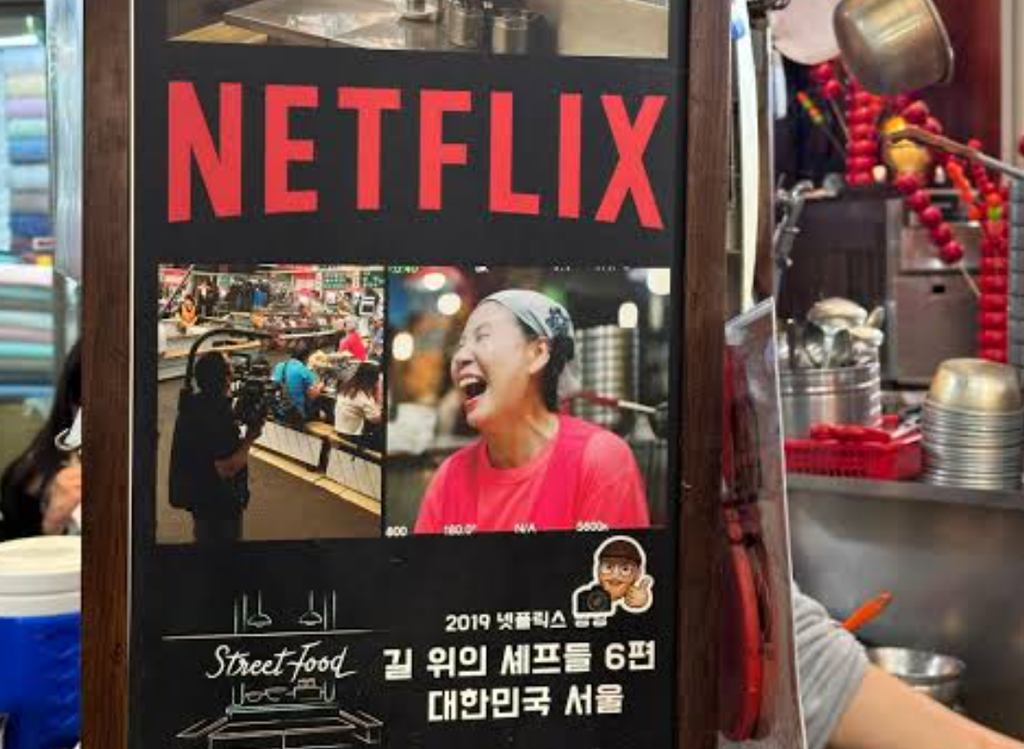
The importance of this market goes beyond mere commerce. It is a living museum where the sounds of sizzling griddles, the chatter of vendors, and the vibrant colors of hanbok fabrics create a unique atmosphere. The market is located in the Jongno district, an area steeped in history and surrounded by royal palaces and traditional houses. Visiting Kwangjang Market is not just about eating or shopping; it is about immersing yourself in the rhythm of Seoul life. It represents the resilience and community spirit of the Korean people, having survived wars, economic shifts, and rapid urbanization to remain a central hub for the capital city.
Essential Guide to Navigating the Market Layout
Kwangjang Market is vast, and for the uninitiated, it can feel overwhelming. The market is generally divided into distinct zones based on the types of goods sold. Understanding this layout will help you make the most of your visit without feeling lost.
The Central Food Corridor
This is the most famous section of the market. When you enter from the main road, you will immediately see rows of stalls with vendors sitting behind large, circular griddles. This is where you find the legendary Bindaetteok (mung bean pancakes) and Mayak Gimbap (addictive seaweed rice rolls). The seating is communal, often consisting of simple stools around the cooking area, which encourages interaction with other diners and the vendors themselves.
The Fabric and Textile District
If you head toward the second floor or explore the outer perimeter, you will find an extensive collection of fabric shops. Kwangjang Market is the primary wholesale center for Hanbok, the traditional Korean attire. You can find everything from high-end silk to modern synthetic fabrics. Many vendors here are skilled tailors who can custom-make clothing. It is a fascinating place to observe the intricate craftsmanship that goes into traditional Korean garments.
The Dried Goods and Grocery Section
Deeper into the labyrinthine alleys, you will find stalls selling dried seafood, medicinal herbs, spices, and grains. This is where local residents do their daily shopping. The quality of these goods is often superior to what you might find in a supermarket, as many of these vendors have been sourcing from the same regional farmers for decades. If you are looking for authentic ingredients to take home, this is the place to search.
A Culinary Journey Through Must Try Dishes
The primary reason most visitors flock to Kwangjang Market is the food. The variety can be dizzying, but there are certain staples that define the market experience. Here is a breakdown of what you should prioritize during your visit.
- Bindaetteok: These are thick, savory pancakes made from ground mung beans, vegetables, and sometimes meat. They are deep-fried to perfection, resulting in a crispy exterior and a soft, flavorful center. They are typically served with a tangy onion soy sauce.
- Mayak Gimbap: Literally translated as drug gimbap, the name implies that these small, bite-sized seaweed rice rolls are so delicious they are addictive. They are usually filled with carrots, pickled radish, and spinach, and dipped in a mustard-based sauce.
- Yukhoe: For the adventurous eater, raw beef tartare is a specialty here. It is served with a raw egg yolk, sliced pears, and sesame oil. The quality of the meat in the specialized Yukhoe alley is incredibly high, making it a safe and popular delicacy.
- Kalguksu: Knife-cut noodles served in a hot, savory broth. Many stalls specialize in this dish, and watching the vendors hand-cut the dough right in front of you is part of the experience. It is the ultimate comfort food, especially during the colder months.
- Sundae: A type of Korean blood sausage filled with glass noodles and sticky rice. It has a unique texture and flavor profile that is quintessentially Korean. It is often served with a side of steamed liver or lungs.
Practical Tips for a Smooth Experience
Visiting a busy traditional market requires a bit of strategy to ensure you remain comfortable and get the best value for your time. Here are some expert tips to help you navigate the environment like a local.
Timing Your Visit
The market can get extremely crowded, particularly on weekends and public holidays. If you want a more relaxed experience, aim to visit on a weekday morning or early afternoon. If you prefer the vibrant, high-energy atmosphere, Friday evenings or Saturday afternoons are ideal, though you should be prepared for significant wait times at popular food stalls.
Payment Methods
While many vendors have adopted digital payment systems, cash is still king in the more traditional sections of the market. It is highly recommended to carry a good amount of South Korean Won in small denominations. This makes transactions faster and avoids any awkwardness if a vendor does not accept cards.
Handling the Crowds
The aisles in the market are narrow, and it is common to be bumped into by other patrons. Keep your belongings secure, preferably in a crossbody bag kept in front of you. Since the seating at food stalls is communal, be prepared to sit close to strangers. This is part of the charm, as it allows you to see what others are ordering and perhaps get some inspiration for your own meal.
Hygiene and Comfort
Public restrooms in older markets can sometimes be sparse or difficult to locate. It is wise to use a restroom at a nearby subway station or a modern cafe before entering the market. Carry hand sanitizer or wet wipes, as dining at the stalls involves eating with chopsticks that are often kept in communal containers.
Common Misconceptions and Facts
There are many myths surrounding traditional markets in Seoul. Clearing these up will help you approach Kwangjang Market with the right expectations.
Myth: Traditional markets are only for older generations
Fact: While the market has deep roots, it has seen a massive resurgence in popularity among younger Koreans and international tourists. The rise of social media has turned many of these food stalls into viral sensations, ensuring a diverse crowd of all ages.
Myth: The food is not safe because it is prepared in the open
Fact: The high volume of customers ensures a rapid turnover of ingredients. You will rarely find food that has been sitting out for too long. The vendors take immense pride in their cleanliness and reputation, as their livelihood depends on it. The open-kitchen format actually allows you to verify the freshness of the ingredients yourself.
Myth: You need to speak Korean to order
Fact: While knowing a few phrases is helpful, most vendors are accustomed to international tourists. Pointing at the food you want or using simple English numbers for quantity is perfectly acceptable and widely understood.
Cost Effective Utilization Methods
One of the best aspects of Kwangjang Market is that it is incredibly affordable. However, you can still be smart about how you spend your money to get the most variety.
- The Buddy System: If you are traveling with a friend, order one portion of a dish and share it. Because the portions at some stalls can be generous, sharing allows you to sample five or six different types of food without overspending or getting too full too quickly.
- Skip the Restaurants: While there are storefront restaurants surrounding the market, the heart of the experience is at the stalls. The food is generally cheaper and more authentic at the stalls than in the surrounding brick-and-mortar establishments.
- Drink Local: Skip the imported sodas and opt for Makgeolli (Korean rice wine) served in a bowl. It is inexpensive, pairs perfectly with the savory pancakes, and is a traditional way to enjoy a meal in the market.
The Evolution of the Market in the Modern Era
Kwangjang Market has managed to adapt to the digital age without losing its soul. You will now see QR code payment stickers at many stalls, and influencers from all over the world broadcast their meals to thousands of followers. This digital footprint has helped preserve the market by attracting a steady stream of revenue from both domestic and international sources.
Despite this modernization, the core operations remain unchanged. The market is still governed by a sense of community. Vendors often look out for one another, and the market association works hard to maintain the historical integrity of the site. When you shop here, you are participating in a cycle of commerce that supports small business owners who are often carrying on their family’s legacy.
Expert Advice for the Discerning Traveler
If you want to experience the market like a true expert, consider these suggestions for your visit:
Explore the Second Floor
Most tourists never make it past the first-floor food stalls. By taking the stairs to the second floor, you will find a quiet, orderly world of fabric merchants. It is a stark contrast to the chaos below and offers a fascinating look at the textile industry that once fueled Seoul’s economy. It is also an excellent place to buy high-quality, handmade fabrics or even have a custom garment made.
Observe the Etiquette
When you are at a food stall, be mindful of those waiting. While it is acceptable to enjoy your meal, avoid camping out at a seat for an extended period if there is a queue forming. Once you have finished your meal, it is polite to pay and clear your spot for the next person.
Engage with the Vendors
Even if there is a language barrier, a simple smile and a nod of appreciation go a long way. Many of the vendors have been working in the same spot for decades and have incredible stories to tell. Showing respect for their craft often leads to warmer service and sometimes even an extra piece of food or a small discount.
Frequently Asked Questions
Is it safe to eat raw beef at the market?
Yes, the vendors in the dedicated Yukhoe alley are highly specialized. They receive fresh meat daily and adhere to strict standards. It is considered one of the safest places in Seoul to try raw beef dishes.
What are the best hours to visit?
The market is generally open from 9:00 AM to 11:00 PM. However, individual stalls may have their own hours. The food section is most active from late morning through late evening.
Is the market accessible by public transport?
The market is extremely accessible. It is located right next to Jongno 5-ga Station on Subway Line 1. There are multiple exits that lead directly toward the market entrance.
Are there vegetarian options available?
While Korean cuisine is meat-heavy, there are options for vegetarians. The Bindaetteok, for example, is often made with just vegetables and mung beans, though you should ask the vendor to confirm there is no meat in the batter. Many of the side dishes (banchan) are also vegetable-based.
The Cultural Impact of Textile Trading
It is impossible to discuss Kwangjang Market without acknowledging its role in the textile industry. For decades, it has been the heartbeat of the Korean garment trade. Walking through the fabric alleys, you are surrounded by bolts of silk, linen, and cotton in every imaginable color. This is where designers, tailors, and students come to source materials. The intricate patterns and high-quality textiles found here are a testament to the importance of craftsmanship in Korean culture. If you have an interest in fashion or design, the second floor of the market is an essential destination that offers inspiration you simply cannot find in a modern fabric store.
Understanding the Price Dynamics
Prices in the market are generally fixed for food, but there is often room for negotiation when buying large quantities of goods like fabric or dried spices. However, it is important to be respectful. Do not try to haggle over small food items; the prices are already very reasonable for the quality you receive. When purchasing textiles, if you are buying a significant amount, a polite inquiry about a discount is acceptable, but always be prepared to pay the asking price if the vendor declines.
The Role of Seasonal Foods
The menu at Kwangjang Market changes slightly with the seasons, reflecting the Korean emphasis on fresh, seasonal ingredients. In the winter, you will find more hearty soups and hot noodles, which provide warmth against the biting Seoul cold. In the summer, you might find more cooling dishes and fresh vegetable sides. Visiting the market at different times of the year provides a completely different culinary perspective, allowing you to see how the market adapts to the natural cycle of the seasons.
Community and Social Cohesion
The market acts as a social glue for the neighborhood. It is where elderly residents meet for a drink, where office workers grab a quick lunch, and where families come to stock up for the week. The communal seating at the food stalls forces interaction, breaking down social barriers. It is common to see people from all walks of life sitting side-by-side, sharing a bowl of noodles. This sense of shared experience is what makes Kwangjang Market more than just a place of business; it is a community center that has fostered connections for over a century.
Tips for Capturing the Market Experience
Many visitors want to document their time at the market. If you are planning to take photos or videos, keep these tips in mind to be respectful of the vendors and other patrons:
- Ask permission before taking close-up shots of vendors, especially if they are busy. A simple gesture or a “photo okay?” goes a long way in building rapport.
- Avoid using bulky equipment like tripods or large stabilizers. The aisles are narrow, and you do not want to obstruct the flow of traffic.
- Focus on the details: The steam rising from a pot, the hands of the cook, and the vibrant colors of the ingredients often make for better photos than wide-angle shots of the crowd.
The Sustainability of Traditional Markets
In an era of rapid globalization and the dominance of online shopping, traditional markets face significant challenges. However, Kwangjang Market has shown remarkable resilience. By maintaining its focus on high-quality, authentic food and specialized goods, it has remained relevant. The continued support of both locals and tourists is vital for its sustainability. By choosing to shop and eat here, you are directly contributing to the preservation of a piece of Seoul’s history. It is a small but significant act of supporting local economies and cultural heritage.
A Deep Dive into the Making of Bindaetteok
If you watch the vendors making Bindaetteok, you will see a process that has remained largely unchanged for generations. The mung beans are soaked and then ground into a thick, coarse paste. Vegetables like kimchi, onions, and bean sprouts are folded in, and the mixture is ladled into a massive, shallow pan filled with sizzling oil. The sound of the batter hitting the oil is iconic. The vendor expertly flips the pancake, ensuring it is golden brown and crispy on both sides. This level of skill is something that cannot be replicated by machines. It is the human element, the intuition of the cook, and the years of practice that make this simple dish taste so extraordinary.
The Significance of Hanbok Fabric
The Hanbok is more than just clothing in Korea; it is a symbol of national identity and tradition. The fabric shops in Kwangjang Market are the custodians of this tradition. You will see fabrics with intricate patterns, vibrant colors, and varying textures, each suitable for different occasions—from weddings to formal ceremonies. The vendors here are experts in traditional color combinations and fabric properties. Even if you are not in the market to buy a full Hanbok, purchasing a small silk pouch or a fabric accessory is a wonderful way to take home a piece of authentic Korean craftsmanship.
Final Thoughts on the Market Experience
Kwangjang Market is a sensory overload in the best possible way. It is noisy, crowded, and chaotic, but it is also deeply rewarding. It provides a window into the soul of Seoul, showing a side of the city that is often hidden behind the gleaming skyscrapers and high-tech infrastructure. Whether you are there to try the famous mung bean pancakes, search for the perfect piece of silk, or simply to soak in the atmosphere, the market promises an experience that is authentic, memorable, and deeply rooted in the history of the Korean people. Take your time, wander through the side alleys, talk to the vendors, and be open to the unexpected. That is the true way to experience the magic of Kwangjang Market.
Navigating the Language Barrier
While many younger Koreans speak English, the vendors at the market are often from an older generation who may not. Do not let this deter you. The language of food is universal. Pointing at a dish, using hand signals, and having a basic translation app on your phone are more than enough. Many vendors have menus with pictures, which makes ordering very easy. If you are feeling adventurous, ask the vendor for a recommendation. You will often be rewarded with a specialty you might not have known to order otherwise. Learning a few basic Korean words like “Juseyo” (please give me) or “Masisseoyo” (it is delicious) will also go a long way in showing your appreciation and often results in a warmer reception.
The Importance of Supporting Local Vendors
Every purchase you make at the market has an impact. Unlike buying from a large corporation, your money goes directly to the person who prepared your food or sourced your goods. This direct economic support is crucial for the survival of small-scale vendors. When you choose to eat at a family-run stall instead of a fast-food chain, you are helping to keep a family business afloat and preserving the unique culinary traditions that define the neighborhood. The market is a microcosm of the local economy, and every visitor plays a role in its future.
Safety and Security Advice
Seoul is generally a very safe city, and the market is no exception. However, because it is a crowded public space, it is always wise to be vigilant. Keep your wallet and phone in a secure place. If you are carrying a large backpack, try to wear it on your front or keep it close to your side to avoid hitting others in the narrow aisles. If you ever feel overwhelmed by the crowd, just step into one of the side alleys or go up to the second floor; you will find that the pace of life slows down significantly just a few meters away from the main thoroughfare.
Why Kwangjang Market is a Must Visit
There are many tourist attractions in Seoul, from the historic Gyeongbokgung Palace to the futuristic Dongdaemun Design Plaza. However, Kwangjang Market offers something that these sites cannot: a connection to the daily lives of the people who live here. It is a place where history, culture, and commerce intersect in a way that feels raw and honest. Whether you are a foodie looking for the next great meal, a traveler interested in local traditions, or simply someone who wants to experience the vibrant energy of a city, Kwangjang Market is an essential stop. It is a place that stays with you long after you have left, reminding you of the beauty that can be found in the simple, everyday acts of cooking, sharing, and connecting with others.
Master




댓글 0
첫 댓글을 남겨보세요.