
Korea Immigration Stay Visa Information
Understanding the South Korean Visa System
South Korea has become an increasingly popular destination for international students, professionals, and expatriates seeking a unique cultural and economic experience. Navigating the immigration system can feel daunting at first, but understanding the fundamental structure of Korean visas is the first step toward a successful stay. The Korean immigration system is strictly regulated by the Ministry of Justice and the Korea Immigration Service. Whether you are moving for work, study, or family reasons, your visa status dictates your rights, responsibilities, and the duration of your stay.
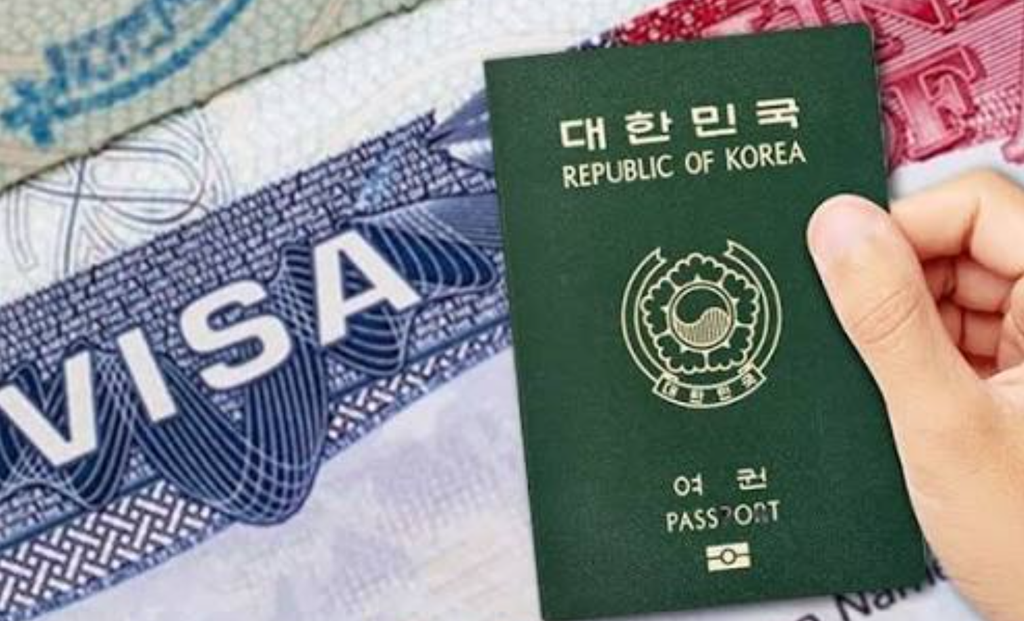
Most foreigners entering Korea require a visa that corresponds to their specific purpose of entry. This visa serves as your legal permission to remain in the country for a set period. Once you arrive, many visa holders are required to register as foreign residents if they plan to stay for more than 90 days. This process results in the issuance of an Alien Registration Card, now officially known as a Residence Card. This card is arguably the most important document you will possess while living in Korea, as it is required for everything from opening a bank account to accessing government services and signing up for mobile phone plans.
Categorization of Korean Visa Types
Korean visas are categorized by letters and numbers, which denote the purpose of the stay. Understanding these categories helps in identifying which path is right for your specific goals. The system is designed to streamline the entry of people who contribute to the economy, culture, or educational landscape of the nation.
Short Term and Tourist Visas
- B1 and B2 Visas: These are visa-waiver or tourist visas. Citizens of many countries can enter Korea for short stays without a formal visa, or by obtaining a simple electronic authorization. These are typically valid for 30 to 90 days and do not allow for employment.
- C3 Visas: These are general short-term visit visas for purposes like tourism, visiting family, or attending conferences. They are usually valid for up to 90 days.
Study and Training Visas
- D2 Visa: This is the standard visa for students enrolled in degree programs at universities or colleges. It allows for part-time work after a certain period of residency and is renewable based on academic progress.
- D4 Visa: This is for general trainees, often used by students attending language schools to learn Korean. It is more restrictive than the D2 visa regarding employment rights.
Employment and Professional Visas
- E1 to E5 Visas: These are professional work visas. E1 is for professors, E2 for language instructors, E3 for researchers, E4 for technical experts, and E5 for professionals in specialized fields like law or medicine.
- E7 Visa: This is the most common visa for skilled workers in various industries. It is employer-sponsored and requires specific qualifications, such as a degree and relevant work experience in the field of employment.
Long Term and Resident Visas
- F2 Visa: Known as the points-based residency visa, it is highly coveted because it offers more freedom of employment and is a pathway toward permanent residency.
- F4 Visa: This is specifically for overseas Koreans, allowing them to live and work in Korea with few restrictions.
- F5 Visa: This is the permanent residency visa, granted to those who have lived in Korea for a significant period under specific other visa statuses and have met various financial and language requirements.
- F6 Visa: This is the marriage migrant visa for those married to a Korean citizen.
Practical Steps for Visa Application
The application process generally begins at a Korean Embassy or Consulate in your home country. While some changes of status can be done from within Korea, it is always safer and more straightforward to secure the correct visa before your arrival. The process usually involves gathering documents, paying a fee, and attending an interview if required.
Documentation Essentials
While requirements vary by visa type, there are common documents that you should always prepare in advance. Having these ready can save you weeks of processing time:
- A valid passport with at least six months of remaining validity.
- Completed visa application forms in English or Korean.
- Passport-sized photographs that meet official Korean government specifications.
- Proof of financial stability, such as bank statements covering the last three to six months.
- An official letter of invitation, employment contract, or certificate of admission from a university.
- A criminal background check, which often needs to be apostilled or notarized depending on your country of origin.
- Medical certificates, particularly for certain long-term visas, confirming you are free of infectious diseases like tuberculosis.
The Importance of the Residence Card
Once you arrive in Korea on a long-term visa, you are legally obligated to visit the local Immigration Office to register and receive your Residence Card. This card is your primary form of identification. Do not treat it lightly; you are required by law to carry it with you at all times. If you lose it, you must report the loss to the immigration office immediately to avoid fines.
The Residence Card contains your unique Alien Registration Number. This number acts as your digital identity. You will need it to verify your age on websites, sign up for delivery apps, register for medical insurance, and even sign up for memberships at local gyms or libraries. Without this card, you are essentially invisible to the digital infrastructure of modern Korea.
Navigating Employment and Visa Restrictions
One of the most frequent points of confusion for foreigners is the restriction on employment. In Korea, your visa is tied to your purpose of stay. If you are on a D2 student visa, you cannot simply start working a full-time job. You must apply for permission for part-time employment through the immigration office, which usually involves proving that your academic performance is stable and that you have received permission from your university.
For those on E2 or E7 visas, your employment is tied to a specific company. You cannot switch employers without the express permission of the immigration office or without going through a formal change-of-status process. Working outside the scope of your visa or for an employer not listed on your permit can lead to heavy fines, visa cancellation, and deportation. Always consult with your HR department or the immigration office before accepting new responsibilities or changing jobs.
Common Misconceptions and Facts
There are many myths surrounding the Korean immigration process that can lead to unnecessary stress or legal trouble. Clearing these up is essential for a smooth stay.
Myth: You can just extend your tourist visa indefinitely by leaving and re-entering the country.
Fact: This is known as visa running, and immigration officers are increasingly vigilant about it. If you are caught attempting to live in Korea on a tourist visa by making short trips to neighboring countries, you will likely be denied entry or questioned extensively upon your return. The system is designed for genuine visitors, not long-term residents.
Myth: A criminal background check is only required for teachers.
Fact: While it is mandatory for E2 teaching visas, many other visa types now require a criminal background check as part of the standard application process. It is best to have one prepared regardless of your visa category to avoid delays.
Myth: You can work any job once you have a Residence Card.
Fact: Your Residence Card confirms your legal residency, but the back of the card often lists your status. If your status is student or dependent, you generally cannot work full-time. Always check the specific employment permissions associated with your visa code.
Tips for Maintaining Good Standing
Staying on the right side of Korean immigration law is about being proactive and organized. Here are some expert tips to ensure your stay remains trouble-free.
- Keep a digital and physical folder of all your immigration documents, including your original contract, your registration certificate, and any approvals for part-time work.
- Always track your visa expiration date. Mark it on your calendar at least three months in advance. Many immigration offices require an appointment to renew a visa, and these slots fill up very quickly.
- If you change your address, you must report it to the local Community Center or Immigration Office within 14 days. Failure to do so can result in a fine.
- If you are planning to travel outside of Korea, check if your visa is a multiple-entry visa. While most long-term visas are, it is crucial to ensure you won’t have trouble re-entering.
- Use the HiKorea website. It is the official government portal for immigration services. You can check your visa status, make appointments, and even apply for certain extensions online, which saves a significant amount of time.
Health Insurance and Social Security
Once you are a long-term resident in Korea, you will be automatically enrolled in the National Health Insurance Service (NHIS). This is a mandatory requirement for most visa holders. The cost is typically split between you and your employer if you are working. Even if you are not working, you will likely be required to pay a monthly premium as a resident.
Do not view this as an extra tax; it is one of the best benefits of living in Korea. The healthcare system is world-class, and having your insurance card ready when visiting a clinic or hospital ensures you pay only a fraction of the actual cost of care. Ensure your employer has registered you correctly and that your payments are up to date, as unpaid premiums can sometimes cause issues when you attempt to renew your visa.
Financial Planning for Visa Processes
Applying for visas involves various costs, including application fees, document authentication fees, and potentially lawyer or agency fees if you choose to use one. While it is possible to do most things yourself, some people prefer to hire immigration agencies for complex changes of status, such as transitioning from an E7 to an F2 visa. If you choose to hire help, ensure the agency is legitimate and registered with the government. Always get a breakdown of the costs before you begin.
Budgeting for your stay should also include the cost of potential visa renewals. Some visas require you to show a minimum bank balance to prove you can support yourself. Keep your finances in order and maintain a consistent record of income and savings. This will make every future interaction with the immigration office significantly smoother.
The Role of the HiKorea Portal
The HiKorea (www.hikorea.go.kr) website is the backbone of immigration services for foreigners in Korea. It is a comprehensive tool that every resident should master. Beyond just checking your visa status, the site offers a wealth of information regarding laws, regulations, and changes in policy. It also provides a public forum where you can ask questions, although it is often more effective to call the immigration hotline at 1345.
The 1345 Immigration Contact Center is a fantastic resource. They provide services in multiple languages and can answer specific questions about your visa status. If you are ever unsure about a rule or a procedure, call them before you act. The staff are trained to guide you through the process, and they can provide you with the most accurate, up-to-date information regarding your specific situation.
Handling Visa Expiration and Overstaying
Overstaying your visa is a serious matter that can lead to immediate deportation and a multi-year ban from re-entering South Korea. If you realize you have overstayed, do not wait for the authorities to find you. Contact the immigration office immediately to explain your situation. In some cases, if the overstay is short and due to a genuine mistake, you may be able to resolve it with a fine. However, this is never guaranteed.
If you are nearing the end of your stay and decide you want to remain in Korea, begin the process of switching your visa or extending your current one at least two months before your expiration date. Immigration offices are often crowded, and appointment slots can be scarce. If you wait until the last week, you run the risk of not finding an appointment, which could lead to an accidental overstay.
Adapting to Cultural and Legal Norms
Living in Korea requires not just legal compliance but also a cultural adjustment. Korean society places a high value on following rules and respecting administrative procedures. When you visit an immigration office, dress neatly and be polite to the officers. While the process can be frustrating, approaching the staff with respect and patience often leads to better outcomes. Remember that they are tasked with enforcing complex laws, and being cooperative goes a long way.
Furthermore, staying informed about changes in immigration policy is vital. The Korean government frequently updates its visa policies to attract specific types of talent, such as those in the tech or renewable energy sectors. By keeping an eye on official announcements, you might find new opportunities to upgrade your visa status or qualify for permanent residency sooner than you expected.
Expert Advice for Long Term Success
If you are looking to make Korea your long-term home, consider the F-series visas as your ultimate goal. Unlike the E-series, which keeps you tethered to a specific employer, the F-series visas (like the F2 or F5) provide you with the mobility of a local resident. They allow you to switch jobs, start a business, or take time off without worrying about losing your legal status.
To qualify for these, you will need to invest in your Korean language skills and potentially contribute to the local community. The Korean government often rewards those who integrate well. Passing the TOPIK (Test of Proficiency in Korean) exam is almost always a requirement for upgrading your visa status. Even if your daily work is in English, learning the language is the single most effective way to secure your future in the country.
Frequently Asked Questions
Can I change my visa type while I am inside Korea?
Yes, in many cases you can change your visa status without leaving the country, provided you meet the requirements for the new visa. However, there are exceptions. Always check the specific requirements for the visa you are moving to, as some still require you to apply from your home country.
What should I do if my employer cancels my visa?
If your employment ends, your visa status often becomes invalid after a certain grace period. You will typically have 14 to 30 days to either find a new employer and change your visa status or prepare to leave the country. Communicate with your employer and the immigration office immediately to understand your specific timeline.
Is it difficult to get permanent residency?
Permanent residency (F5) is a rigorous process that requires a significant investment of time, financial stability, and language proficiency. It is designed for those who have truly integrated into Korean society. It is not impossible, but it requires careful planning over several years.
Can I bring my family with me?
Yes, many visa types allow for dependent visas (F3). These visas are tied to your primary visa. If you have an E7 or D2 visa, you can often bring your spouse and children. They will be granted a dependent visa, which allows them to live in Korea but generally restricts their ability to work without special permission.
How do I know if my documents need to be apostilled?
Generally, any official document issued by a foreign government—such as a birth certificate, marriage certificate, or criminal background check—must be apostilled or notarized by the Korean embassy in your country to be considered valid in Korea. Always check the specific requirements for your visa, as the rules for document authentication are very strict.
Final Thoughts on Living and Working in Korea
The experience of living in South Korea is rewarding, but it is deeply intertwined with the immigration system. By treating your visa as a high-priority responsibility, you ensure that your time in the country remains focused on your goals rather than on administrative hurdles. Stay organized, keep your documents updated, and never hesitate to seek official guidance from the immigration authorities. With the right approach, Korea can be a wonderful place to build a career, pursue an education, or simply enjoy a vibrant and modern lifestyle.
Remember that every individual’s situation is unique. What works for a student may not work for a professional, and what applies to one nationality might differ for another. Use this guide as a foundational map, but always verify the details with the official sources, such as the HiKorea website or the nearest Korean embassy. Your proactive effort is the best tool you have for navigating the Korean immigration landscape successfully.
As you move forward, keep learning the language, respect the local regulations, and build your professional network. The more you integrate, the easier it becomes to manage your visa status. Whether you are staying for a year or a lifetime, understanding these systems is the key to a stress-free and productive life in one of the most dynamic countries in the world.
Master






댓글 0
첫 댓글을 남겨보세요.