
100 Best Tteokbokki Restaurants in Korea
The Definitive Guide to the 100 Best Tteokbokki Restaurants in Korea
Tteokbokki, the quintessential Korean street food, has evolved from a humble snack sold on street corners into a cultural phenomenon that defines the culinary identity of South Korea. For those embarking on a gastronomic pilgrimage across the peninsula, the sheer volume of options can be overwhelming. This is where the concept of a curated directory, specifically the 100 Best Tteokbokki Restaurants in Korea, becomes an indispensable tool for food enthusiasts. This guide serves as a comprehensive analysis of the most acclaimed establishments, exploring what makes them stand out in a hyper-competitive market where every neighborhood seems to have its own legendary recipe.
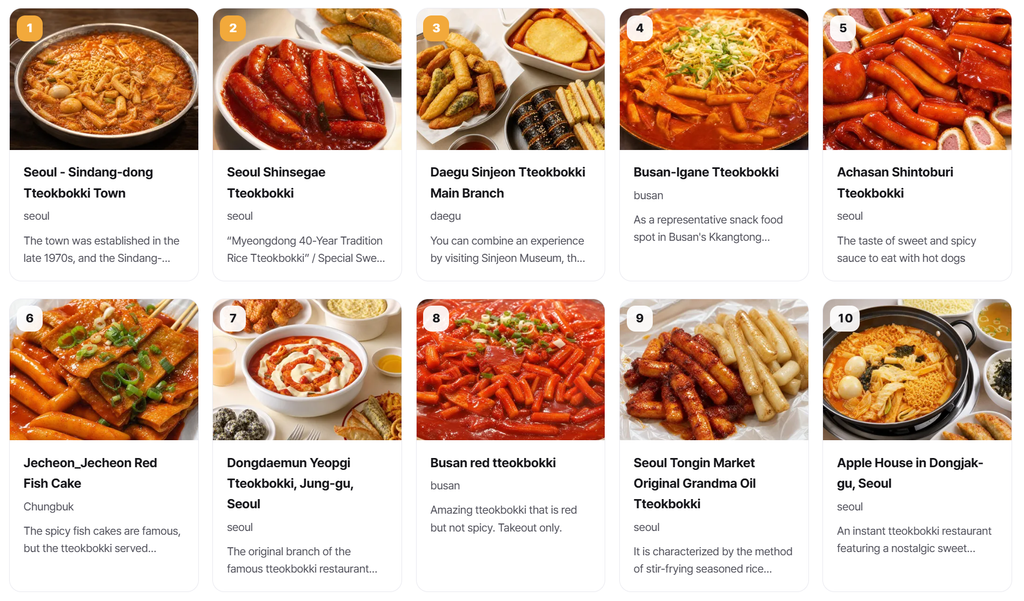
The landscape of tteokbokki is incredibly diverse. We are not just talking about the standard spicy rice cakes in a red sauce. The spectrum ranges from the chewy, traditional garae-tteok found in old-school markets to the modern, creamy rose tteokbokki that has taken social media by storm. The 100 best list acts as a compass, navigating through the spicy, the sweet, the savory, and the experimental, ensuring that both locals and tourists can find a bowl that resonates with their personal palate.
Understanding the Selection Criteria
When curating a list of the 100 best establishments, one must consider more than just the flavor. The criteria often involve a blend of historical significance, consistency, culinary innovation, and the quintessential atmosphere that defines a true Korean eatery. Many of the restaurants featured in this collection are not merely businesses; they are institutions that have served generations of students, office workers, and families.
Historical Significance and Heritage
A significant portion of the top-tier list is occupied by veterans of the industry. These are the spots that have been operating for thirty, forty, or even fifty years. Their inclusion is rarely about flashy interiors or modern marketing. Instead, it is about the mastery of the basics. These establishments often use a secret gochujang base that has been fermented or seasoned over decades. The texture of their rice cakes is perfected through years of trial and error, often sourced from specific local mills that understand the exact density required for the perfect chew.
Consistency and Culinary Performance
One of the hardest metrics to judge is consistency. A restaurant might serve a life-changing bowl of tteokbokki on a Tuesday afternoon, but can they replicate that success during the Friday night rush? The top 100 list prioritizes places that maintain a high standard regardless of the time of day or the season. This involves rigorous quality control, from the freshness of the fish cakes (eomuk) to the precise balance of sweetness in the sauce, often derived from natural ingredients like cabbage, onions, or pears rather than refined sugar.
Features and Characteristics of Top Tier Eateries
What distinguishes a top-tier tteokbokki restaurant from a mediocre one? It often comes down to the synergy between the key components: the rice cake, the sauce, and the accompaniments. The best restaurants in Korea understand that tteokbokki is a symphony, not a solo act.
The Texture of the Rice Cake
The foundation of any great tteokbokki is the rice cake itself. In the best restaurants, you will notice a distinct difference in the bite. The premium establishments often prioritize freshly made garae-tteok, which are thick, long cylinders of rice cake. When cooked, these cakes absorb the sauce while maintaining a firm, bouncy texture. Lower-quality venues often use mass-produced, frozen rice cakes that tend to become mushy or overly soft, losing their integrity within minutes of being served.
The Complexity of the Sauce
The sauce is where the culinary identity of each restaurant is forged. While the base is almost always gochujang (Korean chili paste), the top 100 spots differentiate themselves through secret additives. Some use a broth made from anchovies and dried kelp (dashima) to provide a deep, umami-rich foundation. Others incorporate different types of chili powder—some smoky, some incredibly spicy, and others mild—to create a layered heat profile. The best sauces are not just spicy; they are balanced, leaving a lingering sweetness that encourages you to take the next bite.
The Role of Accompaniments
Tteokbokki is rarely eaten alone. The best restaurants in Korea are famous for their side dishes, or twigim (fried items). A bowl of tteokbokki is incomplete without dipping a crispy, golden-fried dumpling, a slice of sweet potato, or a piece of seaweed roll (gimmari) into the sauce. The top-ranked restaurants ensure that their frying oil is changed frequently, keeping the batter light and crisp, which provides a textural contrast to the soft, chewy rice cakes.
Pros and Cons of Popular Tteokbokki Destinations
Every dining experience has its trade-offs. Understanding the pros and cons of the top-rated spots can help you manage expectations and plan your visit accordingly.
The Advantages of Renowned Eateries
- Cultural Immersion: Dining at these locations often places you in the heart of local life, from bustling traditional markets to hip, trendy districts.
- Value for Money: Despite their fame, most tteokbokki spots remain incredibly affordable, making them one of the most accessible gourmet experiences in the world.
- Reliable Accompaniments: The variety of sides, such as sundae (blood sausage) and eomuk soup, is usually top-notch.
- Unparalleled Flavor Profiles: You are guaranteed a high-quality, authentic experience that represents the pinnacle of the dish.
The Challenges of High Demand
- Limited Seating: Some of the most legendary spots are tiny, hole-in-the-wall locations with very limited table space, which can be uncomfortable for large groups.
- Variable Service Speeds: In the rush of a busy lunch hour, the service can feel brisk or even impatient, which is a common characteristic of high-turnover street food establishments.
- Spiciness Levels: Some of the most acclaimed restaurants are famous specifically for their extreme heat. If you have a low tolerance for spice, you might find the experience overwhelming unless you select the right venue.
- Long Waiting Times: Many of the top 100 spots are incredibly popular. You may find yourself standing in line for thirty minutes to an hour, especially on weekends.
Usage Experience and Performance Analysis
When you visit one of these top 100 restaurants, the experience is often sensory and fast-paced. Unlike fine dining, where you are encouraged to linger, tteokbokki culture is about efficiency and intensity. You walk in, the aroma of chili and broth hits you immediately, and you are usually served within minutes.
The performance of these restaurants is measured by their ability to handle high volume without compromising quality. A top-tier spot will have a massive pot of tteokbokki constantly simmering, with new batches being prepared in real-time. This is a critical performance metric. If the tteokbokki has been sitting too long, the sauce thickens to an almost glue-like consistency and the rice cakes lose their bounce. The best restaurants have mastered the rhythm of the kitchen, ensuring that the product in your bowl is fresh, hot, and perfectly sauced.
Furthermore, the interaction with the staff is part of the experience. Many of these places are family-run. You might see the owner stirring the pot, a family member handling the frying station, and another managing the small dining area. This adds a layer of authenticity that is hard to replicate in larger, franchised operations. The customer service, while not always formal, is usually efficient and rooted in a deep pride for their product.
Comparison with Modern Franchises
It is important to distinguish between the legendary, independent restaurants found in the top 100 and the modern, massive franchises that have sprung up across Korea. While both offer tteokbokki, they serve different purposes.
The top 100 list focuses heavily on independent shops that have cultivated a specific, often singular, recipe. These are places where you go for the “original” taste. In contrast, modern franchises often focus on customization. They offer toppings like mozzarella cheese, bacon, sausages, and various levels of spiciness that can be adjusted on a digital scale. While these franchises are fun and cater to modern tastes, they often lack the soul and the historical depth of the traditional spots.
If you are looking for a quick, reliable, and highly customizable meal with friends, a franchise might be the better choice. However, if you are looking to understand the history of Korean food and taste the authentic, unadulterated version of the dish, you must seek out the restaurants on the 100 best list. The difference is akin to comparing a homemade, grandmother-style stew to a high-end, professionally prepared bistro dish. Both are enjoyable, but they serve different cravings.
Geographic Distribution and Regional Variations
A fascinating aspect of the 100 best restaurants is how they showcase the regional variations of tteokbokki. While Seoul is often considered the center of the tteokbokki universe, other regions offer unique twists that have earned them a spot in the top 100.
Seoul and the Capital Region
In Seoul, you find the greatest variety. From the legendary Sindang-dong area, known for its iconic instant tteokbokki where you cook the dish yourself at the table, to the tiny stalls in Gwangjang Market that serve thick, dark, and incredibly spicy sauces, the capital is the ultimate testing ground. The focus here is often on innovation and the ability to cater to a diverse, global audience.
Busan and the Southern Style
Busan is famous for its unique take on the dish. Often, the rice cakes are much larger, and the sauce is characterized by a slightly different depth, often utilizing more seafood-based stocks. The presence of high-quality fish cakes in Busan is unparalleled, and the best restaurants there incorporate these into the dish in ways that elevate the entire experience. If you are in the south, the top-rated tteokbokki spots there are a mandatory visit for any true enthusiast.
Daegu and Regional Spiciness
Daegu is known for its bold flavors, and its tteokbokki scene is no exception. The sauce in Daegu tends to be more aggressive, often featuring a punchy, lingering heat that is distinct from the sweeter Seoul variations. The top-rated spots in Daegu are favorites for those who truly love the burn of chili, and they offer a perfect example of how regional culture influences the culinary arts.
Tips for Navigating the List
Navigating a list of 100 restaurants requires a strategy. If you are planning a trip to Korea or simply want to explore your local area, consider these tips to make the most of your tteokbokki journey.
- Bring Cash: While many places now accept cards, some of the most traditional, hole-in-the-wall spots in older markets still prefer cash or bank transfers. It is always safe to have some won on hand.
- Order the Set Menu: Most of the best restaurants offer a set menu that includes a mix of tteokbokki, twigim, and sundae. This is usually the best way to get a balanced taste of what the restaurant does best.
- Don’t Be Afraid of the Heat: If you are nervous about the spice, ask for a small portion or see if they offer a milder version. However, don’t miss out on the signature sauce, as that is the heart of the dish.
- Follow the Locals: If you see a place with a long line of locals, it is almost certainly worth the wait. The best indicator of quality in the tteokbokki world is the loyalty of the neighborhood residents.
- Check the Peak Hours: Avoid the lunch rush (12:00 PM to 1:00 PM) and the dinner rush (6:00 PM to 7:00 PM) if you want to avoid the longest lines. Mid-afternoon is often the sweet spot for a relaxed experience.
The Evolution of Tteokbokki as a Global Icon
The rise of the 100 best tteokbokki restaurants list is also a reflection of how the dish has traveled beyond the borders of Korea. As Korean culture has gained global popularity, so has its food. Tteokbokki is now appearing on menus in major cities around the world, from New York to London to Tokyo. However, there is something unique about the experience of eating it in its home country, prepared by experts who have spent their lives perfecting the balance of rice, chili, and broth.
These 100 restaurants serve as the custodians of this tradition. By maintaining their standards and continuing to attract both new and returning customers, they ensure that tteokbokki remains a vibrant, evolving, and beloved part of the Korean culinary identity. Whether you are a casual diner looking for a quick snack or a serious food critic evaluating the nuances of gochujang, these establishments offer a window into the soul of Korean street food.
The beauty of this list is that it is never truly finished. The culinary landscape of Korea is dynamic. New chefs are emerging, old recipes are being rediscovered, and the definition of the perfect tteokbokki continues to expand. As you work your way through the list, you are not just checking off names; you are participating in a living history of taste, texture, and passion. Each restaurant tells a story, and each bowl of tteokbokki is a chapter in the ongoing narrative of a dish that started on the streets and captured the hearts of millions.
Deep Dive into Specialized Tteokbokki Styles
Within the top 100, you will find a fascinating segmentation of styles. While the classic red-sauce tteokbokki is the standard, the list includes experts in various sub-genres that demonstrate the versatility of the dish. Understanding these styles can help you choose which restaurant to visit based on your specific mood.
Gukmul Tteokbokki (Soup-style)
This style features a thinner, more broth-like sauce. It is meant to be eaten with a spoon, allowing you to enjoy the rice cakes alongside the spicy, savory soup. The best restaurants specializing in this style focus on the quality of their stock, often simmering it for hours with dried anchovies, kelp, and occasionally radish. It is a lighter, more refreshing take on the dish and is perfect if you want to enjoy the sauce without the heaviness of a thick reduction.
Juk-tteok or Instant Tteokbokki
Popularized by the Sindang-dong district, this style involves cooking the rice cakes, vegetables, fish cakes, and noodles (usually ramen or glass noodles) directly at your table. The experience is communal and interactive. The best places for this style provide a perfect ratio of ingredients and a sauce that thickens beautifully as the meal progresses. It is more of a full dining experience than a quick snack, often lasting an hour or more as you chat and eat.
Oil Tteokbokki
A rare and cherished variation, particularly associated with the Tongin Market area, oil tteokbokki is stir-fried in a small amount of oil and chili powder rather than being stewed in a liquid sauce. The result is a charred, smoky, and intensely savory rice cake that is completely different from the soft, chewy version you might expect. It is a must-try for those who want to experience the full spectrum of what rice cakes can become when handled by a master of the wok.
The Cultural Impact of the Top 100 List
The existence of a curated list like the 100 best tteokbokki restaurants has a profound impact on the local economy and the preservation of culinary traditions. By shining a spotlight on these establishments, the list helps bring traffic to traditional markets that might otherwise be overlooked by younger generations or tourists. It encourages the owners to keep their doors open and continue their craft, knowing that their hard work is recognized and appreciated by a wider audience.
Furthermore, it creates a sense of community among food lovers. People share their experiences, debate the rankings, and recommend their own favorite hidden gems. This dialogue keeps the culture of tteokbokki alive and evolving. It transforms a simple meal into a topic of conversation, a hobby, and a reason to explore different parts of the country. The list is not just a guide; it is a catalyst for engagement with Korean culture.
In a world where food is increasingly industrialized and homogenized, these 100 restaurants stand as bastions of individuality. They remind us that there is value in the imperfect, the handmade, and the deeply personal. Whether you are visiting a bustling market in Seoul or a quiet alleyway in a provincial city, the effort to find one of these top-tier spots is always rewarded with a taste that is authentic, memorable, and deeply satisfying. It is an invitation to slow down, pull up a plastic stool, and enjoy one of the most iconic dishes in the world, exactly the way it was meant to be eaten.
The Future of Tteokbokki and Culinary Preservation
Looking ahead, the challenge for the top 100 restaurants will be balancing the pressure of modernization with the need to preserve their heritage. As labor costs rise and the workforce changes, many of these small, family-run shops face the question of succession. Who will take over the secret recipes? How will they adapt to changing dietary preferences, such as the demand for vegan or gluten-free options, without losing the essence of the dish?
Despite these challenges, the resilience of the tteokbokki culture is remarkable. We are seeing a resurgence of interest in traditional methods, with younger chefs taking over family businesses and applying modern marketing techniques to traditional products. This blend of old and new is the key to the future. It ensures that the top 100 list will continue to be a living document, reflecting the changing face of Korean society while holding onto the flavors that define its past.
For the traveler or the curious foodie, the journey through the 100 best tteokbokki restaurants is more than just a culinary tour. It is a journey through the heart of Korea. It is about understanding the people, the history, and the simple, profound joy of a well-made meal. Every time you step into one of these restaurants, you are participating in a tradition that is as warm and comforting as the bowl of tteokbokki placed in front of you. So, take your time, savor every bite, and let the flavors of Korea tell their story one rice cake at a time.
The dedication required to make this list is immense, and the quality of the selected restaurants is a testament to the skill and passion of the chefs behind them. Whether you find yourself in a crowded street market or a quiet local haunt, you are part of an ongoing legacy of excellence. The 100 best tteokbokki restaurants are not just places to eat; they are the pillars of a culinary culture that continues to inspire, delight, and unite people from all walks of life. Embrace the experience, and enjoy the delicious diversity that this incredible list has to offer.
[Sources]https://spot100x100.kr/
Master





댓글 0
첫 댓글을 남겨보세요.