
Book a flight ticket at Gimpo Airport
Understanding Gimpo International Airport
Gimpo International Airport serves as a vital transportation hub in South Korea, primarily handling domestic flights that connect Seoul to various regions across the country, including Jeju Island, Busan, Gwangju, and Yeosu. While Incheon International Airport is the primary gateway for long-haul international travel, Gimpo remains a preferred choice for many travelers due to its proximity to downtown Seoul. For those living in the capital, the convenience of reaching the airport via subway or bus in under an hour makes it a significantly more practical option for domestic trips.
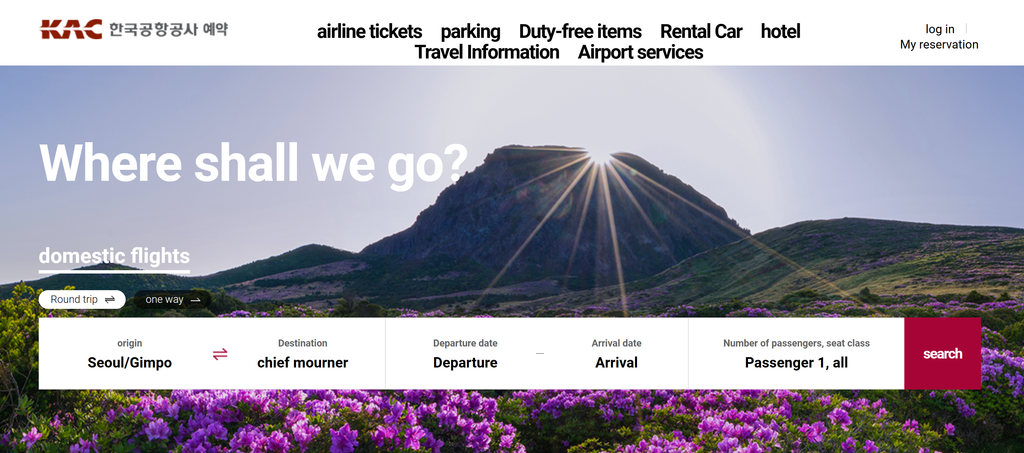
Booking a flight ticket at Gimpo Airport involves a combination of digital convenience and physical navigation. Whether you are a business traveler heading to a meeting in Busan or a tourist looking for a quick getaway to Jeju, understanding the nuances of the booking process, airline selection, and airport logistics will save you time and money. This guide aims to demystify the process of securing your seat and navigating the airport efficiently.
Choosing the Right Airline for Your Journey
Gimpo Airport hosts a variety of airlines, ranging from full-service carriers to low-cost carriers (LCCs). Knowing the difference between these options is the first step in booking a ticket that matches your needs and budget.
Full Service Carriers
Korean Air and Asiana Airlines are the primary full-service carriers operating out of Gimpo. Choosing these airlines often provides a more seamless experience, especially if you have connecting international flights or if you value extra legroom, complimentary snacks, and higher baggage allowance. They are generally more reliable in terms of scheduling and offer superior customer service.
Low Cost Carriers
If you are looking for cost-effective travel, carriers like Jeju Air, Jin Air, Air Busan, and Tway Air are excellent choices. These airlines focus on providing basic transportation at a fraction of the cost of full-service carriers. However, passengers should be aware that these tickets often come with stricter baggage policies and limited onboard services. When booking with an LCC, it is crucial to check the specific weight limits for carry-on and checked luggage to avoid unexpected fees at the airport.
Navigating the Booking Process
In the modern era, booking a flight from Gimpo is almost exclusively done online. While physical ticket counters exist at the airport, they are primarily used for last-minute changes, specialized assistance, or checking in for flights. Relying on digital platforms is the most efficient way to secure your seat.
Utilizing Online Travel Agencies
Online Travel Agencies (OTAs) act as aggregators that compare prices across multiple airlines simultaneously. Platforms like Skyscanner, Trip.com, and Naver Flights are widely used in Korea. These platforms allow you to filter results by price, departure time, and airline preference. Using these tools is highly recommended for travelers who want to see a comprehensive overview of the market before committing to a purchase.
Direct Airline Booking
While OTAs are convenient, booking directly through the airline website has distinct advantages. If you encounter issues such as a flight cancellation or a change in your schedule, dealing directly with the airline’s customer service is often faster and less complicated than going through a third-party intermediary. Additionally, airlines often offer exclusive promotions or mileage accumulation benefits for members who book directly on their official platforms.
Factors Influencing Ticket Prices
Understanding how flight prices fluctuate can help you secure the best deal. Prices at Gimpo are dynamic and respond to several external factors.
- Seasonality: Flights to Jeju Island, for instance, see massive price spikes during public holidays, summer vacations, and weekends. Traveling during the workweek (Tuesday to Thursday) is almost always cheaper than traveling on Friday afternoons or Sunday evenings.
- Advance Booking: Generally, booking at least two to four weeks in advance yields the best prices. Last-minute bookings are often available but usually come at a premium, especially on popular routes.
- Time of Day: Early morning or late-night flights are often priced lower than peak midday slots. If you are a flexible traveler, opting for a 6:00 AM departure can significantly reduce your travel expenses.
Practical Tips for a Smooth Experience at Gimpo
Once your ticket is booked, the focus shifts to the airport experience. Gimpo is known for being more compact and user-friendly than Incheon, but there are still specific things you should know to avoid stress.
Arriving at the Airport
Domestic flights require less lead time than international ones, but you should still arrive at least 60 to 90 minutes before your scheduled departure. This provides enough time to navigate through security, especially if you are traveling during peak hours or holidays. Remember that the security lines can become long during morning rush hours when business travelers are heading to their destinations.
Check-in Procedures
Most travelers now use web check-in or mobile boarding passes. By checking in online 24 hours before your flight, you can skip the long lines at the check-in counters. If you have luggage to check, head directly to the “baggage drop” counter. Many airlines have automated kiosks where you can print your own baggage tags, further speeding up the process.
Transportation to Gimpo
Gimpo is incredibly well-connected. The Seoul Subway Line 5, Line 9, and the Airport Railroad Express (AREX) all stop at Gimpo Airport. For those coming from Gangnam, the express subway line is a game-changer. Alternatively, the city bus network offers various routes that drop passengers directly in front of the domestic terminal. Taxis are also readily available, though they are the most expensive way to reach the airport.
Common Misconceptions and Facts
There are many myths surrounding domestic air travel in Korea that can lead to confusion for new travelers. Addressing these is essential for a stress-free trip.
Myth: You need a passport for domestic flights
Fact: For domestic flights within South Korea, you do not need a passport if you are a Korean citizen; a government-issued ID card or driver’s license is sufficient. For foreign residents, an Alien Registration Card (ARC) is required. For tourists, a passport is the standard document required for identity verification at security.
Myth: The domestic terminal and international terminal are in the same building
Fact: While they are close to each other, they are separate facilities. If you have booked a flight, ensure you check whether it is a domestic or international flight, as going to the wrong building can cause you to miss your flight due to the time it takes to walk between them.
Myth: You can bring liquids on domestic flights
Fact: Unlike international flights, there are fewer restrictions on liquids for domestic flights in Korea. You can generally bring water bottles, coffee, or even larger toiletry items through security without the 100ml limitation, provided they are not prohibited items like sharp objects or flammable substances.
Expert Advice for Frequent Travelers
Frequent travelers often develop habits that make their airport experience seamless. Here are some professional tips to consider:
- Join Airline Loyalty Programs: Even if you do not fly frequently, signing up for an airline’s mileage program is free. Over time, these points can add up to free flights or cabin upgrades.
- Use the Automated Gate: If you are a Korean resident or have registered your biometric information, use the automated security gates. It is significantly faster than the manual identity check lanes.
- Pack Light: The most practical way to save time at Gimpo is to travel with carry-on luggage only. This allows you to skip the baggage claim area entirely upon arrival at your destination, saving you 20 to 30 minutes per trip.
- Monitor Flight Status: Download the official app of the airline you are flying with. They will send real-time notifications about gate changes, delays, or cancellations directly to your phone.
Frequently Asked Questions About Gimpo Flights
How far in advance should I be at the gate?
It is recommended to be at the boarding gate at least 20 to 30 minutes before your scheduled departure. Domestic boarding usually closes 10 to 15 minutes before the flight leaves, and the doors are shut strictly.
What if I miss my flight?
If you miss your flight due to your own delay, head to the airline’s service counter immediately. Depending on your ticket type, you may be able to rebook for a fee. Some flexible tickets allow for free changes, while others may require you to purchase a completely new ticket.
Are there lounge facilities at Gimpo?
Yes, there are lounges available for travelers, particularly those flying with full-service carriers or those who hold specific credit cards that offer lounge access. These provide a quiet space to work or relax before your flight.
Is Wi-Fi available at the airport?
Yes, Gimpo Airport provides free public Wi-Fi throughout the terminal. You can easily connect to the airport’s network to check emails or browse the web while waiting for your flight.
What happens if my flight is canceled due to weather?
Weather conditions, especially in Jeju, can sometimes lead to flight cancellations. In such cases, the airline will typically notify you via text or email. You should follow the instructions provided by the airline, which usually involve rebooking your flight for the next available slot at no additional cost.
Cost Effective Utilization Methods
Traveling on a budget requires a strategic approach to booking. Here are ways to maximize your savings when flying from Gimpo.
- Compare Multiple Platforms: Never book the first flight you see. Check both an OTA and the airline’s own website. Sometimes, the airline offers a “web-only” discount that is not reflected on third-party sites.
- Consider Off-Peak Travel: If you have the flexibility, traveling on Tuesdays or Wednesdays can save you up to 30-40% compared to weekend flights.
- Book Round Trips: While not always the case, some airlines offer slight discounts for booking a round-trip ticket compared to two one-way tickets.
- Watch for Promotional Periods: Airlines frequently run “early bird” promotions or special sales during the off-season. Signing up for airline newsletters can give you an early heads-up on these deals.
- Use Credit Card Benefits: Many Korean credit cards offer travel rewards, airport lounge access, or discounts on domestic flight bookings. Review your card’s benefits to see if you can leverage them for your trip.
Managing Baggage and Special Items
Handling luggage correctly is a major part of the flight experience. At Gimpo, the baggage policies are generally generous for domestic travel, but they vary by airline and ticket class.
Standard Baggage Allowance
Most airlines allow a certain amount of free checked baggage (usually 15kg to 20kg). However, if you are flying on a “discount” or “super-save” fare, you might find that no free checked baggage is included. Always check your ticket terms to see if you need to pre-purchase baggage allowance, as paying for extra weight at the airport counter is significantly more expensive than doing it online beforehand.
Oversized and Fragile Items
If you are traveling with sports equipment, musical instruments, or fragile items, you must inform the airline in advance. There are specific procedures for handling these items to ensure they are not damaged during loading. Some items may require a special handling fee, so it is best to check the airline’s policy on the website before you head to the airport.
Dining and Shopping at the Airport
Gimpo Airport is not just a place to catch a plane; it is a facility with various amenities. If you arrive early, you can enjoy a wide range of dining options.
Food Options
The domestic terminal houses several restaurants, cafes, and snack bars. Whether you want a quick coffee from a chain like Starbucks or a full Korean meal, you have plenty of choices. Pricing inside the airport is generally comparable to prices in the city, which is a pleasant difference compared to many international airports where food is significantly marked up.
Shopping
There are convenience stores, souvenir shops, and bookstores located throughout the terminal. These are useful for picking up last-minute items like travel-sized toiletries, snacks, or gifts. The presence of these shops adds to the convenience of Gimpo, ensuring that you can handle any small requirements without needing to leave the airport premises.
The Future of Domestic Travel at Gimpo
The landscape of air travel at Gimpo is constantly evolving. As technology advances, we are seeing more integration of digital solutions into the airport experience. From facial recognition boarding to more efficient baggage handling systems, the airport continues to upgrade its infrastructure to handle the high volume of domestic passengers.
For the average traveler, these changes mean a smoother, faster, and more predictable experience. Staying updated with the latest changes in airport procedures, such as new security technology or updated baggage policies, will keep you ahead of the curve. By remaining informed and planning your trips with these insights, you can turn a potentially stressful travel day into a routine and efficient part of your journey.
Final Considerations for Your Trip
When booking your flight ticket at Gimpo, remember that the experience is what you make of it. By choosing the right airline, booking at the right time, and arriving prepared, you minimize the risks of delays and frustrations. The domestic flight network in Korea is one of the most efficient in the world, and Gimpo Airport stands at the center of it. Whether you are traveling for work or leisure, the information provided here serves as a comprehensive roadmap to navigating the booking process and ensuring your time at the airport is productive and comfortable.
Always keep your digital boarding pass accessible, ensure your identification is valid, and keep an eye on your airline’s updates. As you become more familiar with the terminal layout and the booking platforms, you will find that traveling through Gimpo becomes second nature, allowing you to focus on the purpose of your trip rather than the logistics of getting there.
The Importance of Flexibility in Scheduling
One of the most valuable pieces of advice for anyone booking a flight out of Gimpo is to maintain a degree of flexibility whenever possible. Even with the best planning, domestic travel can be subject to unexpected delays, whether due to weather patterns over the Korean peninsula or technical issues with aircraft. When you book your ticket, look for options that offer some degree of flexibility in terms of cancellation or rebooking.
Many airlines offer different “fare classes” for the same flight. While the lowest fare class might seem tempting, it often comes with strict “non-refundable” or “no-change” policies. If your schedule is prone to change, paying a slightly higher price for a “flexible” fare class can save you a significant amount of money in the long run. This is especially true for business travelers whose meetings might run over time or for families whose plans might need to be adjusted due to unforeseen circumstances.
Understanding the Airport Layout
Gimpo Airport’s domestic terminal is laid out in a way that is designed for efficiency. Upon entering, you will typically find the check-in counters on the departure level. The security checkpoint is centrally located, providing easy access to all boarding gates. Understanding this layout before you arrive can save you unnecessary walking.
If you have mobility issues or are traveling with young children, be aware that the airport provides various services to assist you. From wheelchair rentals to family-friendly waiting areas, these services are designed to make the airport accessible to everyone. If you require special assistance, it is always a good idea to contact the airline or the airport information desk before your arrival to ensure that the necessary arrangements are in place.
Technology and Efficiency
The integration of technology into the Gimpo experience has been a major focus in recent years. The move toward “contactless” travel is evident in the increased use of mobile boarding passes and self-service kiosks. These tools not only reduce the need for physical interaction but also significantly speed up the processing time for passengers.
By downloading your airline’s app, you can often gain access to features that go beyond just booking. Many apps provide maps of the airport, notifications about your gate, and even information on current security wait times. Utilizing these digital tools is essentially like having a personal assistant for your travel day. It is highly recommended to set up your account and familiarize yourself with the app’s features well before the day of your flight.
Strategic Timing for Holiday Travel
Traveling during major Korean holidays like Chuseok (Korean Thanksgiving) or Seollal (Lunar New Year) requires a different strategy. During these times, demand for flights from Gimpo to provinces surges. If you are planning to travel during these periods, it is crucial to book as early as possible—often months in advance. Tickets for these dates sell out extremely quickly, and prices are at their highest.
If you are unable to secure a flight during a peak holiday period, consider alternative transportation methods like the KTX (high-speed train). While the KTX also sees high demand, it provides an alternative that can be just as efficient as flying, especially when you factor in the time spent getting to and through the airport. Comparing the total travel time and cost between air and rail is a smart practice for any domestic traveler in Korea.
Refining Your Travel Style
As you gain more experience flying out of Gimpo, you will likely refine your own travel style. Some people prefer to arrive at the airport with plenty of time to spare, enjoying a meal and browsing the shops. Others prefer to arrive at the last possible minute, moving quickly from the taxi to the gate. Regardless of your preference, the key is consistency. By establishing a routine that works for you, you reduce the cognitive load of travel, making your trips more enjoyable.
Remember that the goal of any flight is to get you to your destination safely and comfortably. By focusing on the practical steps—booking wisely, packing efficiently, and staying informed—you ensure that your experience at Gimpo Airport contributes positively to your overall travel experience. With its convenient location and high standards of service, Gimpo remains a premier choice for domestic travel in South Korea, and with the right approach, it can be a seamless part of your daily or professional life.
The Value of Local Knowledge
While this guide covers the technical aspects of booking and navigating Gimpo, there is also value in local insights. For example, knowing which exits at the subway station lead closest to the terminal or understanding the best time of day to avoid traffic when taking a bus to the airport can make a real difference. These small details, learned through experience, turn a traveler into an expert.
Don’t be afraid to ask for help if you are unsure about something. The staff at Gimpo Airport are generally very helpful, and there are information desks located throughout the terminal. Whether you need help with your boarding pass, information on gate locations, or assistance with a lost item, there is always someone available to guide you. Navigating the airport is a skill, and like any skill, it improves with practice and curiosity.
Master






댓글 0
첫 댓글을 남겨보세요.