
Where Can You Buy the Kia PV5? Global Launch Timeline
Understanding the Kia PV5 Platform
The automotive industry is currently undergoing a massive shift toward electrification and modular design. Among the most anticipated vehicles in this new era is the Kia PV5. Unlike traditional cars that are built for a single purpose, the PV5 is the flagship model of Kia’s Platform Beyond Vehicle, or PBV, strategy. This vehicle is designed to be a chameleon, capable of transforming from a delivery van to a ride-sharing shuttle or a personal mobile office depending on the needs of the owner.
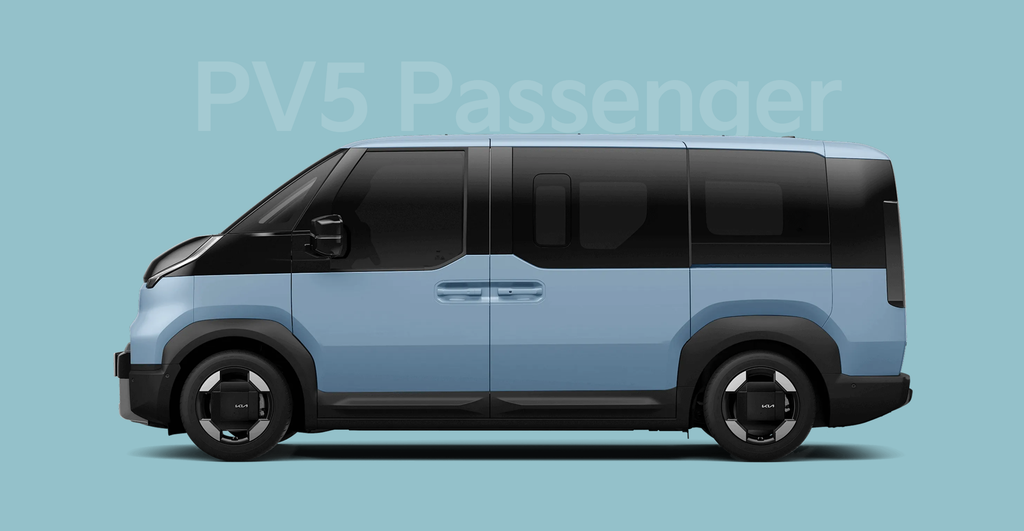
For individuals and business owners wondering where they can purchase or lease this vehicle, it is important to first understand that the PV5 is not a standard passenger car. It is a purpose-built mobility solution. Because of this, the purchasing journey will differ significantly from walking into a local dealership and picking out a sedan or an SUV. The PV5 is engineered for high-utilization environments, meaning it is designed to be durable, easily serviced, and highly configurable.
The importance of this vehicle lies in its versatility. In an era where gig work, small business logistics, and urban mobility are becoming increasingly complex, the PV5 offers a single hardware solution that can be software-defined and physically adapted. This means that if you are a logistics provider, you could use the same chassis for a cargo van during the day and a passenger transporter in the evening, provided you have the modular components to swap out.
Global Launch Timeline and Availability
Kia has structured a phased global rollout for its PBV lineup, with the PV5 leading the charge. As of the latest industry updates, the production schedule is heavily focused on the South Korean market first, followed by a strategic expansion into North America and Europe. The global launch timeline is designed to ensure that the necessary infrastructure, such as charging networks and specialized service centers, is in place before the vehicles hit the roads in larger volumes.
The initial production phase is expected to commence in South Korea at a dedicated PBV facility. This “E-Fore” plant is a high-tech manufacturing hub that utilizes modular production methods. Following the domestic launch, the company plans to scale production to meet the demands of international markets. Potential buyers should anticipate the following rollout phases:
- Phase One: Domestic South Korean market launch, focusing on fleet operators and early commercial adopters.
- Phase Two: Expansion into European markets, where demand for compact, electric commercial vehicles is high due to urban congestion policies.
- Phase Three: North American market arrival, likely targeting logistics companies, ride-hailing services, and specialized commercial fleets.
- Phase Four: Global availability, including broader access for individual consumers who want to utilize the vehicle for specialized lifestyle purposes, such as camping or mobile living.
Because the launch is phased, availability will vary significantly by region. If you are a business operator in Europe or North America, you should be looking for announcements from Kia Business or Kia Fleet divisions rather than browsing standard consumer inventory pages on retail websites.
How to Purchase or Lease the PV5
Purchasing a vehicle like the Kia PV5 involves a different procurement process compared to buying a standard consumer car. Since the PV5 is part of a business-oriented ecosystem, the sales channels are tailored toward B2B relationships. However, as the platform matures, Kia is expected to open up pathways for private buyers.
Most early adopters will interact with Kia through a fleet sales representative. This is beneficial for the buyer because it often includes support for fleet management software, maintenance contracts, and charging infrastructure installation. If you are an individual interested in the PV5, you should monitor the official Kia PBV website, which serves as the central hub for information on how to register interest or join a waitlist.
Key avenues for acquisition include:
- Direct Fleet Sales: Large companies and logistics providers will work directly with Kia’s regional corporate offices to secure large orders.
- Certified Commercial Dealerships: Kia is expected to designate specific dealerships as “PBV Centers.” These locations will be equipped with specialized tools and technicians trained to handle the modular nature of the PV5.
- Online Configuration and Ordering: As the platform grows, Kia is building a digital interface that allows users to select their modular components online, similar to how one might customize a high-end computer.
Practical Applications in Daily Life
The PV5 is not just for businesses. Its design philosophy makes it an incredibly attractive option for individuals who live non-traditional lifestyles. Imagine a vehicle that can be configured as a cargo hauler for your weekend DIY projects, a mobile office for your remote work, or a recreational vehicle for cross-country travel. The “Easy Swap” technology allows for the upper body of the vehicle to be changed, meaning the chassis remains the same while the purpose changes.
For daily life, this modularity offers several practical benefits:
- Reduced Ownership Costs: Instead of owning a cargo van and a passenger vehicle, you own one chassis with two different rear modules. This reduces insurance, registration, and maintenance overhead.
- Future Proofing: As your needs change—perhaps you start a small business or your family grows—you don’t need to sell your car. You simply swap the module to match your new requirements.
- Improved Efficiency: The vehicle is built from the ground up as an electric platform, meaning it is designed to maximize interior space while maintaining a small exterior footprint, making it ideal for tight city parking.
Common Misconceptions and Facts
When a new vehicle category like the PBV is announced, misconceptions are inevitable. Clearing these up will help you make a better decision about whether the PV5 is right for you.
Misconception One: The PV5 is just an electric minivan
While it may look like a van, calling it a minivan is a significant undersell. A minivan is a static design. The PV5 is a modular platform. The difference is akin to comparing a fixed-purpose tool like a hammer to a multi-tool. The PV5’s hardware and software are integrated to allow for rapid changes in function.
Misconception Two: It will be available at every Kia dealer immediately
Because the PV5 requires specialized service and potentially different sales staff, it will not be available at every local dealership on day one. Kia is being strategic about where they roll out the service centers to ensure that owners have access to the specialized maintenance needed for a modular vehicle.
Misconception Three: It is only for big corporations
While the initial launch focuses on fleets, the ultimate goal of the PBV strategy is to democratize mobility. Kia has explicitly stated that they intend for these vehicles to be useful for individuals, small business owners, and creative professionals. The barrier to entry for individuals is primarily the initial production capacity, not the intended target market.
Expert Advice on Preparing for Your Purchase
If you are serious about acquiring a PV5, you should take steps now to prepare your infrastructure and your finances. Experts in the automotive and fleet management space suggest the following:
First, assess your charging infrastructure. Whether you are a business or a private user, the PV5 is an electric vehicle. If you plan to use it for heavy-duty work, you will need a reliable Level 2 or Level 3 charging solution at your home or place of business. Do not wait until you have the vehicle to investigate the electrical requirements of your property.
Second, stay informed through official channels. Sign up for newsletters or alerts on the Kia PBV website. Because this is a high-demand vehicle with a phased rollout, being on a priority list or receiving early notifications can make a significant difference in your lead time. Avoid relying solely on third-party news outlets, as official communications from Kia will contain the most accurate information regarding delivery windows.
Third, consider the financing aspect. Because this is a modular system, financing might work differently than a standard car loan. You may need to finance the chassis and the modules separately, or you might find that leasing is a more flexible option. Many fleet operators prefer leasing because it allows them to upgrade their modules as the technology evolves, ensuring they always have the latest, most efficient equipment.
Cost Effective Utilization Methods
To get the most value out of the PV5, you must view it as an investment rather than just a depreciating asset. The modularity allows for “asset optimization.” If you are a small business owner, you can maximize the vehicle’s utility by ensuring it is being used during more hours of the day. For example, use it as a delivery vehicle during peak business hours and switch the module for a ride-share or mobile commerce setup during off-peak hours.
Another cost-effective strategy is to participate in the Kia software ecosystem. The PV5 is designed to be a “software-defined vehicle.” This means it will receive over-the-air updates that can improve battery efficiency, refine driving dynamics, and even unlock new features within the vehicle’s cabin. By keeping your software up to date, you extend the life of the vehicle and keep its performance relevant for years to come.
Furthermore, look into potential government incentives. Many countries and states offer significant tax credits or rebates for the purchase of electric commercial vehicles. Because the PV5 is being positioned as a commercial-grade solution, it may qualify for incentives that standard consumer EVs do not, or it may benefit from business-specific tax write-offs related to capital equipment depreciation.
Frequently Asked Questions
Is the Kia PV5 available for individual purchase?
Yes, the vision for the PBV lineup includes individual users. However, the initial rollout is heavily prioritized for commercial and fleet partners. Keep an eye on the official Kia PBV portal for announcements regarding retail availability in your specific region.
Can I swap the modules myself?
The “Easy Swap” technology is designed to be efficient, but it is likely that for safety and warranty reasons, module swaps will initially be performed by authorized service centers. As the technology matures, it is possible that certified owners may be able to perform certain swaps, but for now, assume it requires professional assistance.
How does the range compare to other electric vans?
The PV5 is built on a dedicated EV platform, which generally allows for more optimized battery placement and better aerodynamics than vans converted from internal combustion platforms. While exact range figures depend on the specific module and load, the PV5 is designed to be competitive with top-tier electric commercial vehicles currently on the market.
Will there be different sizes of the PV5?
The PV5 is part of a larger family. While the PV5 is the primary model, Kia has hinted at a range of sizes within the PBV lineup, including smaller and larger variants to accommodate different payload and passenger requirements. The PV5 is intended to be the “mid-size” or core offering that fits the widest range of use cases.
Where can I find a service center for the PV5?
Kia is currently establishing a network of PBV-certified service centers. These will be distinct from standard service departments. You will be able to locate these through the Kia dealer locator once the vehicle is officially launched in your market.
The Future of Modular Transportation
The launch of the Kia PV5 represents more than just a new vehicle; it represents a fundamental change in how we think about transportation. By decoupling the chassis from the body, Kia is moving toward a future where vehicles are no longer static objects but dynamic tools that can adapt to our changing lives. Whether you are a business looking to optimize your fleet or an individual looking for a vehicle that can grow with you, the PV5 is a development worth watching.
As you navigate the process of learning about and potentially acquiring a PV5, remember that patience is key. This is a complex product launch involving new manufacturing technologies and a new service model. By staying connected to official updates, preparing your infrastructure, and understanding the modular benefits, you will be well-positioned to leverage this technology when it becomes available in your area. The era of the Platform Beyond Vehicle is just beginning, and the PV5 is the first step into a more flexible, efficient, and personalized future of mobility.
Strategic Planning for Prospective Owners
For those who are genuinely interested in the PV5, the period leading up to the launch is the perfect time for strategic planning. This goes beyond just checking a bank account. It involves analyzing how the vehicle will fit into your specific operational needs. If you are a business owner, start by auditing your current vehicle usage. Track your daily mileage, your typical cargo volumes, and the downtime of your current vehicles. This data will be invaluable when you speak with a Kia representative about which module configurations will best suit your needs.
If you are an individual, think about your lifestyle. Do you frequently take trips that require a specific setup? Do you have hobbies that require specialized storage? The PV5 is a tool that rewards those who plan ahead. By identifying the specific modules you need, you can ensure that your order is tailored to your requirements from day one, rather than trying to adapt the vehicle later.
Furthermore, consider the resale and longevity aspect. Because the PV5 is modular, it potentially has a much longer functional lifespan than a traditional vehicle. If you decide you no longer need the vehicle for its original purpose, you don’t necessarily have to sell the whole unit. You could potentially sell or trade the module while keeping the chassis, or vice versa. This creates a secondary market for modules that could keep your costs low over the long term.
Navigating the E-Fore Manufacturing Ecosystem
An interesting aspect of the PV5 is its production at the E-Fore facility. This isn’t just a marketing term; it represents a shift toward “cell-based” production. Instead of a traditional assembly line where a car moves along a conveyor belt, the vehicle is built in a cell. This allows for higher customization and faster adaptation to new requirements.
For the buyer, this means that the lead times for custom orders might be shorter than what we are used to in the automotive industry. In the past, customizing a vehicle meant waiting for the factory to retool or for specific parts to be allocated to your build. With the cell-based approach, Kia can theoretically produce different configurations of the PV5 side-by-side without slowing down the overall production pace. This is a massive win for efficiency and suggests that the company is serious about meeting diverse market demands.
The Role of Software in the PV5 Experience
We cannot discuss the PV5 without highlighting the role of software. In many ways, the software is the “brain” that makes the modularity possible. When you swap a module, the vehicle’s central computer must recognize the change and adjust the driving dynamics, the interior interface, and even the safety features accordingly. This requires a sophisticated software architecture that is capable of handling these changes seamlessly.
For the user, this means that your experience with the vehicle will improve over time. Kia is investing heavily in their software division, and owners can expect regular updates that could add features like improved route planning for delivery drivers, better energy management for long-distance travel, and enhanced connectivity for mobile office setups. When purchasing, ensure you understand the subscription models, if any, that might be associated with these advanced software features, as they will be a part of the total cost of ownership.
Infrastructure and Charging Considerations
As with any electric vehicle, the PV5’s utility is tied to your ability to charge it. However, because the PV5 is likely to be used for more intensive purposes than a standard commuter car, your charging needs might be higher. If you are using the vehicle for business, you may need a high-speed charging solution that can top up the battery during a lunch break or between shifts.
Kia is working on integrating the PV5 into broader charging ecosystems. This means you won’t just be reliant on your home charger; you will likely have access to a network of public chargers that are optimized for commercial vehicles. When researching your local area, look for high-capacity charging stations that are compatible with the PV5’s charging standard. Understanding the charging speed and the availability of these stations will be critical to your daily operations.
Making the Most of Your Investment
To truly maximize the benefits of the PV5, you should consider joining user communities or forums once the vehicle hits the market. Early adopters will likely share tips on how to best configure the modules, how to manage battery life under different loads, and how to troubleshoot common issues. Learning from the experiences of others can save you time and money and help you discover new ways to use your vehicle that you might not have considered.
Finally, remember that the PV5 is a long-term play. Kia is positioning this as a foundational element of their future identity. By investing in the PV5, you are not just buying a car; you are buying into a system that is designed to evolve. As the technology matures, you can expect to see new modules, new software features, and new services that will keep your vehicle at the cutting edge of mobility. Keep an open mind, stay informed, and be ready to adapt as the platform grows.
Final Considerations for Potential Buyers
As you move forward in your journey toward potentially owning or leasing a Kia PV5, remember that this is an unprecedented time in the automotive world. The shift from fixed-purpose vehicles to modular, software-defined platforms is a significant leap. While the wait for the global rollout might feel long, the potential benefits in terms of versatility, efficiency, and future-proofing are immense.
Take the time to engage with your local Kia representative, ask questions about the modularity, and stay updated on the official news. Whether you are a business owner looking to transform your logistics or an individual seeking a new way to live and travel, the PV5 offers a glimpse into a future where our vehicles are as adaptable as we are. By being prepared, informed, and strategic, you will be ready to make the most of this innovative mobility solution when it arrives in your market.
Master





댓글 0
첫 댓글을 남겨보세요.