When Is the Best Season to Travel to Korea?
Hi everyone! Today I want to break down, season by season, the question “when’s the best time to visit Korea?” I’ve put together everything from weather and scenery to festivals, so hopefully this helps with your trip planning.
Short answer: spring (April–May) and fall (September–October) are the safest bets
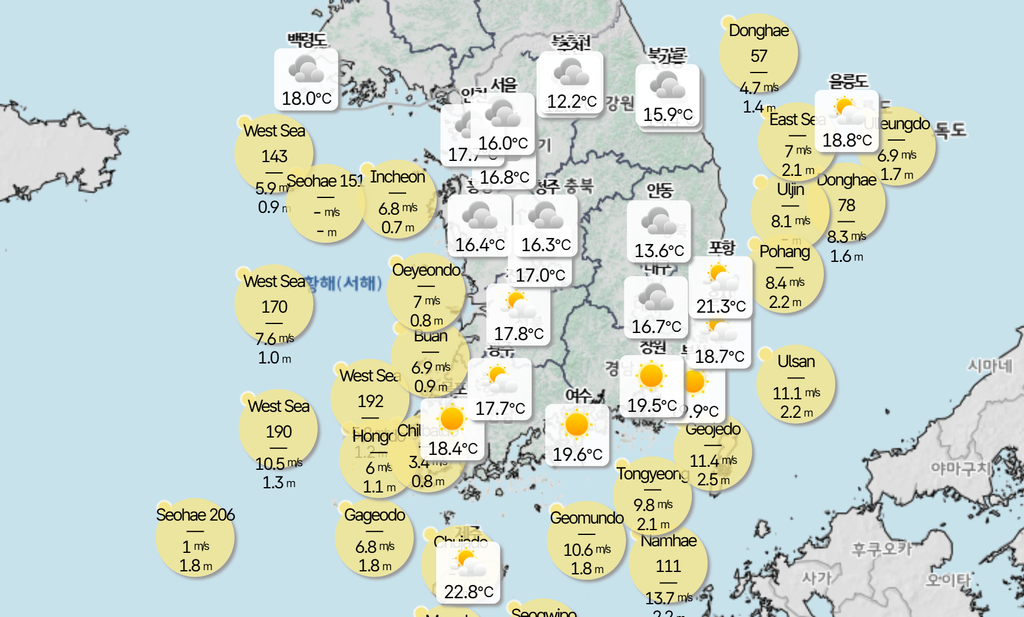
Looking purely at climate, May–June and September–October tend to have the most comfortable temperatures — not too hot, not too cold, and relatively low rainfall. That makes them great for walking tours and outdoor activities. For first-time visitors especially, spring and fall are usually the top recommendation.
Spring (March–May): Kick things off with cherry blossoms
Spring means cherry blossoms, plain and simple. Bloom timing varies a bit by region:
- Gyeongnam (Jinhae Gunhangje Festival, Hadong Ssanggyesa): late March–early April
- Jeonnam (Boseong green tea fields, Damyang Metasequoia Road): early–mid April
- Seoul/Gyeonggi (Yeouiro along the Han River, Seokchon Lake, Yangjaecheon Stream): early–mid April
Gyeongju is a great pick since cherry blossoms bloom alongside historic sites like Bulguksa Temple and Cheomseongdae. Jeju’s eastern coast (Seongsan Ilchulbong, Seopjikoji) is another favorite — cherry blossoms and canola flowers bloom at the same time, making for really vivid scenery.
One thing to keep in mind: spring has big temperature swings between morning/evening and daytime, so pack a light jacket. Popular blossom spots also get crowded on weekends, so weekdays or early mornings are your friend.
Summer (June–August): Lush green scenery, but watch out for monsoon season
Summer is when the city parks and mountains are at their greenest. That said, late June through mid-July is monsoon season with frequent rain, and July–August can get quite hot and humid, which can make outdoor-heavy itineraries a bit tough. Consider leaning on valleys, water parks, and indoor attractions instead. On the plus side, flights and accommodation tend to be cheaper this time of year.
Fall (September–November): Foliage season — honestly my personal favorite
Fall is a must for the autumn foliage alone. Here’s roughly when different areas peak:
- Seoraksan: mid-October
- Sobaeksan: late October–early November
- Jirisan: late October–early November
- Naejangsan (Jeongeup, Jeollabuk-do): early November — one of the country’s most famous foliage spots
- Bukhansan: early–mid November
- Hallasan, Jeju: mid-November
Naejangsan is famous for its “maple tunnel,” and during peak weekends the cable car line can stretch out from early morning, so it’s worth getting there early. Weather-wise, fall is cool and pleasant (daytime highs around 15–22°C/59–72°F) with lots of clear skies — great for photos too.
Winter (December–February): Snow and lights bring their own charm
Winter is cold, but there’s a special charm to snow-covered palaces and the city’s winter light displays. It’s also ski and snowboard season, and around Christmas and New Year’s, downtown areas get decked out, making it a nice time for night-view sightseeing. Just make sure to bundle up if you’ll be outdoors for extended periods.
Quick summary by goal
| Goal | Recommended season |
|---|---|
| Comfortable weather, easy first trip | Spring (Apr–May), Fall (Sep–Oct) |
| Cherry blossoms | Late March–mid April |
| Fall foliage | Mid-October–mid-November |
| Cheaper flights & hotels | Peak summer (Jul–Aug), peak winter (Jan–Feb) |
| Winter atmosphere, skiing | Dec–Feb |
FAQ
Q. What’s the exact best time to visit Korea? Overall, May–June and September–October are considered the most comfortable climate-wise. But if cherry blossoms are your goal, aim for April; for foliage, mid-October through November is more precise.
Q. Should I avoid monsoon season? If your itinerary is heavy on outdoor activities, it’s best to avoid the monsoon period (roughly late June to mid-July). If you’re planning mostly indoor activities, it’s not a huge issue.
Q. Does peak foliage happen on the exact same dates every year? Not quite — it can shift by a few days depending on that year’s temperatures. It’s worth checking real-time foliage updates from the Korea Meteorological Administration or national park websites about 1–2 weeks before your trip.
At the end of the day, the best season really depends on what you want to see. Cherry blossoms → spring, foliage → fall, and if budget is the priority, shoulder seasons like early summer or early winter aren’t bad either. Pick based on what matters most to you!
When Is the Best Season to Travel to Korea?
Hi everyone! Today I want to break down, season by season, the question “when’s the best time to visit Korea?” I’ve put together everything from weather and scenery to festivals, so hopefully this helps with your trip planning.
Short answer: spring (April–May) and fall (September–October) are the safest bets
Looking purely at climate, May–June and September–October tend to have the most comfortable temperatures — not too hot, not too cold, and relatively low rainfall. That makes them great for walking tours and outdoor activities. For first-time visitors especially, spring and fall are usually the top recommendation.
Spring (March–May): Kick things off with cherry blossoms
Spring means cherry blossoms, plain and simple. Bloom timing varies a bit by region:
- Gyeongnam (Jinhae Gunhangje Festival, Hadong Ssanggyesa): late March–early April
- Jeonnam (Boseong green tea fields, Damyang Metasequoia Road): early–mid April
- Seoul/Gyeonggi (Yeouiro along the Han River, Seokchon Lake, Yangjaecheon Stream): early–mid April
Gyeongju is a great pick since cherry blossoms bloom alongside historic sites like Bulguksa Temple and Cheomseongdae. Jeju’s eastern coast (Seongsan Ilchulbong, Seopjikoji) is another favorite — cherry blossoms and canola flowers bloom at the same time, making for really vivid scenery.
One thing to keep in mind: spring has big temperature swings between morning/evening and daytime, so pack a light jacket. Popular blossom spots also get crowded on weekends, so weekdays or early mornings are your friend.
Summer (June–August): Lush green scenery, but watch out for monsoon season
Summer is when the city parks and mountains are at their greenest. That said, late June through mid-July is monsoon season with frequent rain, and July–August can get quite hot and humid, which can make outdoor-heavy itineraries a bit tough. Consider leaning on valleys, water parks, and indoor attractions instead. On the plus side, flights and accommodation tend to be cheaper this time of year.
Fall (September–November): Foliage season — honestly my personal favorite
Fall is a must for the autumn foliage alone. Here’s roughly when different areas peak:
- Seoraksan: mid-October
- Sobaeksan: late October–early November
- Jirisan: late October–early November
- Naejangsan (Jeongeup, Jeollabuk-do): early November — one of the country’s most famous foliage spots
- Bukhansan: early–mid November
- Hallasan, Jeju: mid-November
Naejangsan is famous for its “maple tunnel,” and during peak weekends the cable car line can stretch out from early morning, so it’s worth getting there early. Weather-wise, fall is cool and pleasant (daytime highs around 15–22°C/59–72°F) with lots of clear skies — great for photos too.
Winter (December–February): Snow and lights bring their own charm
Winter is cold, but there’s a special charm to snow-covered palaces and the city’s winter light displays. It’s also ski and snowboard season, and around Christmas and New Year’s, downtown areas get decked out, making it a nice time for night-view sightseeing. Just make sure to bundle up if you’ll be outdoors for extended periods.
Quick summary by goal
| Goal | Recommended season |
|---|---|
| Comfortable weather, easy first trip | Spring (Apr–May), Fall (Sep–Oct) |
| Cherry blossoms | Late March–mid April |
| Fall foliage | Mid-October–mid-November |
| Cheaper flights & hotels | Peak summer (Jul–Aug), peak winter (Jan–Feb) |
| Winter atmosphere, skiing | Dec–Feb |
FAQ
Q. What’s the exact best time to visit Korea? Overall, May–June and September–October are considered the most comfortable climate-wise. But if cherry blossoms are your goal, aim for April; for foliage, mid-October through November is more precise.
Q. Should I avoid monsoon season? If your itinerary is heavy on outdoor activities, it’s best to avoid the monsoon period (roughly late June to mid-July). If you’re planning mostly indoor activities, it’s not a huge issue.
Q. Does peak foliage happen on the exact same dates every year? Not quite — it can shift by a few days depending on that year’s temperatures. It’s worth checking real-time foliage updates from the Korea Meteorological Administration or national park websites about 1–2 weeks before your trip.
At the end of the day, the best season really depends on what you want to see. Cherry blossoms → spring, foliage → fall, and if budget is the priority, shoulder seasons like early summer or early winter aren’t bad either. Pick based on what matters most to you!
Master



댓글 0
첫 댓글을 남겨보세요.