
Why Are There So Many Apartments in Korea?
Why Are There So Many Apartments in Korea?
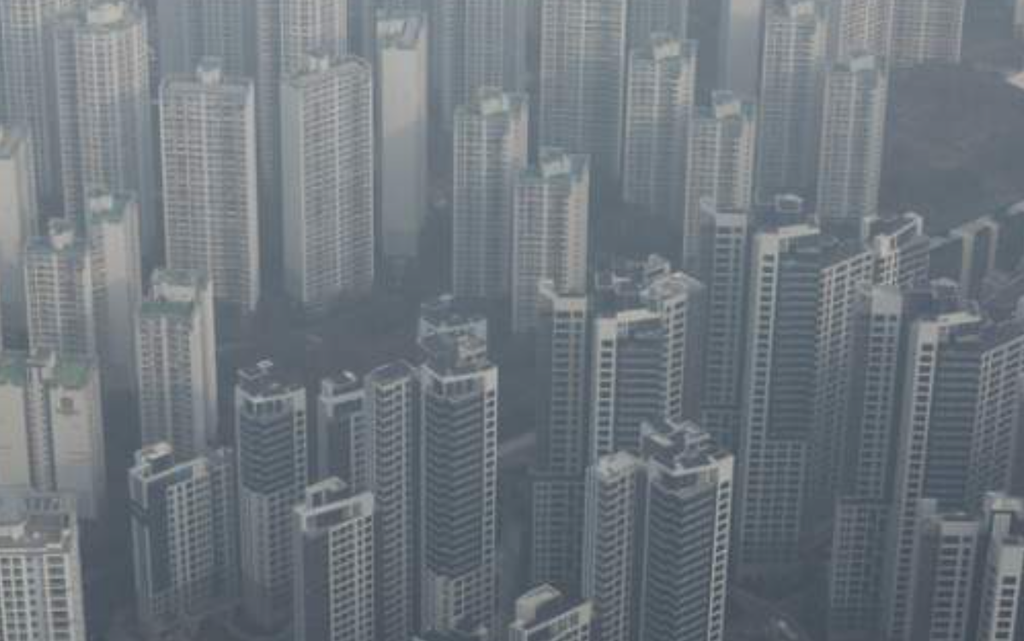
If you’ve ever visited South Korea, you’ve probably noticed it right away: no matter where you go — Seoul, a small coastal town, even the countryside — the skyline is dominated by rows of identical high-rise apartment towers. For visitors coming from places where single-family homes and low-rise housing are the norm, this can feel strange, even a little unsettling. So why did Korea end up as one of the most “apartment-heavy” countries in the world?
Here’s the real story behind it.
1. Korea Is Mostly Mountains
About 70% of South Korea’s land is mountainous. That leaves a surprisingly small amount of flat, buildable land for a population of over 50 million people. Building upward — rather than outward — became the only realistic way to house that many people efficiently. Apartments simply make the most of very limited flat land.
2. Rapid Industrialization Created a Housing Crisis
After the Korean War, the country went through an extraordinarily fast period of industrialization in the 1960s–70s. Millions of people moved from rural areas into cities like Seoul in search of jobs, and housing supply couldn’t keep up. The government needed a way to build large volumes of housing quickly and cheaply — and standardized apartment complexes, built from repeatable designs, were the fastest solution available.
3. Government-Led Development, Not Organic Growth
Unlike in many Western countries, Korea’s apartment boom wasn’t driven by the free market alone — it was actively planned and pushed by the government. The development of Gangnam in the 1970s–80s is the textbook example: the government designated the area for large-scale apartment complexes and built out infrastructure (schools, subway lines, shopping districts) around them at the same time. This cemented the idea that apartments meant modern, convenient, high-quality living — an image that still holds today.
4. The Jeonse System Fits Apartments Perfectly
Korea has a unique rental system called jeonse, where tenants pay a large lump-sum deposit instead of monthly rent. This system works far more smoothly with standardized, easily valued housing like apartments than with individual detached homes. Because apartment prices and jeonse deposits are transparent and easy to compare, apartments also became the preferred vehicle for real estate investment — reinforcing demand even further.
5. Practical, Everyday Advantages
Beyond history and policy, there are simple lifestyle reasons Koreans continue to choose apartments:
- 24-hour security and CCTV
- On-site management staff who handle repairs and maintenance
- Shared amenities like parking, playgrounds, and gyms
- Easy access to public transit and good school districts
For many residents, these conveniences outweigh the appeal of a standalone house.
The Bottom Line
Korea’s apartment-dominated landscape isn’t an accident — it’s the result of limited land, breakneck industrialization, deliberate government policy, a unique financial system, and genuine everyday convenience all reinforcing each other over decades. What looks uniform from the outside actually tells the story of how modern Korea was built.
Master





댓글 0
첫 댓글을 남겨보세요.