
Korea’s number one online game, Lineage 2M
Lineage 2M The Evolution of Mobile MMORPGs
When discussing the landscape of mobile gaming in South Korea, one title inevitably dominates the conversation. Lineage 2M is not merely a game; it is a cultural phenomenon that redefined what players expected from their smartphones. Developed by NCSoft, the title serves as a direct successor to the legendary Lineage 2, which captivated millions on PC two decades ago. By leveraging the power of modern mobile hardware, NCSoft aimed to translate the massive, uncompromising scale of the original experience into a handheld format. For many, Lineage 2M represents the pinnacle of high-fidelity mobile gaming, offering a seamless open world, intricate social systems, and a level of visual polish that remains a benchmark for the industry.
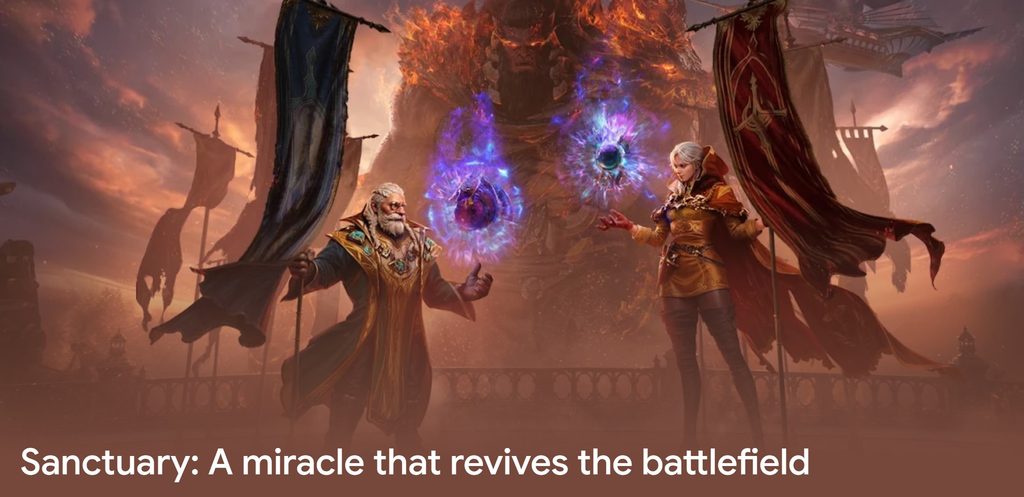
The journey of Lineage 2M began with immense hype, fueled by the promise of true cross-platform play and a world without loading screens. In an era where mobile games were often seen as bite-sized distractions, Lineage 2M insisted on being a primary hobby. It demands time, strategy, and a significant commitment to character progression. This review aims to dissect the architecture of the game, exploring why it holds such a firm grip on the Korean gaming market while also examining the friction points that come with its aggressive design philosophy.
Core Mechanics and Gameplay Architecture
At its heart, Lineage 2M is a traditional MMORPG built for a modern audience. The gameplay loop centers on character growth, gear acquisition, and social interaction within large-scale alliances. Unlike many mobile RPGs that rely on instanced dungeons or gated progression, Lineage 2M features a massive, continuous open world. This is perhaps its most significant technical achievement. Players can traverse landscapes from the coastal regions of Talking Island to the treacherous peaks of Giran without ever encountering a loading screen. This continuity creates a sense of immersion that is rarely matched in the mobile space.
The progression system is deeply rooted in the classic MMORPG tropes of grinding, questing, and dungeon crawling. Players choose from various races and classes, each with distinct playstyles, though the game allows for a degree of flexibility through its class system. The combat is dynamic and relies on a mix of skill rotations and tactical positioning. Because the game is designed to run for long periods, it includes a robust auto-combat system. This feature is a point of contention among traditional gamers, but it is essential for the grind-heavy nature of the game. It allows players to manage their resources and level their characters while navigating the complexities of daily life, which is a core component of the Korean mobile gaming lifestyle.
The Class and Progression System
The class system in Lineage 2M is expansive, offering a wide array of choices that cater to different player archetypes. Whether you prefer the raw melee power of a Warrior, the surgical precision of an Archer, or the support capabilities of a Cleric, the game provides a depth of customization through equipment and skill books. Skill acquisition is a major driver of progression. Players must hunt for specific items or trade with others to unlock powerful abilities that can turn the tide of battle. This creates a vibrant, player-driven economy where rare items hold significant value.
Progression is not just about raw stats. It involves a complex web of collections, enhancements, and character growth systems. The collection system, in particular, is a hallmark of NCSoft titles. By acquiring and registering specific items into a collection book, players receive permanent stat bonuses. This encourages players to hunt for gear that they might not necessarily use, creating a constant cycle of farming and trading. While this system is highly effective at maintaining player engagement, it also introduces a layer of complexity that can be daunting for newcomers who are not accustomed to the sheer volume of systems at play.
Visual Fidelity and Performance
One cannot discuss Lineage 2M without addressing its visual presentation. The game uses the Unreal Engine, and the developers have squeezed every ounce of performance out of it to deliver console-quality graphics on mobile devices. The lighting effects, weather systems, and character models are exceptionally detailed. Whether it is the way sunlight filters through the trees in a forest or the intricate armor designs that shimmer under moonlight, the game is undeniably beautiful. This visual standard is a key reason for its longevity; the game looks just as good today as it did at launch, if not better, thanks to periodic engine optimizations.
Technical Requirements and Optimization
High-end graphics come at a cost. Lineage 2M is a resource-intensive application. While it is optimized to run on a wide range of devices, experiencing the game at its highest settings requires a modern flagship phone or a high-performance tablet. The game also features a PC client, Purple, which allows players to enjoy the game on their computers with enhanced resolution and frame rates. This cross-platform integration is seamless. You can start your day playing on your phone during a commute and transition to your PC at home without missing a beat. This convenience is a major selling point and a standard that other mobile developers are now struggling to emulate.
Battery drain and thermal management are the primary challenges for mobile players. Because the game is designed to be played for extended sessions, it is common for the device to get quite warm. Players are strongly encouraged to use cooling solutions or stick to the PC client for long-term farming sessions. Despite these hardware demands, the optimization is impressive. The ability to render hundreds of players on screen during massive guild wars, known as sieges, without the frame rate collapsing into a slideshow is a testament to the technical prowess behind the game’s development.
The Social Ecosystem and Guild Dynamics
Lineage 2M is fundamentally a social game. While one can play solo to a certain extent, the true depth of the game is revealed in its guild and alliance systems. The game is built around the concept of power struggles between factions. Guilds compete for control over territory, resources, and prestige. These conflicts often escalate into massive, server-wide wars that can last for weeks. The political landscape of a Lineage 2M server is as dynamic as the game world itself. Alliances are formed, broken, and betrayed, creating a narrative that is entirely driven by the players.
The communication tools provided within the game are sufficient, but most serious players utilize external platforms like Discord to coordinate their efforts. The intensity of these guild wars is what keeps the player base invested. When you are part of a group that has spent months preparing for a siege, the stakes feel incredibly high. This sense of belonging and the shared goal of dominance are what keep players returning to the game daily. It is a digital society where reputations are built and destroyed, and where the most powerful players often command influence that stretches across different servers.
Pros and Cons of the Experience
Understanding the value of Lineage 2M requires a balanced look at what it does well and where it falters. The game is a masterclass in design for a specific demographic, but it is not without its polarizing elements.
Strengths of the Title
- Unmatched Open World Immersion: The lack of loading screens and the sheer scale of the map provide a sense of exploration that is rare on mobile platforms.
- Seamless Cross Platform Play: The integration between mobile and PC is flawless, allowing for a truly flexible gaming experience.
- High Production Values: The graphics, sound design, and overall aesthetic polish are top-tier, providing a premium feel.
- Deep Social Systems: The guild and alliance mechanics foster a strong sense of community and provide endless content through player-driven conflict.
- Consistent Updates: The development team is highly active, frequently adding new content, classes, and zones to keep the end-game fresh.
Areas for Improvement
- Aggressive Monetization: The game is notorious for its pay-to-win elements. While it is possible to play for free, the gap between non-spending players and those who invest heavily is massive.
- High Barrier to Entry: The complexity of the various systems, from collections to gear enhancement, can be overwhelming for new players.
- Repetitive Gameplay Loops: The reliance on auto-combat and farming can lead to burnout for players who prefer more active, skill-based gameplay.
- Resource Heavy: The game demands significant storage space and can be taxing on device battery life, making it difficult to play on older hardware.
Comparison with Other Mobile MMORPGs
When compared to other heavy hitters in the market, such as Black Desert Mobile or Odin Valhalla Rising, Lineage 2M occupies a unique space. Black Desert Mobile is often praised for its action-oriented combat and life-skill systems, which offer a more varied experience for players who enjoy activities beyond just combat. Odin Valhalla Rising, on the other hand, is known for its stunning Norse-inspired visuals and slightly more accessible progression systems. In contrast, Lineage 2M leans heavily into the classic, hardcore MMORPG experience.
Lineage 2M is less about individual action and more about systemic, long-term progression and group-based strategy. While competitors might offer a more modern or action-heavy combat feel, Lineage 2M excels in the “classic” feel—the sense of a vast, dangerous world where every upgrade matters and where your guild is your family. It is a game for the traditionalist who wants an endless progression treadmill and the thrill of large-scale social competition. It does not try to be everything to everyone; it knows exactly what it is and plays to its strengths with unwavering confidence.
The Economic Landscape
The economy of Lineage 2M is a central pillar of its design. The game features an in-game marketplace where players can trade resources, equipment, and other goods. This economy is highly volatile and heavily influenced by the top-tier guilds that control the most profitable hunting grounds. For a player who understands the nuances of the market, there is a lot of potential to thrive without spending real money, though it requires significant time investment and a keen eye for supply and demand trends.
However, it is impossible to ignore the role of real-money transactions. The game offers various packages, gacha-style pulls for character classes and pets, and other convenience items that accelerate progression. For many, this is the primary point of friction. The game is essentially built to monetize the desire for power. While this keeps the game profitable and allows for the high-quality updates mentioned earlier, it also creates an environment where those with the deepest pockets have a clear advantage. Whether this is a deal-breaker depends entirely on the player’s tolerance for such systems and their desire to compete at the absolute highest level.
Strategic Approach for New Players
For those looking to dive into the world of Lineage 2M, the best approach is to manage expectations. Do not go into the game expecting a fair, balanced competitive environment from day one. Instead, view it as a long-term project. Joining a reputable, active guild as early as possible is the single most important decision a new player can make. A good guild will provide guidance, support in group content, and a community that makes the grind much more tolerable.
Focusing on the main quest line is the most efficient way to learn the mechanics and gain initial levels. Once the early-game content is cleared, the focus should shift to optimizing your character for daily farming. Researching which stats are most important for your class and prioritizing those in your collection and gear upgrades will save you a lot of wasted time and resources. Don’t be afraid to ask questions in the community forums or discord servers associated with your server; the player base is often very knowledgeable and, despite the competitive nature of the game, many are willing to help newcomers find their footing.
The Evolution of the Mobile Experience
The success of Lineage 2M has fundamentally changed the expectations for mobile MMORPGs. Before its release, many wondered if a truly massive, high-fidelity experience could work on a phone. The answer was a resounding yes, but it came with the requirement of a new type of player behavior. The industry has shifted toward this model of long-term, persistent worlds that are designed to be played in both short bursts and long, automated sessions. This hybrid approach to gaming—where the game runs in the background while you go about your day—has become the standard for the genre in Korea and is increasingly being adopted globally.
Lineage 2M stands as a testament to the idea that mobile games can be just as complex and engaging as their PC counterparts. It has pushed the boundaries of what developers can do with mobile hardware and has proven that there is a massive audience for deep, social, and challenging experiences on the go. While it may not be for everyone, its impact on the gaming world is undeniable. It is a title that demands respect for its technical achievements and its ability to maintain a massive, dedicated community over several years in an incredibly competitive market.
Final Thoughts on the Long Term Appeal
The question of whether Lineage 2M is worth the time investment is one that every gamer must answer for themselves. If you are a fan of the classic MMORPG genre, enjoy social dynamics, and appreciate high-end visual fidelity, there is arguably no better experience on mobile. The game provides a sense of scale and a depth of systems that keep you engaged for months, if not years. The thrill of a successful siege, the satisfaction of completing a difficult collection, and the camaraderie of a strong guild are experiences that are hard to replicate elsewhere.
However, if you are looking for a casual, fair-play experience, or if you are easily frustrated by pay-to-win mechanics and repetitive grinding, you might find the game challenging to enjoy. It is a demanding, time-consuming, and often expensive hobby. The game does not compromise on its vision to accommodate the casual player, and that is perhaps its greatest strength and its most significant barrier. It is a game that knows its audience perfectly and delivers exactly what that audience is looking for. For those who embrace it, Lineage 2M is a digital home, a battlefield, and a social hub all rolled into one, setting the bar for what a mobile MMORPG can be.
Ultimately, the longevity of the game speaks for itself. Despite the rise of new competitors and the changing trends in the gaming industry, Lineage 2M continues to occupy a top spot in the charts. It remains a fixture in the lives of many, a testament to the enduring appeal of the Lineage franchise and the skill of the team at NCSoft. Whether you are a veteran of the original PC game or a newcomer looking for your next big mobile obsession, Lineage 2M is a title that deserves to be experienced, if only to understand the sheer scale of the mobile gaming revolution it helped to lead.
Master





댓글 0
첫 댓글을 남겨보세요.