
Seoul Kimchi Museum and places where you can experience it
An In Depth Exploration of Museum Kimchikan
For those who have ever wandered through the bustling streets of Seoul, the scent of fermentation, garlic, and chili is never far away. Kimchi is not merely a side dish in Korea; it is the heartbeat of the national cuisine, a cultural touchstone that binds generations together. While you can find kimchi in every restaurant and home across the peninsula, there is only one place that truly elevates this humble fermented vegetable to the status of high art and historical heritage: Museum Kimchikan. Located in the heart of Insadong, the cultural district of Seoul, this museum is a fascinating deep dive into a world that most travelers only experience on their dinner plates.
Museum Kimchikan is not your average dusty collection of artifacts behind glass. It is an interactive, vibrant, and sensory-focused institution that aims to bridge the gap between ancient preservation methods and modern culinary science. Whether you are a curious tourist looking to understand the soul of Korean food or a culinary enthusiast eager to learn the precise science behind the perfect fermentation, this museum provides a comprehensive look at why kimchi is recognized by UNESCO as an Intangible Cultural Heritage of Humanity.
The Origins and Philosophy of the Museum
The history of Museum Kimchikan is rooted in a deep commitment to preserving Korean food culture. Founded by Pulmuone, a company renowned for its dedication to healthy and natural food products, the museum first opened its doors in 1986. Over the decades, it has evolved from a small gallery into a sophisticated, multi-level experience that utilizes modern technology to tell an ancient story. The core philosophy of the museum is education through engagement. They believe that if people understand the history and the labor involved in making kimchi, they will develop a deeper appreciation for the food itself.
The museum has been recognized by international publications, including CNN, as one of the top food museums in the world. This is no small feat. It manages to balance the academic rigor of documenting hundreds of years of fermentation history with the playfulness required to keep visitors interested. By walking through the exhibits, you gain an understanding of the geographical necessity that birthed kimchi—the harsh Korean winters that required a way to preserve vegetables long after the harvest season ended. It is this marriage of survival, innovation, and flavor that the museum captures so effectively.
Key Features and Immersive Exhibits
One of the most striking aspects of the museum is how it utilizes technology to bring the past to life. Instead of relying solely on written plaques, the exhibits are designed to be tactile and visual. As you enter, you are introduced to the diversity of kimchi. Most people think of the standard cabbage (baechu) variety, but the museum showcases the sheer variety of types—over 200 different kinds of kimchi exist, ranging from water-based versions to those made with seafood or radish. Each region in Korea has its own unique interpretation, and the museum maps these out beautifully.
The Kimchi Science exhibit is particularly fascinating for those who enjoy the chemistry of cooking. It breaks down the lactic acid bacteria that are responsible for the fermentation process. You can see how the environment, temperature, and salt content interact to create the perfect balance of sour, spicy, and savory. There are microscopes and digital displays that show the microscopic life inside a jar of kimchi. This section effectively demystifies the process, making it feel less like a kitchen chore and more like a biological marvel.
Another highlight is the recreation of a traditional Korean kitchen. It transports you back in time, showing the earthenware pots known as onggi. These pots are an essential part of the story because they allow the kimchi to breathe, which is crucial for the fermentation process. Seeing the difference between the traditional burial method—where jars were buried in the ground to maintain a constant temperature—and the modern kimchi refrigerator is a testament to how Korean society has adapted to urbanization while keeping its culinary traditions intact.
The Hands On Experience
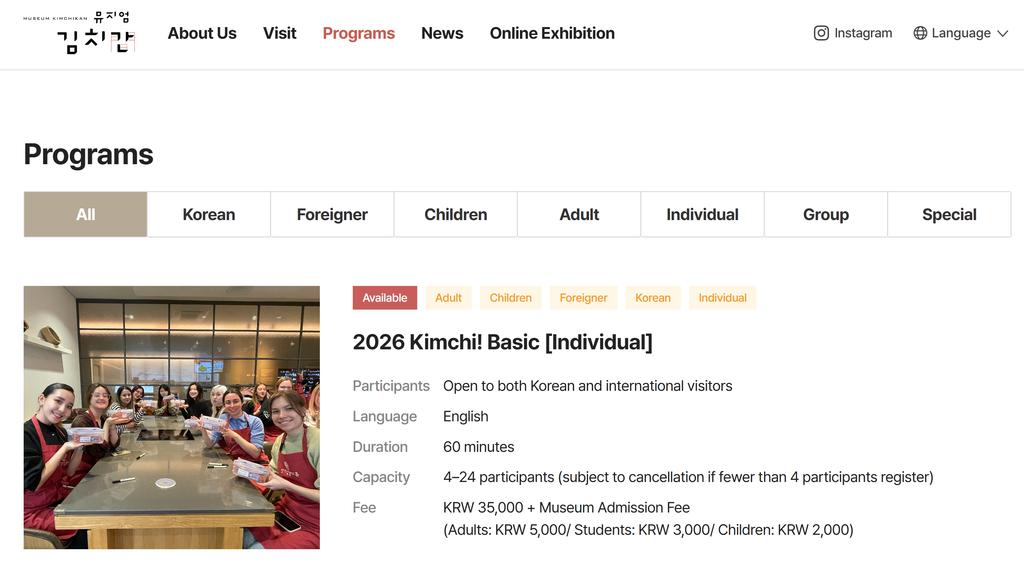
No visit to Museum Kimchikan would be complete without participating in the kimchi making classes. This is where the museum truly shines, moving from passive observation to active participation. The workshops are tailored for different groups, including families, international tourists, and even professional chefs looking to master the basics. You are provided with the ingredients, the apron, and the guidance of an expert instructor who explains the importance of the red chili paste (yangnyeom) and how to properly coat each leaf of cabbage to ensure it ferments evenly.
The tactile experience of massaging the spices into the cabbage is something that cannot be replicated by reading a recipe. You learn the rhythm of the work, the importance of the salt-to-cabbage ratio, and the patience required for the fermentation to reach its peak. The museum also offers tasting sessions where you can sample various stages of kimchi, from fresh (geotjeori) to fully fermented and aged. This helps visitors understand that kimchi is not a static product; it is a living entity that changes its flavor profile over time.
Pros and Cons of the Museum Experience
Like any cultural institution, Museum Kimchikan has its specific strengths and potential drawbacks depending on what you are looking for in a travel experience.
Pros
- Cultural Depth: It provides an incredibly thorough background on the history of kimchi that you simply cannot get anywhere else.
- Interactive Displays: The use of digital screens, microscopes, and tasting stations makes the information accessible and entertaining for all ages.
- Strategic Location: Being in Insadong, it is perfectly situated for a day of exploring traditional Korean crafts, tea houses, and art galleries.
- Multilingual Support: The museum is very friendly to international visitors, with signage and materials available in multiple languages, ensuring that the history is not lost in translation.
- Clean and Modern Facility: Despite its focus on traditional food, the museum itself is a modern, climate-controlled, and immaculately kept space.
Cons
- Size Constraints: Because it is located in a historic district where space is limited, the museum is not massive. It can feel crowded during peak tourist hours or weekends.
- Limited Tasting Portions: While there are tasting opportunities, some visitors might find themselves wanting a full meal rather than just small samples, which requires venturing back out into the neighborhood.
- Reservation Requirements: If you want to participate in the hands-on workshops, you absolutely must book in advance. Showing up on the day of might lead to disappointment as spots fill up quickly.
- Focus on Specific Culinary Traditions: While very informative, the focus is exclusively on kimchi. If you are looking for a broad history of all Korean food, this will only satisfy one specific, albeit very important, chapter of that story.
The Science of Fermentation
The section of the museum dedicated to the science of fermentation is perhaps the most impressive. It is here that the museum moves beyond culinary appreciation into the realm of health and nutrition. We often hear about probiotics and gut health in the modern wellness industry, but the museum highlights that Korea has been practicing this for centuries. The exhibits explain how the specific strain of lactobacillus found in kimchi contributes to a healthy microbiome. This is not just traditional wisdom; it is backed by modern clinical research that is presented in a way that is easy for a layperson to digest.
The museum details how the salt acts as a preservative by inhibiting the growth of harmful bacteria while allowing the beneficial lactic acid bacteria to flourish. This delicate balance is the secret to why kimchi remains safe and healthy to eat for months, or even years, when stored correctly. For those interested in the crossover between food science and human health, this section provides a wealth of information that explains why kimchi is considered one of the world’s healthiest foods.
Comparison with Other Culinary Museums
When comparing Museum Kimchikan to other food museums globally, such as the Ramen Museum in Yokohama or various cheese museums in Europe, there is a distinct difference in tone. Many food museums lean heavily into the pop-culture or commercial aspect of the food. Museum Kimchikan, by contrast, maintains a more academic and cultural focus. It treats kimchi as a vital part of the national identity rather than just a commodity.
While the Ramen Museum is largely a nostalgic recreation of a street scene, the Kimchikan Museum is a blend of a laboratory, a history classroom, and a culinary school. It feels more intimate and personal. The connection to the land and the seasons is much more pronounced here than in museums dedicated to processed or restaurant-style foods. You leave the museum feeling that you have learned something essential about the Korean way of life, rather than just having seen a collection of interesting facts about a food item.
The Cultural Significance of Insadong
To truly appreciate the museum, one must also appreciate its location. Insadong is a neighborhood that has fought hard to maintain its traditional character amidst the rapid modernization of Seoul. Being surrounded by calligraphy shops, traditional paper stores, and hanok-style tea houses, the museum feels right at home. It is not an outlier in a modern skyscraper; it is part of the fabric of the neighborhood. This makes for a more holistic experience. After learning about the history of kimchi in the museum, you can walk a few blocks and find a restaurant serving a traditional kimchi jjigae (kimchi stew) in a centuries-old building, creating a perfect link between theory and practice.
This location strategy is brilliant because it encourages visitors to engage with the surrounding culture. The museum does not exist in a vacuum. It pushes you back out into the streets of Insadong with a new lens through which to view the food you are about to eat. You might notice the specific type of earthenware used in a restaurant, or you might ask the server about the ingredients in the kimchi they served, now that you know about the regional variations that exist across the country.
Practical Tips for Visitors
If you are planning to visit, there are a few things to keep in mind to ensure you have the best possible experience. First, try to visit on a weekday if your schedule allows. The museum is much quieter, allowing you to spend more time with the interactive exhibits without waiting in line. Second, definitely prioritize the kimchi-making class. It is the highlight of the experience and offers the best value for your time. Even if you aren’t a seasoned cook, the instructions are very easy to follow.
Also, make sure you take the time to read the placards. The museum has put a lot of effort into the English translations, which provide context that might otherwise be missed. The stories of how different families passed down their kimchi recipes through generations are quite touching and provide a human element to the scientific facts. Finally, leave some time to wander through the gift shop. They often have unique, high-quality fermentation tools and locally sourced ingredients that you cannot easily find in standard grocery stores.
The Evolution of Kimchi in the Modern World
The museum does not ignore the fact that kimchi is changing. It addresses the rise of “modern kimchi” and the influence of global flavors. As Korean culture continues to spread globally, kimchi is being used in everything from tacos to burgers. The museum provides a balanced view of this, acknowledging that while tradition is the foundation, the adaptability of kimchi is what has allowed it to remain relevant in a globalized food landscape. This forward-looking perspective is crucial because it ensures that the museum remains a living institution rather than a graveyard of past traditions.
By showcasing how kimchi has adapted to the invention of the kimchi refrigerator and the shift in household structures—where fewer people have the time or space to make large batches of kimchi from scratch—the museum shows that it understands the reality of modern life. It does not preach about how things “should” be done; instead, it provides the knowledge for people to appreciate the craft regardless of how they choose to incorporate it into their own lives.
A Deep Dive into Regional Varieties
One of the most educational segments of the museum is the map of regional kimchi styles. Many visitors are surprised to learn that geography dictates the flavor profile of kimchi. In the colder northern regions, where the climate is harsher, the kimchi tends to be less salty and less spicy, often using more water-based broths. In the warmer southern regions, the recipes often call for more salt and fermented seafood (jeotgal) to prevent spoilage, resulting in a deeper, more pungent, and intense flavor profile.
The museum displays these differences with vivid imagery and clear explanations. It forces the visitor to realize that “kimchi” is a broad category, not a single flavor. This understanding changes the way you order food in Korean restaurants. You start to look for the nuances—the crispness of a northern-style radish kimchi versus the rich, savory depth of a southern-style cabbage kimchi. This level of detail is what transforms a casual diner into an informed food lover.
The Role of Women in Kimchi History
It is impossible to discuss the history of kimchi without discussing the women who made it. The museum does an excellent job of highlighting the labor-intensive nature of kimchi making, which was traditionally the domain of the women of the household. The concept of “Kimjang”—the collective practice of making kimchi in preparation for the winter—is central to the museum’s narrative. It was a communal activity that fostered social bonds and reinforced the role of women as the keepers of culinary tradition.
The museum respects this history by emphasizing the skill and expertise required to master the craft. It portrays the women not just as laborers, but as culinary experts who understood the nuances of fermentation, the quality of ingredients, and the timing of the seasons. This adds a layer of social history to the museum that makes it much more than just a food exhibit; it is a tribute to the social fabric of Korea and the unsung heroes who ensured that families were fed through the long, cold winters.
Final Thoughts on the Museum Experience
Museum Kimchikan is an essential stop for anyone visiting Seoul. It is a rare example of a museum that manages to be both highly educational and deeply enjoyable. By focusing on a single, iconic element of Korean culture, it provides a level of depth that broad-brush cultural museums often lack. It succeeds because it respects the complexity of the subject matter while making it accessible to those who may have no prior knowledge of Korean cooking.
The museum serves as a reminder that food is one of the most powerful ways to connect with a culture. When you take the time to learn about the history, the science, and the communal effort behind a simple side dish, you begin to understand the values of the people who created it. You see the importance of patience, the respect for the environment, and the value of community. These are the things that make kimchi more than just a fermented vegetable; they make it a symbol of resilience and tradition.
Whether you are a professional chef looking for inspiration, a student of anthropology, or simply a traveler looking to understand the local flavor, this museum offers something of value. It encourages you to slow down, to pay attention to the details, and to appreciate the labor of love that goes into every bite of authentic kimchi. It is a testament to the fact that even the most humble ingredients, when treated with respect and historical context, can tell a story that spans centuries and connects us all through the universal language of food.
By visiting, you are not just walking through an exhibit; you are participating in a tradition that is as alive today as it was hundreds of years ago. You leave with a better understanding of why the scent of garlic and chili is so deeply embedded in the soul of Seoul, and perhaps, with a newfound desire to try your hand at making your own batch of kimchi once you return home. The museum provides the tools and the knowledge, but the experience of discovery is entirely your own.
[Sauce]https://www.kimchikan.com/en
Master






댓글 0
첫 댓글을 남겨보세요.