
Korea’s Demilitarized Zone (DMZ) Tour Guide
Understanding the Korea Demilitarized Zone
The Demilitarized Zone, commonly referred to as the DMZ, is perhaps the most unique tourist destination in the world. Stretching 250 kilometers across the Korean Peninsula, it serves as a buffer zone between North and South Korea. Established by the 1953 Korean Armistice Agreement, this strip of land is not technically a border but a ceasefire zone. For travelers, it offers a profound look into the history of the Cold War, the reality of a divided nation, and the resilience of nature.
Visiting the DMZ is not like visiting a standard museum or historical monument. It is an active military zone where tensions can fluctuate, and regulations are strictly enforced. Because of this, planning a trip requires more preparation than a typical sightseeing excursion. This guide aims to provide you with everything you need to know to navigate the DMZ safely, respectfully, and informatively.
Why Visit the DMZ
For many, the appeal of the DMZ lies in its historical significance. It is a place where you can stand on the edge of the last remaining frontier of the Cold War. However, beyond the politics and military history, the DMZ has become an accidental nature preserve. Because human activity has been restricted for over seven decades, the area has become a haven for rare flora and fauna that are extinct or endangered elsewhere on the peninsula. Visiting provides a rare opportunity to witness how nature reclaims land when humans step away.
Furthermore, the DMZ provides essential context for understanding modern Korean culture. To understand the economic miracle of South Korea, one must understand the shadow of the division that has loomed over the country since the 1950s. It is a sobering, educational, and deeply moving experience that leaves most visitors with a greater appreciation for peace and diplomacy.
Types of DMZ Tours Available
Not all DMZ tours are created equal. Depending on your interest and how much time you have, you can choose from several categories of tours. Most tours originate from Seoul, as the DMZ is located roughly 50 to 60 kilometers north of the capital.
The Standard JSA Tour
The Joint Security Area, or JSA, is the most famous part of the DMZ. This is where soldiers from North and South Korea stand face to face. It is the site of the famous blue buildings where negotiations have taken place. Please note that access to the JSA is highly restricted and subject to sudden changes based on the political climate. You must book this well in advance through authorized tour operators.
The Imjingak Park and Third Tunnel Tour
This is the most common and accessible tour for the general public. It typically includes a visit to Imjingak Park, where you can see the Bridge of Freedom and various monuments dedicated to the displaced families of the war. The tour usually takes you into the Third Infiltration Tunnel, a tunnel dug by North Korea that was discovered by the South in the 1970s. It is a physically demanding but fascinating look at the clandestine efforts made during the war.
The Dora Observatory Tour
Dora Observatory is the northernmost point on the western line of the DMZ accessible to civilians. From here, you can look through powerful binoculars to see North Korean territory, including the propaganda village of Kijong-dong and the city of Kaesong. It provides a unique perspective on the landscape of the North, which remains largely shielded from the outside world.
Practical Preparation and Requirements
Before you book your tour, there are several logistical hurdles you must clear. Because the DMZ is a military-controlled area, your passport is your most important travel document. You will not be allowed to enter the restricted zones without a valid, original passport. Copies or digital images are generally not accepted by the military checkpoints.
Dress code is another critical factor. While there is no formal uniform, many tour operators enforce a conservative dress code. Avoid ripped jeans, camouflage clothing, sleeveless shirts, or anything that could be interpreted as offensive or political. The military personnel value a professional atmosphere, and being turned away at the gate due to your attire is a common disappointment for unprepared tourists.
| Requirement | Details |
|---|---|
| Passport | Must carry the original, not a copy. |
| Dress Code | Smart casual, no camouflage, no ripped clothing. |
| Booking | Must be done via an authorized agency weeks in advance. |
| Age Restrictions | Some areas have age limits for children. |
Common Misconceptions and Facts
There are many myths surrounding the DMZ. Clearing these up will help you manage your expectations and enjoy your visit more fully.
- Myth: The DMZ is a lawless wasteland. Fact: The DMZ is one of the most heavily guarded and regulated places on Earth. It is highly organized and, ironically, one of the safest places to visit in Korea due to the intense military presence.
- Myth: You can cross the border into North Korea. Fact: You cannot cross the border during a civilian tour. While you may enter the blue negotiation buildings in the JSA where you can technically step into North Korean territory, you remain under the protection of the UN Command at all times.
- Myth: It is always dangerous. Fact: While the geopolitical situation is complex, tours are suspended immediately if there is any genuine threat. The South Korean government and the UN Command prioritize visitor safety above all else.
- Myth: You can take photos anywhere. Fact: Photography is strictly regulated. You will be told exactly when and where you are allowed to take pictures. Attempting to photograph military installations or soldiers outside of designated zones can lead to the confiscation of your camera or even detention.
Cost Effective Utilization Methods
A DMZ tour can be pricey, especially if you opt for private, high-end services. However, there are ways to experience the area without breaking the bank.
First, look for group tours rather than private ones. Many travel agencies in Seoul bundle the Third Tunnel, Dora Observatory, and Imjingak into a half-day package that is quite affordable. These tours provide shared transportation, which is the biggest cost-saver.
Second, consider the timing of your visit. Weekday tours are often cheaper than weekend tours. Additionally, check for student or senior discounts if applicable. Many tour operators have partnerships with hostels and budget hotels in Seoul, so ask your accommodation provider if they offer discounts for guests.
Third, bring your own snacks and water. While there are gift shops and cafes at the tourist centers like Imjingak, the prices are higher than what you would pay in a standard convenience store in Seoul. Bringing your own supplies will save you money and ensure you have what you need during the long bus rides.
Expert Advice for a Better Experience
I have spoken with many guides who have worked at the DMZ for years, and their consensus is that the best way to enjoy the trip is to come with an open mind and a respectful attitude. The DMZ is not a theme park; it is a place of national tragedy for many Koreans. Avoid making jokes about the military or the division of the country. Treat the soldiers you encounter with respect, and follow the instructions of your guide implicitly.
Another piece of advice is to do your research beforehand. The history of the Korean War is complex, and having a basic understanding of the timeline will make the sites you visit much more meaningful. If you arrive at the Third Tunnel without knowing what it was intended for, it is just a dark, damp hole. If you understand the strategic implications of that tunnel, it becomes a chilling reminder of the intensity of the conflict.
Finally, be prepared for flexibility. Tours to the DMZ are subject to cancellation or alteration with very little notice. If a high-level diplomatic meeting is scheduled or if military exercises are taking place, the zone may be closed to civilians. Always have a backup plan for your day and do not take a cancellation personally. It is simply the nature of visiting an active border.
Frequently Asked Questions
Can I visit the DMZ on my own without a tour?
No, you cannot enter the civilian-controlled zones of the DMZ independently. You must be part of an authorized tour group. This is for your own safety and to ensure that you are accompanied by someone who knows the strict rules of the area.
Is the DMZ tour suitable for children?
It depends on the child’s age and interest level. The Third Tunnel involves a long, steep walk that can be difficult for young children or those with mobility issues. Furthermore, the content can be heavy and political. It is generally recommended for older children who have some interest in history.
What if I have mobility issues?
Many parts of the DMZ, such as the Third Tunnel, are not wheelchair accessible and require significant walking on uneven surfaces. If you have mobility concerns, inform your tour operator in advance. They may be able to offer a modified itinerary that focuses on the accessible areas like the observatory and the park.
Can I bring a drone?
Absolutely not. Drones are strictly prohibited in the DMZ and surrounding areas. Bringing one will almost certainly result in your equipment being confiscated and could lead to legal trouble.
How long does the tour usually take?
A standard half-day tour usually lasts about 5 to 6 hours, including travel time from Seoul. Full-day tours that include more remote sites can take up to 8 or 9 hours.
The Cultural Significance of the DMZ
The DMZ represents more than just a military boundary; it is a cultural symbol of the Korean people’s aspirations. At Imjingak Park, you will find the Mangbaedan Altar, where displaced families offer prayers to their ancestors who remain in North Korea. For these families, the DMZ is not a tourist attraction but a painful barrier that has kept them separated from their loved ones for generations.
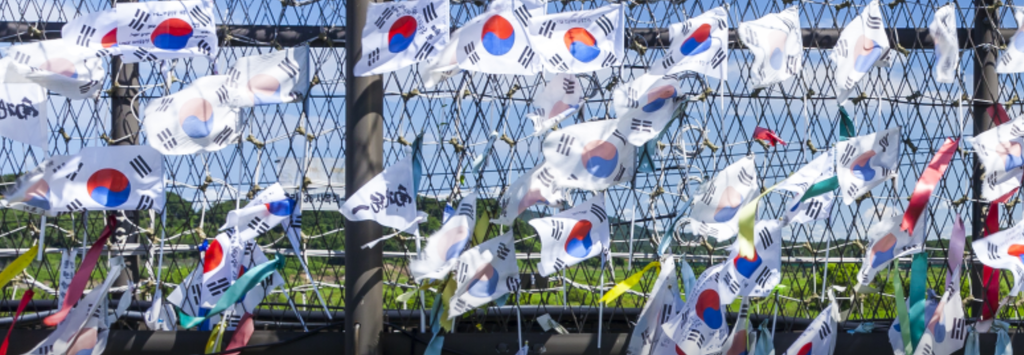
Seeing the ribbons tied to the fences at the Bridge of Freedom, each carrying a message of hope for reunification, is a moving experience. It highlights the human cost of the division. When you visit, take a moment to look at these messages. They provide a perspective that goes beyond the geopolitical headlines and reminds you that the DMZ is a place where lives were changed forever.
Navigating the Logistics of Your Visit
Transportation is a key part of your tour planning. Most tours provide pick-up and drop-off services from major hotels in central Seoul. If you are staying in a smaller guesthouse, you may need to make your way to a meeting point at a major subway station. Be sure to confirm your pick-up time and location at least 48 hours before the tour. Given the early start times of many DMZ tours, it is best to stay in an area with good public transport access like Myeongdong or Jongno.
Another factor to consider is the weather. The DMZ is an open, exposed area. In the summer, it can be incredibly hot and humid with very little shade. In the winter, it is known for biting winds and freezing temperatures that are much harsher than those in central Seoul. Dress in layers and check the weather forecast for Paju, the city closest to the DMZ, rather than just relying on the Seoul forecast.
The Role of the Guide
Your guide is your most valuable asset during the tour. A professional guide will do more than just point out buildings; they will provide context, answer your questions, and ensure you remain in compliance with the military rules. Many guides have a personal connection to the history of the war or have family members who were affected by the division. Their stories can be incredibly powerful.
If you have specific questions about the history or the current situation, don’t be afraid to ask. However, remember to stay respectful. Avoid asking for their personal political opinions, as this can be a sensitive topic. Instead, ask about the history of the sites, the nature of the ecosystem, or the daily life of the soldiers stationed there.
Nature and Conservation in the DMZ
One of the most fascinating aspects of the DMZ is the “DMZ Ecology” phenomenon. Because the area has been largely off-limits to industrial development and urban sprawl, it has become an unintentional sanctuary for wildlife. Species that were once common across the peninsula but have been pushed out by urbanization now thrive here.
Birdwatchers and naturalists are particularly interested in the DMZ. It serves as a critical stopover for migratory birds, including the endangered Red-crowned Crane. There are efforts to designate the DMZ as a UNESCO World Heritage site due to its unique ecological value. When you visit, you might notice the stark contrast between the heavy military hardware and the pristine, untouched forests and wetlands. It is a powerful reminder of nature’s resilience.
Preparing for the Third Tunnel
The Third Infiltration Tunnel is a highlight for many visitors, but it requires preparation. You will be provided with a hard hat, which you must wear at all times while inside the tunnel. The tunnel is narrow, low, and can be damp. If you are claustrophobic, you should skip this part of the tour. There is usually an alternative waiting area where you can relax while others go down.
The walk into the tunnel is steep, and the walk back out is even steeper. It is a workout. Wear comfortable, supportive walking shoes. Leave bulky bags and backpacks behind; most tours will allow you to leave them in the bus. This will make your movement inside the narrow tunnel much easier and more comfortable.
The Observatory Experience
Dora Observatory is perhaps the most visually striking part of the tour. Standing on the viewing platform, you look out over a landscape that feels frozen in time. The propaganda village of Kijong-dong, often called “Peace Village” by the North, is visible. You will notice that it looks like a model town, with large, bright buildings. This is a point of contention and interest, as the South Korean government claims the village is uninhabited and used only for propaganda purposes, while the North claims it is a thriving agricultural community.
Using the coin-operated binoculars is a must. They provide a much clearer view of the North Korean guard posts and the surrounding countryside. Take your time at the observatory; it is one of the few places in the world where you can gaze into a country that is almost entirely closed off to the rest of the world.
Final Thoughts on Etiquette
Etiquette is paramount when visiting the DMZ. You are essentially a guest in a sensitive, high-stakes environment. Follow these simple rules to ensure a smooth visit:
- Always follow the instructions of your guide. If they tell you to stop, stop. If they tell you to move, move.
- Do not make gestures or shout toward the North Korean side. It may seem like common sense, but it is a serious violation of protocol.
- Respect the privacy of the soldiers. Do not try to engage them in conversation or take photos of them unless explicitly permitted by your guide.
- Keep your passport on your person at all times. You will be checked at multiple military checkpoints.
- Be mindful of your surroundings. This is a place of history and, for many, a place of mourning. Keep your volume down and remain respectful of the memorials.
Visiting the DMZ is an experience that stays with you long after you leave. It is a place where you can feel the weight of history and the fragility of peace. By preparing thoroughly, choosing the right tour, and maintaining a respectful attitude, you can ensure that your trip to the DMZ is one of the most memorable parts of your time in Korea.
Planning Your Itinerary Around the DMZ
Because a DMZ tour usually takes up a significant portion of your day, it is best to plan your itinerary carefully. Avoid scheduling any high-energy activities for the evening after your tour, as the combination of travel, walking, and the emotional intensity of the sites can leave you feeling drained.
Many travelers choose to combine the DMZ tour with a visit to the nearby city of Paju. Paju is home to the Heyri Art Village, a creative community filled with museums, galleries, and cafes. It offers a nice, relaxing contrast to the tension of the DMZ. Spending the afternoon in Heyri can help you decompress and reflect on what you saw during the morning.
Alternatively, if you are more interested in history, you can look for tours that include the Imjingak area and then head back to Seoul to visit the War Memorial of Korea in Yongsan. The War Memorial provides a comprehensive history of the Korean War and is an excellent follow-up to the DMZ, as it fills in many of the gaps and provides a broader context for the conflict.
The Importance of Timing Your Visit
The time of year you choose to visit will significantly impact your experience. Spring and autumn are generally considered the best times to go. The weather is mild, the skies are often clear, and the natural beauty of the DMZ area is at its peak. During these seasons, the landscape is vibrant and the temperature is comfortable for the walking required at the various sites.
Summer can be quite challenging. Aside from the heat, this is the rainy season in Korea, and heavy downpours can sometimes obscure the view from the observatory or make the tunnels uncomfortable. However, if you are prepared for the elements, you will still get to see the sites. Just be sure to bring a sturdy umbrella and appropriate rain gear.
Winter is a unique experience. If you visit when there is snow on the ground, the landscape of the DMZ takes on a stark, haunting beauty. It emphasizes the isolation of the region. However, you must be prepared for extreme cold. The wind chill at the observatory can be intense, so bring a heavy coat, gloves, and a hat.
Documentation and Legal Compliance
It is important to emphasize again that the DMZ is not a standard tourist attraction. When you sign up for a tour, you are often required to sign a waiver. This is a standard legal procedure. It acknowledges that you are entering a dangerous area and that you accept the risks associated with being near an active military border. Do not let this intimidate you; it is a standard practice for all visitors, including government officials and journalists.
If you are a citizen of a country that does not have diplomatic relations with North Korea, or if you have a unique travel history, be sure to inform your tour operator in advance. While it rarely prevents you from taking a standard tour, there may be additional security checks or documentation required. Being transparent with your tour operator from the start is the best way to avoid any last-minute issues at the military checkpoints.
Reflecting on the DMZ Experience
As you leave the DMZ and head back to the bustling streets of Seoul, the contrast can be jarring. You move from a place of silence, tension, and history to a city of neon lights, shopping, and constant motion. This transition is part of what makes the experience so impactful. It forces you to reconcile the two realities of the Korean Peninsula: the ongoing division and the incredible progress that has been made in the South.
Many visitors find that they have a lot to think about after their tour. You might find yourself wanting to read more about the history of the war, the complexities of the armistice, or the current state of inter-Korean relations. There are many excellent books and documentaries on the subject. Engaging with this material after your visit can help you process your experience and deepen your understanding of this fascinating and important part of the world.
Ultimately, the DMZ is a place that challenges you to think about the world in a different way. It is a place that demands respect, offers profound insights, and reminds us all of the importance of dialogue and understanding. Whether you are a history buff, a nature lover, or simply a curious traveler, a visit to the DMZ is an experience that will leave a lasting impression on your perspective of the world.
Master





댓글 0
첫 댓글을 남겨보세요.