
Currency and exchange information used in Korea
Understanding the South Korean Won
When you prepare for a trip to South Korea, one of the most critical aspects of your planning should be understanding the local currency, the South Korean Won, often abbreviated as KRW or represented by the symbol ₩. Unlike some countries where foreign currencies are widely accepted, South Korea is a highly digitized economy where the local currency is king. Understanding how to handle, exchange, and spend your money effectively will not only save you from unnecessary fees but also ensure you have a seamless experience while navigating the vibrant streets of Seoul, Busan, or Jeju Island.
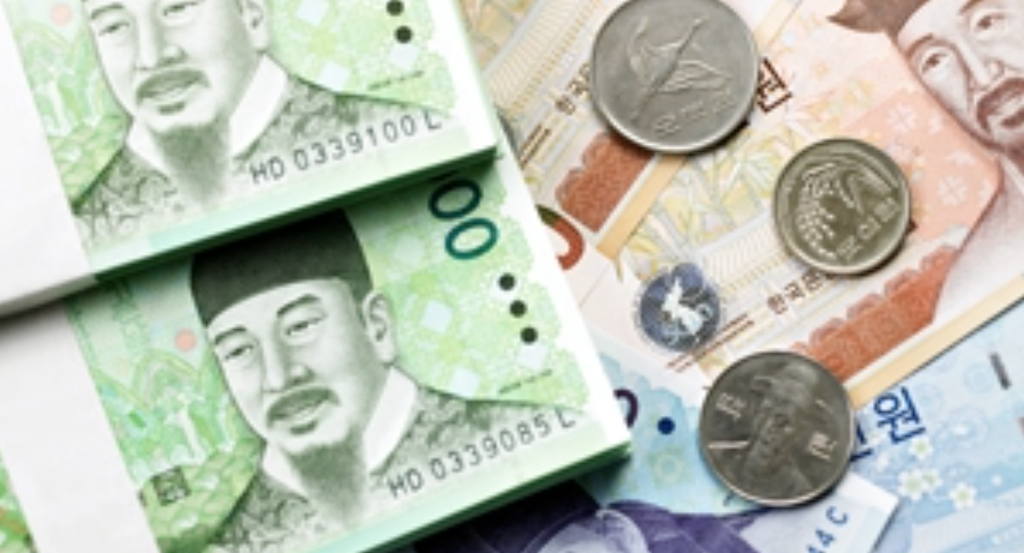
The South Korean Won is issued by the Bank of Korea. It is a decimal currency, but unlike the US Dollar or the Euro, it does not use a fractional unit like cents or pence in daily circulation. While there are subunits called jeon, they have long been removed from active circulation. This means that when you are shopping, you will exclusively deal with whole numbers. This can sometimes be jarring for tourists who are used to seeing decimal points on price tags, but you will quickly adjust to the scale of the currency once you realize that prices are often in the thousands.
Denominations of Korean Currency
To navigate the country effectively, you need to be familiar with the physical appearance of the money. Being able to distinguish between coins and banknotes quickly will prevent awkward moments at busy checkout counters. The currency is divided into coins and banknotes, each with distinct designs featuring prominent historical figures or cultural symbols of Korea.
Banknotes in Circulation
- 1,000 Won: This is the smallest denomination note, usually blue in color. It features the scholar Yi Hwang. You will use these frequently for small purchases or vending machines.
- 5,000 Won: A reddish-orange note featuring the scholar Yi I. It is a common note used for medium-sized purchases at convenience stores or local eateries.
- 10,000 Won: A green note featuring King Sejong the Great, the inventor of the Korean alphabet. This is a standard note for daily transactions.
- 50,000 Won: The highest denomination, yellow in color, featuring Shin Saimdang, a renowned female artist and poet. This note is the most convenient for larger payments or when withdrawing cash from ATMs.
Coins in Circulation
- 10 Won: A small, copper-colored coin. It is increasingly rare to receive these in change, and many stores have moved toward rounding totals to the nearest 100 Won.
- 50 Won: A silver-colored coin featuring a rice stalk.
- 100 Won: The most common coin, silver-colored and featuring Admiral Yi Sun-sin. You will use this coin frequently for public transportation ticket machines, lockers, and laundry machines.
- 500 Won: The largest coin, also silver-colored, featuring a crane.
Exchange Strategies for Travelers
One of the most frequent questions travelers ask is where to exchange their home currency for Won. The strategy you choose can significantly impact your total travel budget. Exchange rates fluctuate daily, and the margins taken by different service providers vary wildly.
Airport Currency Exchange
While the airport is the most convenient location to exchange money immediately upon arrival, it is generally the most expensive. The exchange kiosks at Incheon International Airport offer convenience, but they often have higher spreads—the difference between the buy and sell price—compared to downtown banks. Use the airport exchange only for small amounts to cover your initial transportation costs, such as a taxi or an airport limousine bus, and exchange the bulk of your money elsewhere.
Commercial Banks
South Korean banks are reliable and offer competitive rates. Major banks like KB Kookmin, Shinhan, Woori, and Hana Bank have branches in almost every neighborhood. To exchange money at a bank, you must bring your passport. Be aware that bank hours are typically from 9:00 AM to 4:00 PM on weekdays, and they are closed on weekends and public holidays. This limited window can be a challenge for travelers, so plan your visits accordingly.
Private Currency Exchange Booths
In tourist-heavy districts like Myeongdong or Itaewon, you will find independent currency exchange booths. These are often the most cost-effective option for travelers. They usually offer better rates than banks because they have lower overhead costs and operate in a highly competitive market. These booths often stay open later than banks and are more accessible on weekends. Always check the rates displayed on their digital boards before committing to a transaction.
The Role of Cash versus Cards
South Korea is arguably one of the most cashless societies in the world. You might be surprised to find that even a small street food stall or a tiny bookstore accepts credit cards. However, having a small amount of cash on hand is still recommended for specific situations.
When You Need Cash
- Traditional Markets: While many vendors in places like Gwangjang Market now accept cards, some older vendors or very small stalls still prefer cash.
- Public Transportation: While you will use a T-Money card for subways and buses, you will need cash to top up your card at machines if you do not have a local bank account.
- Small Convenience Store Purchases: While cards are accepted everywhere, sometimes it is just easier to hand over a 1,000 Won note for a pack of gum.
- Temple Donations: If you visit Buddhist temples, you may want to leave a small offering.
- Street Vending Machines: Some older vending machines in remote areas might only accept coins.
The Convenience of Credit and Debit Cards
Visa and Mastercard are widely accepted across the country. If you have a card with no foreign transaction fees, this is your best friend. Most modern card terminals in Korea support “tap-to-pay” and chip-and-PIN technology. It is highly advisable to inform your bank of your travel dates to avoid having your card flagged for suspicious activity. Additionally, having two different cards is a smart safety measure in case one is lost or declined.
Using ATMs in Korea
ATMs are ubiquitous in South Korea. You can find them in convenience stores, subway stations, and bank lobbies. However, not all ATMs are created equal. Some machines are specifically designed for international cards, while others are restricted to local cards only.
Global ATMs
Look for signs that explicitly say “Global ATM” or “International ATM.” These machines are designed to accept foreign debit and credit cards. Convenience stores like CU, GS25, and 7-Eleven almost always house a Global ATM. Be aware that these machines may charge a service fee per withdrawal, which is separate from whatever your home bank might charge you. It is often more economical to withdraw a larger amount once than to make multiple small withdrawals.
Tips for ATM Usage
- Check your daily withdrawal limit before you leave home.
- Ensure your card has a four-digit PIN; some Korean machines may have trouble with longer PINs.
- Always choose to be charged in the local currency (KRW) if the machine offers a choice between your home currency and Won. Choosing your home currency triggers “Dynamic Currency Conversion,” which almost always results in a poor exchange rate.
- Be mindful of the time. While many convenience store ATMs are open 24/7, some bank-based ATMs shut down late at night.
The T Money Card System
While not a currency in the traditional sense, the T-Money card is the most important financial tool for any traveler in South Korea. It is a rechargeable smart card used to pay for public transportation, including subways, buses, and even taxis. It can also be used to pay for goods at most convenience stores.
Why You Need a T Money Card
The T-Money card streamlines your movement across the country. Instead of buying individual paper tickets for every subway journey, you simply tap your card on the reader when entering and exiting. The fare is automatically deducted. The system is integrated, meaning you get discounts when transferring between buses and subways within a certain time frame. This saves you significant amounts of money over the course of a week-long trip.
Where to Get One
You can purchase a T-Money card at any convenience store (GS25, CU, 7-Eleven) or at subway station vending machines. They come in various designs, including cute cartoon characters or tourist-themed cards. You pay a small fee for the card itself, and then you load it with cash at the same machine. When you leave Korea, you can get a refund for the remaining balance on your card, minus a small service charge, at convenience stores or subway service centers.
Common Misconceptions about Currency
There are many myths regarding money in Korea that can lead to confusion. Clearing these up will help you manage your finances more effectively.
Myth: You need to bring US Dollars to exchange
While US Dollars are widely accepted for exchange, they are not the only currency that performs well. Major currencies like the Euro, Japanese Yen, and British Pound are also easily exchanged at banks and exchange booths. You do not need to convert your home currency into US Dollars first, as this would only result in paying exchange fees twice. Bring your home currency directly.
Myth: Haggling is expected everywhere
In South Korea, fixed pricing is the norm. You should not attempt to haggle at department stores, shopping malls, or convenience stores. The price you see on the tag is the price you pay. The only exception is in traditional markets or when buying items from street vendors, where a polite request for a small discount might be met with a smile, but it is certainly not the aggressive haggling culture found in some other parts of Asia.
Myth: You need to tip for service
Tipping is not a part of Korean culture. In fact, it can sometimes be seen as confusing or even slightly offensive. Whether you are at a high-end restaurant, a small cafe, or in a taxi, you do not need to leave a tip. If you leave extra change on the table, a waiter might chase you down to return it, thinking you forgot your money. Keep your service charges to what is on the bill.
Digital Payments and Mobile Wallets
South Korea is at the forefront of the mobile payment revolution. Apps like Samsung Pay and Apple Pay are gaining popularity, but the integration for foreign cards can be hit or miss depending on the specific terminal. While you should not rely solely on your phone for payments, having Apple Pay or Samsung Pay as a backup is a modern convenience.
However, the most common form of digital payment for locals is the “KakaoPay” or “Naver Pay” system. These are linked to local bank accounts and are used for everything from splitting dinner bills to paying for groceries. As a tourist, you likely won’t have access to these unless you have a Korean residency card and a local bank account. Therefore, stick to your physical credit cards and cash as your primary methods.
Managing Your Budget Effectively
Korea can be as affordable or as expensive as you choose to make it. To manage your budget, it helps to understand the typical costs of daily items. A bowl of bibimbap at a casual restaurant might cost between 8,000 and 12,000 Won. A coffee at a local cafe usually ranges from 3,000 to 6,000 Won. By tracking these small expenses, you can estimate your daily spending needs.
Cost-Saving Tips
- Eat at local eateries: Look for places filled with local office workers. These spots typically offer high-quality, authentic meals at reasonable prices compared to tourist traps near major landmarks.
- Use convenience stores for breakfast: You can find high-quality sandwiches, rice balls (samgak-gimbap), and coffee at a fraction of the cost of a hotel breakfast.
- Drink tap water: Tap water in South Korea is generally safe to drink, though many locals prefer to use water purifiers or buy bottled water. Carrying a reusable bottle can save you money and reduce plastic waste.
- Tax-free shopping: Many stores offer tax-free shopping for tourists. If you spend over a certain amount (usually 30,000 Won), look for the “Tax Free” logo in the window. You will need your passport to receive an immediate tax deduction or a tax refund form to process at the airport before you leave.
Handling Large Transactions
If you are planning to make a significant purchase, such as high-end electronics or luxury goods, be aware of the currency limits. While you can carry cash, it is safer to use credit cards for large amounts. If you are bringing a large amount of foreign currency into the country, you must declare it at customs if it exceeds 10,000 USD in value. Failure to do so can result in legal issues or the confiscation of funds. Always keep your receipts for significant purchases, as you may need them for tax refunds or customs purposes.
The Impact of Exchange Rate Fluctuations
The Won can be volatile against major currencies like the US Dollar or the Euro. Before your trip, monitor the exchange rate for a few weeks to get a sense of the trend. If the Won is particularly strong, your purchasing power will decrease. If the Won is weak, your money will go further. While you cannot control the market, being aware of the current economic climate helps you set realistic expectations for your travel budget.
Tools for Tracking Rates
- Financial News Websites: Sites like Bloomberg or Reuters provide real-time updates on currency pairs.
- Currency Converter Apps: Apps like XE Currency or Oanda are excellent for quick, on-the-go calculations. They allow you to see the mid-market rate, which serves as a good benchmark for what you should be getting at a reputable exchange booth.
- Bank Notifications: Some banking apps allow you to set alerts for when a currency hits a certain exchange rate.
Safety and Security with Money
South Korea is known for being an incredibly safe country with very low rates of street crime. However, that does not mean you should be careless. Always practice basic safety precautions to protect your funds.
- Split your cash: Keep your money in different places—some in your wallet, some in a hidden pocket in your bag, and perhaps a backup stash in your hotel safe.
- Use the hotel safe: Never leave large amounts of cash or your passport lying around in your hotel room. Use the provided room safe.
- Be aware of your surroundings: When using an ATM, ensure no one is standing too close. Shield your PIN pad when entering your code.
- Keep emergency contacts: Write down the number for your bank’s international lost-card department and keep it in a separate location from your wallet.
Cultural Etiquette in Financial Interactions
In Korea, there is a certain way to handle money that shows respect. When paying a cashier or receiving change, it is polite to use both hands. You can hold your wallet or the cash with both hands, or place one hand under your elbow while handing over the money with the other. This is a subtle sign of respect that is deeply ingrained in Korean culture. While foreigners are not expected to know every nuance, making this small effort will often be met with appreciation by locals.
Furthermore, when receiving a receipt, it is standard to accept it with both hands or a slight nod. If you are at a busy store and the cashier is rushing, don’t worry about being overly formal, but try to remain polite and patient. The service culture in Korea is fast-paced, and being prepared with your payment method ready will help keep the queue moving.
Dealing with Financial Emergencies
Despite careful planning, emergencies can happen. If you lose your credit card, contact your bank immediately to freeze the account. If you lose all your cash, contact your embassy or consulate. They cannot give you money, but they can provide guidance on how to receive a wire transfer from your home country or how to contact family members who can send funds via international services like Western Union.
It is also a good idea to have a backup financial plan. For example, keep a small amount of emergency cash in a different currency (like USD) hidden in your luggage. While you cannot spend USD directly, it is universally accepted at exchange booths, providing you with a quick way to get Won in a pinch.
The Future of Currency in Korea
South Korea is rapidly moving toward a fully digital economy. The government has expressed interest in Central Bank Digital Currencies (CBDC), and the use of physical cash continues to decline. While coins and banknotes will remain for the foreseeable future, the convenience of digital payments is only going to increase. For the traveler, this means that the reliance on physical currency will likely decrease further over the coming years, making the experience of visiting Korea even more streamlined.
As you plan your journey, remember that the goal of understanding the currency system is to remove friction from your trip. By knowing where to get money, how to pay, and the cultural norms surrounding transactions, you turn what could be a stressful logistical challenge into a simple, secondary part of your travel experience. Enjoy the incredible food, the rich history, and the beautiful landscapes of Korea, knowing that your financial foundation is solid.
Final Considerations for Long-Term Visitors
If you are planning to stay in Korea for an extended period, such as for a semester of study or a work contract, your financial needs will change. You will eventually need to open a local bank account, which requires an Alien Registration Card (ARC). Once you have a local account, you can access online banking, set up automatic bill payments for utilities, and use local peer-to-peer payment apps. This transition significantly changes how you manage your money, moving from a “tourist” model to a “resident” model. Until that point, sticking to the strategies outlined above—using Global ATMs, carrying a T-Money card, and having a mix of cash and cards—will serve you perfectly well.
Always stay curious and observant. Each trip to a different neighborhood or a different city might reveal new ways that locals manage their money. Whether it is the specialized kiosks in a subway station or the unique payment QR codes in a small neighborhood cafe, keeping an eye on how the locals interact with their currency will provide you with the best insights for your own financial management while in the country.
Master






댓글 0
첫 댓글을 남겨보세요.