
Vivsa – An app for managing employment and visas in Korea
Understanding the Landscape of Foreign Employment in Korea
Navigating the South Korean immigration system is often described as one of the most complex challenges for expatriates. Whether you are a student transitioning to a professional career, a skilled worker moving for a corporate role, or a specialized talent in the technology sector, the legal requirements governing visas and employment can be overwhelming. The regulatory environment in Korea is strictly monitored by the Ministry of Justice, and failing to meet specific deadlines or documentation requirements can lead to severe penalties, including fines or forced departure. This is where modern digital solutions like Vivsa come into play, bridging the gap between complicated government bureaucracy and the everyday needs of foreign residents.
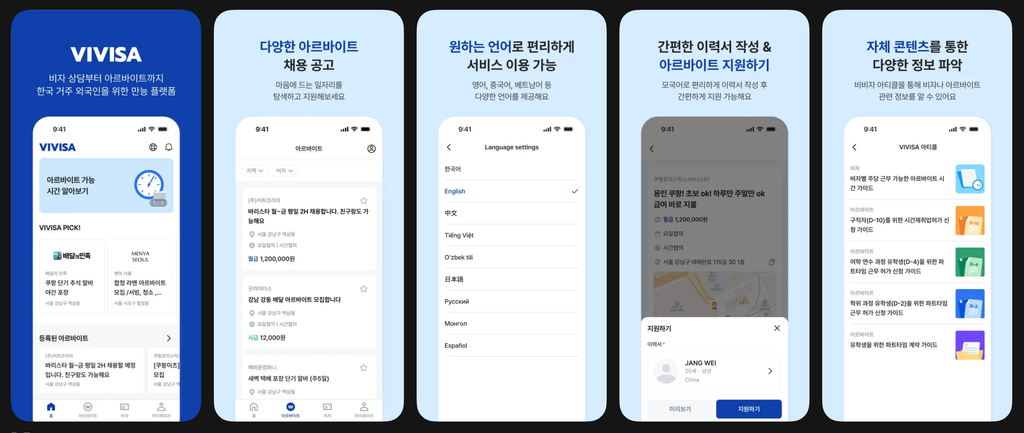
For many years, foreign residents relied on expensive immigration attorneys or word-of-mouth advice from community forums to manage their status. These methods were often unreliable and lacked the precision needed for official applications. Vivsa represents a shift toward transparency and digital empowerment. By centralizing the management of employment contracts and visa status, the platform allows users to take control of their legal standing in Korea, ensuring that they stay compliant while maximizing their professional opportunities.
The Core Functionality of the Vivsa Application
At its heart, Vivsa is designed to simplify the lifecycle of a foreign worker in Korea. The application acts as a personal digital assistant that monitors your visa expiry dates, tracks your employment contract details, and provides alerts for upcoming administrative obligations. In a country where visa types—ranging from E-7 for skilled workers to D-2 for students and F-series for residents—have vastly different rules, having a centralized dashboard is a game-changer.
The application typically focuses on several key pillars of residency management:
- Automated tracking of Alien Registration Card (ARC) validity and visa expiration dates.
- Employment contract monitoring to ensure compliance with minimum wage and working hour regulations.
- Document storage for essential legal files, including degree certifications, employment history, and tax records.
- Integration with local government guidelines to provide up-to-date information on policy changes.
- Notifications regarding reporting requirements, such as changes in residential address or workplace status.
By digitizing these processes, Vivsa reduces the cognitive load on the user. Instead of manually calculating how many days remain on a visa or worrying about missing a filing deadline, the app provides a proactive schedule. This allows users to focus on their actual work rather than the administrative burden of maintaining their legal right to stay in the country.
Navigating Visa Categories with Digital Assistance
Korea offers a diverse array of visa categories, and each comes with its own unique set of restrictions and privileges. One of the most significant challenges for foreigners is understanding when they are eligible for a status change. For example, moving from a D-2 student visa to an E-7 professional visa requires a specific set of criteria, including salary thresholds and employer sponsorship. Vivsa provides the necessary framework to track these requirements.
Common Visa Types Managed in the Platform
- E-2 Teaching Visas: Common for language instructors, these require strict documentation of criminal background checks and apostilled degrees.
- E-7 Skilled Professional Visas: These are the backbone of the corporate workforce and require a clear link between a degree and the job role.
- F-2 Residency Visas: Often sought after for their flexibility, these require a points-based system that tracks income, education, and language proficiency.
- D-2 Student Visas: Essential for those pursuing degrees in Korean universities, with specific part-time work permit regulations.
The app helps users understand the transition path between these visas. For instance, if you are currently on an E-2 visa but are working toward the points required for an F-series residency visa, Vivsa can help you track your progress by logging your income and language test scores over time. This long-term tracking is essential for those planning a multi-year stay in Korea.
Improving Compliance and Avoiding Legal Pitfalls
One of the most dangerous misconceptions among foreign workers in Korea is that visa status is a static condition. In reality, it is a dynamic legal state that requires constant attention. The Ministry of Justice frequently updates its guidelines, and what was acceptable one year might be scrutinized the next. Failure to report a change of address within 14 days, or working a side job without proper authorization, can lead to significant fines or, in extreme cases, the revocation of a visa.
Vivsa acts as a safeguard against these common mistakes. By providing reminders for mandatory reporting, the app helps users avoid the administrative traps that lead to unnecessary legal trouble. Furthermore, the application provides clarity on what constitutes “authorized work.” Many foreign workers are unaware that certain types of freelance income are strictly prohibited under specific visa categories. By keeping your employment data updated within the app, you gain a clearer picture of your legal boundaries, allowing you to make informed decisions about your career.
Practical Tips for Managing Your Employment Data
To get the most out of your experience with platforms like Vivsa, you must approach your data management with a professional mindset. Think of your digital profile as an extension of your official immigration file. Here are some practical steps to ensure you are utilizing the technology effectively:
- Regularly update your employment contract information. If you receive a promotion or a salary increase, ensure this is reflected in the app. This is crucial for visa renewal applications, as the immigration office will require proof of income.
- Enable push notifications. The most important feature of any visa management tool is the alert system. Ensure your settings are configured to notify you at least 90 days before your visa expires.
- Organize your supporting documents. Use the document storage feature to keep digital copies of your degree, your original employment contract, and any tax documents provided by your employer. Having these ready in a single location can save you hours of searching when you head to the immigration office.
- Cross-check with the official HiKorea portal. While Vivsa is a fantastic tool for organization, always treat the official government portal as the final word. Use the app to prepare your documents and track your status, but verify your official status on the government website periodically.
The Role of Technology in Modern Expatriate Life
The integration of apps like Vivsa into daily life reflects a broader trend toward the digitization of government services in Korea. Korea is a leader in e-governance, and the public sector is increasingly moving toward paperless, app-based interactions. However, these systems are often designed primarily for Korean citizens. Foreigners frequently find themselves in a digital limbo where they are required to use online systems that are either in Korean or require local identity verification methods that are difficult to obtain without a long-term visa.
Vivsa helps bridge this digital divide by providing a user-friendly interface that translates complex legal requirements into actionable steps. It is not just about convenience; it is about accessibility. By lowering the barrier to understanding Korean immigration law, the app helps foreigners feel more integrated and secure in their daily lives. When you are not constantly worried about the state of your visa, you are more likely to invest in your community, pursue career growth, and contribute positively to the Korean economy.
Addressing Common Misconceptions About Visa Management
There are many myths circulating in the foreign community regarding how to handle visa issues. Clearing up these misconceptions is vital for every resident.
Myth: You only need to worry about your visa when it is about to expire
Fact: Visa compliance is a continuous process. Changes in your employer, changes in your residential address, or even changes in your income level must be reported to the immigration office within specific timeframes. Ignoring these changes until the renewal period can lead to complications.
Myth: Any job is fine as long as you have a visa
Fact: Most work visas are tied to a specific workplace or a specific industry. Working outside of the scope defined by your visa—such as taking a side job as a private tutor when your visa only allows for corporate employment—can be considered illegal employment. This is a common ground for visa cancellation.
Myth: Immigration officers will always notify you if something is wrong
Fact: The burden of proof and the responsibility for maintaining a valid visa status lie entirely with the individual. The immigration office does not necessarily reach out to remind you of your responsibilities. It is your job to keep your records in order.
Expert Advice for Long-Term Residency Planning
For those aiming for long-term residency or eventual permanent residency (F-5 visa), the strategy changes from merely maintaining a visa to building a profile that satisfies the immigration authorities. Experts often emphasize that the path to permanent residency is a marathon, not a sprint. You need to demonstrate consistent employment, tax payments, and integration into Korean society.
Using a tool like Vivsa can help you visualize this journey. By tracking your cumulative income, your years of residency, and your language proficiency scores, you can see exactly how close you are to meeting the requirements for a higher-tier visa. Many users find that keeping a digital record of their accomplishments makes the eventual application for a permanent residency visa much smoother, as they already have all the necessary data points documented and ready for submission.
Cost-Effective Utilization of Digital Tools
While hiring a lawyer to handle your visa renewals can cost hundreds, if not thousands of dollars, using a digital management tool is a highly cost-effective alternative. While the app itself might have a subscription or a small fee, the amount of money saved by avoiding fines, late fees, or the need for professional legal intervention is significant. Furthermore, the time saved is invaluable. By managing your own records, you gain a deeper understanding of the system, which empowers you to handle your own renewals without external help.
To maximize the cost-effectiveness of these tools, consider the following:
- Group your document collection efforts. Instead of rushing to collect documents at the last minute, use the app to keep a running repository of your payroll slips and tax documents throughout the year.
- Use the app to identify potential issues early. If you see that your salary has fallen below the threshold for your visa type, you have time to consult with your employer or look for alternatives before your renewal date arrives.
- Share information within your professional community. Many users find that sharing their experiences on how they used the app to organize their visa renewal helps others in their network avoid the same mistakes, creating a community of informed and compliant foreign residents.
The Future of Foreign Employment Management in Korea
As Korea continues to attract global talent to support its growing industries, the infrastructure for managing foreign labor will likely become even more sophisticated. We can expect to see deeper integration between private applications like Vivsa and official government databases. In the future, it is possible that such apps could provide direct links to the immigration office, allowing for seamless updates to one’s file.
For now, users should view these tools as essential components of their professional toolkit in Korea. Just as you would keep a record of your work projects or your financial investments, your visa status and employment data deserve the same level of professional attention. By staying proactive, informed, and organized, you can ensure that your time in Korea is defined by your achievements and professional growth rather than the stress of navigating bureaucracy.
Understanding the Importance of Timely Reporting
In the Korean legal system, reporting is not merely a formality; it is a fundamental duty. When you move to a new apartment, you are legally required to report your change of address to the local community center or immigration office. When you start a new job, the details of that employment must be registered. These reporting requirements are designed to help the government maintain accurate records of the foreign population. However, for the average person, remembering these deadlines while balancing a busy work-life schedule is difficult.
This is where the notification features of an app become indispensable. By setting up reminders for your mandatory reporting obligations, you ensure that you are never caught off guard. For example, if you change jobs, the app can prompt you to gather the necessary documents for the change-of-workplace notification. This proactive approach prevents the accumulation of penalties and ensures that your immigration file remains clean and up to date. A clean file is essential when you eventually apply for visa extensions, as any history of late reporting or non-compliance can be used as a reason to deny your application.
The Relationship Between Employment Stability and Visa Status
It is important to understand that your visa is often intrinsically linked to your employment status. If you leave your job, your visa status may be affected, particularly if you are on a sponsored visa like the E-7. Many people do not realize that there is a grace period for finding new employment after a job loss. If you exceed this grace period, your visa may be subject to cancellation.
Vivsa helps you navigate these sensitive transitions by providing clear information on what to do when your employment status changes. By knowing the exact rules regarding your grace period and the requirements for switching employers, you can navigate career moves with confidence. This stability is crucial for maintaining your quality of life in Korea. When you are confident in your legal status, you are better positioned to negotiate your salary, take on new projects, and pursue long-term career goals within the Korean market.
Building a Strong Foundation for Your Career in Korea
Success in Korea is not just about landing a job; it is about building a sustainable professional life. This includes understanding the tax system, the national pension scheme, and the health insurance system, all of which are tied to your employment. While these systems are complex, they are also part of the benefits of working in Korea. Being properly registered and ensuring your employment data is accurate within your management app helps ensure that your social contributions are correctly tracked.
For example, if you are planning to apply for permanent residency, your record of social insurance contributions will be a critical part of your application. By using a digital management tool to keep track of your employment history, you can ensure that your records match those of the government. This alignment prevents discrepancies that could delay your application process. Remember that the immigration office values consistency and transparency above all else. When your records are organized and easy to verify, you are demonstrating your reliability as a foreign resident.
Final Thoughts on Leveraging Tools for Success
The experience of living and working in a foreign country is inherently challenging, but it is also incredibly rewarding. In Korea, the complexity of the legal environment is a hurdle that can be managed with the right approach. By utilizing digital platforms to track your employment and visa status, you are taking a proactive step toward securing your future. You are transforming a source of anxiety into a manageable, organized process.
Whether you are a new arrival or a seasoned resident, the key is to remain engaged with your legal status. Do not treat your visa as a set-it-and-forget-it document. Instead, treat it as a cornerstone of your professional identity in Korea. By staying informed, keeping your records updated, and using the tools available to you, you can focus on what really matters: building a successful, fulfilling life in one of the world’s most dynamic and innovative countries.
As you move forward in your career, continue to seek out information, stay connected with community resources, and maintain the highest standards of compliance. The effort you put into managing your legal status today will pay dividends in the form of peace of mind and professional opportunities tomorrow. The digital age has provided us with the tools to master our own circumstances; it is up to us to use them effectively.
Master






댓글 0
첫 댓글을 남겨보세요.