What is Chuseok, Korea’s holiday?
Understanding Chuseok The Heart of Korean Culture
Chuseok, often referred to as the Korean Thanksgiving, stands as one of the most significant and celebrated holidays in the Korean calendar. It is a time deeply rooted in tradition, family, and gratitude. Falling on the 15th day of the 8th lunar month, Chuseok is a harvest festival that brings millions of Koreans together to honor their ancestors and celebrate the abundance of the autumn season. While modern life has evolved rapidly, the core tenets of Chuseok remain a pillar of social and cultural identity in Korea.
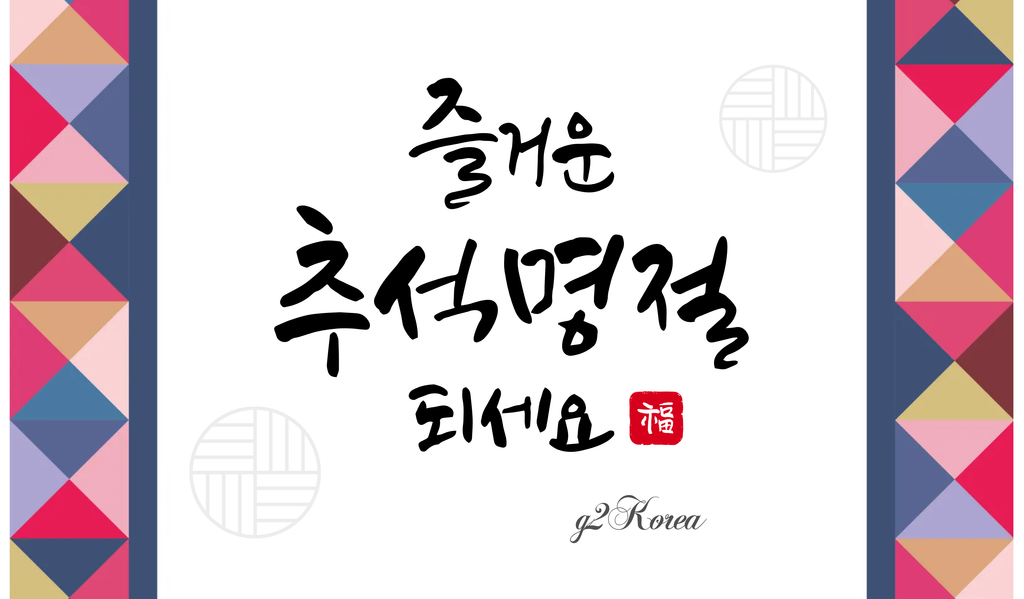
At its essence, Chuseok is a three-day celebration that involves returning to one’s ancestral hometown. This mass migration of people leads to some of the busiest traffic conditions in the country, a phenomenon known as the Great Migration. Understanding Chuseok is not just about knowing the dates or the food; it is about grasping the importance of lineage, filial piety, and the communal spirit that defines the Korean people.
The Historical Roots and Significance
The origins of Chuseok, also known as Hangawi, date back to ancient times. The term Hangawi translates to the middle of the eighth month, signifying the peak of the harvest season. Historically, it was a time for communities to come together after months of hard agricultural labor to share the fruits of their work. The holiday served as a bridge between the physical act of harvesting and the spiritual act of thanking the ancestors for their protection and blessings.
The significance of the holiday has shifted over centuries, but the ritual of Charye remains central. Charye is an ancestral memorial service where families prepare a table laden with seasonal foods to offer to their ancestors. This practice reflects the Korean value of filial piety, which emphasizes respect for one’s parents and elders, even after they have passed away. By performing these rites, families maintain a connection to their roots, ensuring that the legacy of their ancestors is never forgotten.
Essential Traditions and Rituals
Chuseok is defined by several distinct traditions that have been passed down through generations. These practices provide a structured way for families to bond and express gratitude.
Charye Ancestral Memorial Service
The centerpiece of the holiday is the Charye ritual. Families gather early in the morning to set a ceremonial table. The arrangement of the food follows strict traditional rules, with specific dishes placed in precise locations on the table. Following the ritual, family members participate in Eumbok, which involves eating the food that was offered to the ancestors, symbolizing the sharing of blessings.
Seongmyo and Beolcho
Before the actual day of Chuseok, families often visit their ancestral gravesites. This is known as Seongmyo. During this visit, they perform Beolcho, which is the act of weeding around the graves to keep them tidy. This physical labor is seen as a sign of respect and care for the departed, ensuring that the resting place of one’s ancestors remains dignified.
Traditional Games and Entertainment
Beyond the solemn rituals, Chuseok is a time for joy and community bonding. Traditional games such as Ganggangsullae, a circular dance performed by women under the full moon, have been designated as UNESCO Intangible Cultural Heritage. Other activities include Ssireum, which is Korean traditional wrestling, and archery. These activities were historically used to build community strength and foster a sense of belonging among villagers.
The Culinary Delights of Chuseok
Food is undoubtedly one of the most exciting aspects of the Chuseok holiday. The culinary preparations are labor-intensive, often requiring days of work by various family members. The food not only tastes delicious but also carries deep symbolic meaning.
- Songpyeon: This is the signature dish of Chuseok. It is a rice cake shaped like a half-moon, filled with sweet ingredients like sesame seeds, honey, beans, or chestnuts. The tradition holds that if you make beautiful Songpyeon, you will meet a good spouse or give birth to a beautiful child.
- Jeon: These are savory pancakes made from a variety of ingredients, such as zucchini, fish, mushrooms, and meat, all dipped in egg batter and pan-fried. Jeon is a staple at the Charye table and a favorite among family members.
- Torantang: A soup made from taro, which is in season during the autumn. It is believed to be beneficial for digestion and is a traditional comfort food served during the holiday.
- Seasonal Fruits: Fresh fruits like pears, apples, and persimmons are offered to ancestors. These fruits represent the bounty of the harvest and the sweetness of life.
Navigating Chuseok as an Expat or Visitor
If you are in Korea during Chuseok, you might find that the country feels quite different. Many businesses, including small restaurants and retail shops, close for the duration of the holiday as people head to their hometowns. However, this does not mean that the experience is inaccessible or dull.
Practical Tips for Travelers
- Plan Your Transportation: If you intend to travel within Korea during the holiday, book your train tickets (KTX) or express bus seats weeks in advance. The demand is incredibly high.
- Check Store Hours: Major department stores and convenience stores often remain open, but smaller family-owned businesses will likely be closed. It is wise to stock up on essentials a few days before the holiday starts.
- Experience the Culture: Many palaces and museums in Seoul remain open during Chuseok and often offer free admission. They frequently host special performances and cultural programs that provide a great introduction to the holiday.
- Expect Traffic: If you are driving, be prepared for significant delays on major highways. The best strategy is to stay put in one city or use public transportation that runs on fixed tracks.
Common Misconceptions about Chuseok
There are several myths surrounding Chuseok that often confuse those unfamiliar with Korean culture. Clarifying these points can help provide a more accurate perspective on the holiday.
Myth: Chuseok is exactly like Western Thanksgiving
While both are harvest festivals, Chuseok is fundamentally more focused on ancestral worship and family lineage. Western Thanksgiving is often centered on a large meal with friends and family, but Chuseok has a heavy ritualistic component that ties the living to the dead. The spiritual aspect is just as important as the social gathering.
Myth: Everyone goes home for Chuseok
While the majority of the population travels, not everyone does. Younger generations in cities sometimes choose to use the holiday as a break to travel abroad or stay in the city to relax. Furthermore, the pressure to participate in traditional rituals is slowly decreasing in modern, nuclear families, leading to more diverse ways of spending the holiday.
Myth: All Korean food is the same
The food prepared for Chuseok varies significantly by region and family background. While Songpyeon and Jeon are common, the specific types of fish, the seasoning of the vegetables, and the secret family recipes make every table unique. There is no single universal way to set a Charye table.
Expert Perspectives on Modernizing Traditions
Sociologists and cultural experts in Korea often discuss the changing nature of Chuseok. As society becomes more urbanized and individualistic, the traditional pressures of the holiday are being scrutinized. Many experts advocate for a more flexible approach to the holiday.
One major trend is the simplification of the Charye table. In the past, preparing dozens of dishes was expected, but today, many families are choosing to focus on a few key items that their ancestors actually enjoyed, rather than following rigid, expensive, and labor-intensive protocols. This shift is seen as a way to preserve the spirit of the holiday—gratitude and family time—without the burnout associated with the preparation.
Another expert observation is the rise of the “Chuseok staycation.” Instead of the stressful, hours-long commute to the countryside, some families are choosing to meet in a central location or simply stay home to rest. This evolution is welcomed by many as a necessary step to ensure the survival of the holiday in a modern, fast-paced society.
Cost Effective Ways to Celebrate
Celebrating Chuseok does not have to be a financial burden. Whether you are a local or a foreigner wanting to participate, there are ways to enjoy the season without breaking the bank.
- Pre-order Prepared Foods: Many department stores and grocery chains offer pre-made Charye food sets. While this might seem expensive, it can actually save money compared to buying large quantities of raw ingredients that might go to waste.
- Share the Load: The tradition of preparing food is meant to be communal. If you are hosting, invite family members to bring one dish each. This reduces the cost and workload for the host and fosters a sense of collective participation.
- Focus on Seasonal Produce: Buying fruits and vegetables that are currently in season is significantly cheaper and healthier. Markets are flooded with pears and apples during this time, so take advantage of local sales.
- Utilize Public Facilities: Instead of expensive entertainment, take advantage of the free events organized by local governments. Public parks and cultural centers often host free workshops where you can try on Hanbok (traditional clothing) or make your own Songpyeon.
The Evolution of Chuseok in the Digital Age
The impact of technology on Chuseok has been profound. In the past, communication during the holiday was limited to in-person visits or landline calls. Today, video conferencing has become a staple for those who cannot make the trip to their hometowns. Families now gather virtually to perform rituals or simply catch up, bridging the gap between generations across different cities or even countries.
Furthermore, social media has played a role in how Chuseok is perceived. Younger Koreans often share photos of their beautifully arranged Charye tables or their travel experiences during the holiday. This has helped to keep the holiday relevant and visually appealing to the younger generation, even as they adapt the traditions to fit their lifestyle.
E-commerce has also revolutionized how people prepare for the holiday. Gift-giving is a major part of Chuseok, and online platforms now make it easy to send high-quality gift sets—ranging from premium beef and ginseng to fruit baskets—directly to the homes of relatives. This convenience has streamlined the social obligation of gift-giving, allowing people to focus more on the emotional connection rather than the logistics of shopping.
Frequently Asked Questions
Is Chuseok always on the same date?
No, because Chuseok is based on the lunar calendar, the date changes every year in the Gregorian calendar. It usually falls between September and October.
Do I have to wear Hanbok during Chuseok?
Wearing Hanbok is a traditional practice and is still common for formal rituals or family photos. However, it is not mandatory. Most people wear comfortable, semi-formal clothing, especially when traveling.
What should I do if I am invited to a Korean family’s home for Chuseok?
It is a great honor to be invited. If you go, it is polite to bring a small gift, such as a box of fruit, a set of cooking oil, or seaweed. When you arrive, be mindful of the rituals, and simply observe and follow the lead of your hosts. Showing genuine interest and respect for the tradition is the best way to be a good guest.
How long does the holiday last?
The official holiday is three days long: the day before, the day of, and the day after Chuseok. Many people take additional days off to extend their time with family, making it one of the longest break periods in Korea.
Are there any specific taboos during Chuseok?
While modern Koreans are generally relaxed, there are traditional taboos, such as not being loud or disrespectful during the Charye ritual. It is also considered poor form to arrive at an ancestral home empty-handed.
A Deeper Look at the Spiritual Meaning
Beyond the food and the travel, Chuseok is a time of reflection. The full moon, which is central to the imagery of the holiday, represents fullness and completion. Looking at the moon is a way to set intentions for the remainder of the year. Many people make a wish upon seeing the first full moon of the season, believing that the spirit of the ancestors is watching over them during this time.
This sense of spiritual connection is perhaps the most enduring part of the holiday. In a world that is increasingly disconnected, Chuseok serves as a reminder that we are part of a larger chain. We are the result of the lives that came before us, and we have a responsibility to pass on that care and respect to the next generation. Whether you are performing a complex ritual or simply sharing a meal with loved ones, the intention behind the act is what truly matters.
The Role of Women in Chuseok
Historically, Chuseok has been a labor-intensive holiday, with a significant portion of the preparation falling on the shoulders of women. In traditional Korean households, women would spend days in the kitchen preparing the food for the Charye table and feeding the extended family. This has been a subject of much debate in recent years, as society pushes for more gender equality.
There is a growing movement toward sharing the labor more equitably. Many families now split the cooking duties among all family members, regardless of gender. Some families have even moved away from the traditional model entirely, opting to order food or rotate the location of the holiday to reduce the burden on any single person. This shift is essential for the sustainability of the holiday, ensuring that Chuseok remains a time of enjoyment for everyone involved, rather than a source of stress.
The Future of Chuseok
As we look toward the future, it is clear that Chuseok will continue to evolve. The core values of gratitude, family, and remembrance will likely remain, even as the expressions of these values change. We may see more virtual reality rituals or even more simplified, eco-friendly celebrations as people become more conscious of their impact on the planet.
Regardless of how the holiday changes, its importance to the Korean identity is unlikely to wane. It provides a necessary pause in the relentless pace of modern life, allowing people to reconnect with their roots and their loved ones. Whether it is through the taste of a homemade Songpyeon or the quiet moment of bowing before an altar, Chuseok will continue to be a time when the past and the present meet, creating a bridge that sustains the culture for generations to come.
Cultural Etiquette for Participating in Rituals
If you are ever in the position to participate in an ancestral ritual, keep these basic etiquette tips in mind. The goal is to show respect, not necessarily to perform the ritual perfectly.
- Dress Conservatively: Opt for neat, clean clothing. Avoid overly casual or flashy outfits.
- Follow the Lead: Watch the eldest member of the family and mirror their actions. When to bow, how many times to bow, and when to stand are all determined by the flow of the ritual.
- Keep Quiet: During the ritual, maintain a quiet and respectful demeanor. This is a time for solemnity and reflection.
- Be Mindful of the Table: Never touch the items on the Charye table unless instructed. These items are considered sacred and are meant for the ancestors.
- Participate in Eumbok: After the ritual is finished, you will likely be invited to eat the food. Accepting this invitation is a sign of participating in the family’s shared blessing.
Understanding these subtle social cues will make you a more respectful and welcome participant in any Chuseok celebration. It shows that you value the culture and the significance of the event to your hosts.
Celebrating Chuseok with Children
For families with children, Chuseok is an excellent opportunity to teach the next generation about their heritage. Engaging children in the process can make the holiday more meaningful for them and help them develop a sense of identity.
- Cooking Together: Making Songpyeon is a fun, hands-on activity for children. Letting them shape the rice cakes allows them to be creative while learning about the traditions.
- Storytelling: Share stories about family members who have passed on. Tell the children about their grandparents or great-grandparents, helping to keep their memory alive.
- Traditional Games: Teach children how to play traditional games. Not only is it fun, but it keeps these historical pastimes alive.
- Explain the Symbolism: Instead of just telling them what to do, explain why they are doing it. Explain the meaning of the full moon, the reason for the harvest celebration, and the importance of saying thank you.
By involving children in a way that is fun and accessible, you ensure that the traditions of Chuseok will continue to thrive in the future. It transforms the holiday from a set of rules into a cherished family memory.
The Importance of Gratitude in Daily Life
While Chuseok is the designated time for gratitude, the spirit of the holiday can be applied to our daily lives year-round. The practice of acknowledging our roots, thanking those who have supported us, and sharing our resources with others is a universal human value. Whether it is through a handwritten note of thanks, a small act of service for a family member, or simply taking a moment to appreciate the season, we can all incorporate the essence of Chuseok into our routine.
The beauty of the holiday lies in its ability to force us to slow down and recognize the blessings we have. In a world that is always looking for the next big thing, Chuseok reminds us to look back at what has brought us to where we are today. That sense of perspective is perhaps the most valuable takeaway from this ancient Korean tradition.
Final Thoughts on the Cultural Exchange
Learning about Chuseok is an invitation to understand a culture that places immense value on connection and continuity. It is a holiday that teaches us that we are never truly alone, as we are always part of a lineage that stretches back into history. For those outside of Korea, observing or participating in Chuseok can be a transformative experience that challenges our own perceptions of family, duty, and celebration.
As you explore the various facets of this holiday, remember that the most important element is the human connection. Whether you are experiencing it through food, travel, or conversation, let the spirit of gratitude guide your interactions. Chuseok is more than a date on a calendar; it is a living, breathing tradition that invites everyone to pause, reflect, and celebrate the abundance of life.
Master





댓글 0
첫 댓글을 남겨보세요.