
WOWPASS Introducing Korea’s prepaid card for cashless payments.
세시간전 크리에이터 활동을 통해 수익이 발생하는 링크가 포함되어 있습니다. 해당 링크를 통해 상품을 구매할 경우 수수료가 지급됩니다.
This contains a link that generates revenue through creator activity three hours ago. A commission is paid when you purchase the product through the provided link.
Understanding the WOWPASS Experience for Travelers in Korea
South Korea has rapidly transformed into a nearly cashless society over the past decade. For international travelers, this shift can be both a blessing and a hurdle. While the convenience of tap-to-pay systems and digital kiosks is undeniable, the reliance on local bank accounts or resident-verified mobile payment apps has historically made it difficult for tourists to navigate the country without carrying large amounts of physical currency. Enter WOWPASS, a specialized prepaid card service designed specifically to bridge this gap. By offering a multi-currency prepaid solution that functions just like a local debit card, WOWPASS has become a staple for those visiting Seoul, Busan, and beyond.
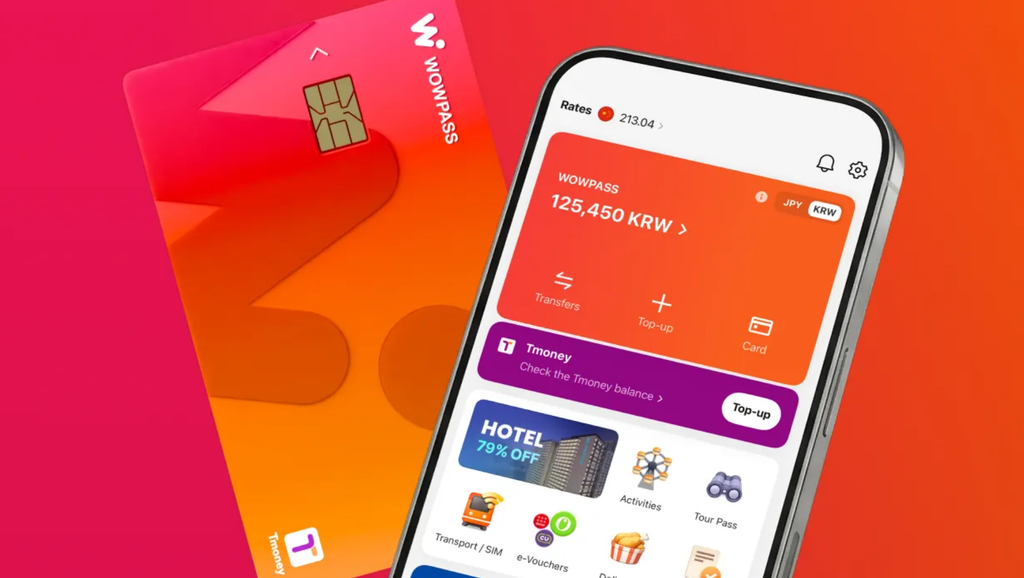
The core proposition of WOWPASS is simplicity. It is an all-in-one card that allows tourists to load foreign currency at automated kiosks located in airports, subway stations, and major hotels, and spend it like a local. Unlike traditional credit cards that may involve high international transaction fees or currency conversion charges, WOWPASS operates on a prepaid model that gives travelers better control over their spending while ensuring they are never locked out of merchants that do not accept foreign-issued credit cards.
Key Features and Functionality
At its heart, WOWPASS is a prepaid debit card that functions on the Visa network for domestic usage within Korea. However, its utility extends far beyond simple point-of-sale transactions. The service is integrated with a dedicated mobile application that provides a comprehensive dashboard for users to monitor their balance, track their spending habits, and even top up their funds using credit cards if they run low on cash.
Multi Currency Loading and Exchange
The standout feature of WOWPASS is the physical kiosk network. These machines are placed in high-traffic areas, making them incredibly accessible. Users can walk up to a kiosk, insert foreign cash—such as USD, JPY, EUR, or many others—and have that money converted into Korean Won (KRW) and deposited onto their card instantly. The exchange rates provided by these kiosks are generally more competitive than those found at traditional airport money exchanges, which is a major draw for budget-conscious travelers.
Transportation Card Integration
One of the most ingenious aspects of the WOWPASS is its dual-function nature. In Korea, the T-money system is the standard for public transportation, including subways, buses, and taxis. WOWPASS includes a T-money chip embedded directly into the card. This means that a user does not need to carry a separate transportation card. By simply topping up the T-money portion of the card at any subway station or convenience store, the user can navigate the entire country’s public transit infrastructure with a single piece of plastic.
Mobile Application Synchronization
The WOWPASS app is not merely a balance checker. It serves as the hub for the entire experience. Once the physical card is linked to the app via a simple registration process, users gain access to real-time transaction history. This is particularly useful for travelers trying to keep a strict budget. Additionally, the app offers information on cashback events and promotions at various partner merchants, allowing users to earn money back on their purchases simply by using the card at participating stores.
Usage Experience and Performance Analysis
Using WOWPASS in the field offers a glimpse into how efficient the Korean payment ecosystem has become. During a typical trip, the process begins the moment one arrives at Incheon International Airport. Locating a kiosk is straightforward, and the interface is available in multiple languages including English, Chinese, and Japanese. The physical card is issued in seconds, and the initial top-up is a seamless process. From there, the card works at virtually every establishment that accepts credit cards, which in Korea, is almost everywhere.
Reliability at Retailers and Restaurants
In practice, the card’s acceptance rate is exceptional. Whether you are grabbing a quick coffee at a franchise, dining at a high-end restaurant in Gangnam, or shopping for skincare products in Myeongdong, the card functions without a hitch. Because it is recognized as a local prepaid card, it avoids the occasional errors that sometimes plague foreign-issued credit cards, which may be rejected by certain Korean payment terminals due to security protocols or network limitations.
The Transportation Experience
For those who rely on the subway, the T-money integration is a massive convenience. There is no need to fumble for coins or worry about purchasing single-journey tickets. The card taps onto the turnstiles with the same speed and reliability as a native resident’s card. Being able to check the T-money balance within the same app used for the prepaid balance creates a sense of cohesion that makes the logistical side of travel feel significantly less overwhelming.
Performance Limitations
While the performance is generally stellar, there are minor nuances to note. The card is strictly for use within South Korea. It is not an international travel card, and once a traveler leaves the country, the card becomes effectively dormant. Additionally, while the kiosk network is extensive, it is not omnipresent in rural, remote areas. A traveler planning to visit deep mountain villages or extremely isolated islands might still find it prudent to keep a small amount of physical cash on hand, though this is an edge case rather than a common issue.
Pros and Cons of the WOWPASS System
Every financial tool comes with a set of advantages and limitations. Evaluating WOWPASS requires an honest look at how it fits into the average traveler’s lifestyle.
The Advantages
- Cost Effectiveness: By avoiding the high currency conversion fees often associated with foreign credit cards, users save a noticeable amount of money over the course of a week-long trip.
- Ease of Use: The kiosk system is highly intuitive. Even those who are not tech-savvy can navigate the touch-screen menus to deposit cash or issue a new card.
- Universal Acceptance: Because the card is treated as a local payment method, it is accepted in places where foreign cards might occasionally be declined.
- Consolidated Logistics: Combining a payment card and a transportation card into one physical object reduces the amount of clutter in one’s wallet.
- Transparency: The ability to track every transaction in real-time through the app helps travelers stay within their allocated travel budget.
The Disadvantages
- Initial Setup Requirements: While easy, it does require a physical visit to a kiosk. For those arriving at smaller airports or via non-traditional transit, locating the first kiosk can sometimes be a minor inconvenience.
- Prepaid Constraints: Since it is a prepaid card, users must ensure they have enough funds loaded. If the balance hits zero, the card becomes useless until a top-up is performed, which requires finding another kiosk or using the mobile app with a valid credit card.
- Non-Refundable Balance Nuance: While it is possible to withdraw remaining funds at the end of a trip, there are specific procedures and potential fees involved. Travelers should be aware of the withdrawal process to avoid leaving money behind.
- Geographic Limitation: As mentioned, the card is useless outside of South Korea, meaning it is a single-purpose tool that offers no long-term utility for the casual traveler who visits Korea only once every few years.
Comparison with Traditional Alternatives
To understand the value of WOWPASS, it is helpful to compare it against the two traditional methods of payment used by tourists: standard international credit cards and cash-only transactions.
WOWPASS vs International Credit Cards
Most travelers arrive with a Visa or Mastercard issued in their home country. While these work in most major hotels and department stores, they often come with a “foreign transaction fee,” typically ranging from 1% to 3% per swipe. Furthermore, some smaller boutiques or local eateries in Korea have payment terminals that are configured specifically for domestic cards, leading to frustrating “card declined” messages for foreign users. WOWPASS eliminates both the fee anxiety and the rejection risk, positioning itself as the more reliable and economical choice for the duration of a stay.
WOWPASS vs Cash Currency
Relying solely on cash is the old-fashioned way of doing things, but in Korea, it is becoming increasingly difficult. Many kiosks, including those for ordering food in restaurants and buying train tickets, are exclusively card-based. While one can usually find a human to take cash, it often feels like an imposition. Moreover, carrying large amounts of cash is inherently risky and inconvenient. WOWPASS offers the safety of digital storage with the ease of cash-like spending, effectively removing the need to visit a traditional currency exchange booth at the airport or bank.
WOWPASS vs Other Travel Apps and Cards
There are other services like Namane card or various digital banking apps for tourists. The primary differentiator for WOWPASS is the physical kiosk network. While other services might require a local phone number or a complex identity verification process that can be difficult for a short-term visitor to complete, WOWPASS is designed for immediate, anonymous-style issuance. The barrier to entry is significantly lower, which is why it has gained such rapid popularity among short-term tourists and business travelers alike.
Strategic Tips for Maximizing the WOWPASS Value
To truly get the most out of the WOWPASS, users should approach their usage strategically. First and foremost, download the application before arriving in Korea. Getting familiar with the interface and understanding where the nearest kiosks are located in relation to your hotel or accommodation can save time upon arrival. Many users find it helpful to load a lump sum of money at the start of the trip to minimize the need for repeated visits to kiosks, though the convenience of the mobile top-up feature makes this less critical than it used to be.
Another tip involves the T-money portion. Many tourists forget that the transportation balance is separate from the payment balance. It is a common mistake to assume that loading 100,000 KRW for shopping automatically covers subway fares. Checking both balances in the app ensures that one is never stuck at a subway gate with insufficient funds. Additionally, keeping an eye on the app’s “Events” section can lead to unexpected savings. WOWPASS frequently partners with major duty-free shops, cosmetic brands, and tourist attractions to offer cashback or discounts. A quick check of these offers before a day of shopping can result in significant savings over the course of a week.
Finally, regarding the end of the trip, be proactive about the remaining balance. If you have a significant amount of money left on the card, you can use the kiosks to withdraw the cash in Korean Won before heading to the airport. Do not wait until you are at the departure gate, as you might not be able to find a kiosk in the duty-free zone. Planning this withdrawal for the day before your flight or at a city-center station is the most efficient way to ensure you don’t return home with useless local currency or a card with a remaining balance that cannot be spent.
Technological Foundations and Security
The reliability of WOWPASS is not accidental; it is built on a robust technological framework that aligns with Korea’s advanced digital infrastructure. The card uses EMV chip technology, which is the global standard for secure payments. This ensures that every transaction is encrypted and authenticated, providing a level of security that is comparable to any high-end bank-issued card. The mobile application uses multi-factor authentication and secure data transmission protocols, protecting the user’s financial details from potential breaches.
Furthermore, the integration with the T-money system is handled by established, government-backed infrastructure. This means that the transportation side of the card is as reliable as any dedicated T-money card issued by a local convenience store. The synergy between the private prepaid card provider and the public transportation network is what truly sets WOWPASS apart from generic travel cards, which often struggle to integrate with municipal transit systems.
The kiosks themselves are marvels of modern engineering. They are equipped with high-precision banknote counters, anti-counterfeit scanning technology, and secure connectivity to the main server. This allows for near-instantaneous updates to the user’s balance. When you load cash into a kiosk, the balance is updated on the app almost before you have time to walk away from the machine. This real-time synchronization is a testament to the quality of the service’s backend architecture.
Navigating Potential Challenges
While the service is highly praised, users should be prepared for the occasional hurdle. One such challenge is the language barrier within the app or at the kiosk. While major languages are supported, the terminology used in some of the deeper settings or error messages can occasionally be confusing. If a user encounters an error, the best course of action is to utilize the in-app customer support or visit a staffed desk if one is available at a major station. The company has been proactive in improving these aspects, showing a commitment to the international user base.
Another challenge is the physical wear and tear of the card. Because it is a plastic card with an embedded chip, it is susceptible to the same issues as any other debit card. If the card is bent or the chip is scratched, it may stop being read by the payment terminals. While this is rare, it is worth keeping the card in a protective sleeve or wallet. Should the card fail, the app allows for some degree of management, but replacing a physical card while abroad can be a complicated process. Taking basic care of the card is a small price to pay for the convenience it provides.
Finally, users should be mindful of the “pre-authorization” holds that sometimes occur at hotels or car rental agencies. Like most prepaid cards, WOWPASS may not be accepted for the large temporary holds required by these services. It is always best to use a standard credit card for hotel check-ins or rental deposits and reserve the WOWPASS for daily spending, dining, and transportation. This multi-card strategy ensures that the user is never caught in a situation where a deposit hold ties up their entire travel budget.
The Evolution of Cashless Travel in Korea
The rise of services like WOWPASS reflects a broader trend in the global travel industry. As countries move toward digital-first economies, the tools available to tourists must evolve to keep pace. Korea has been at the forefront of this movement, and WOWPASS is a direct response to the friction that previously existed for visitors. It represents a shift from “traveling as a guest” to “traveling like a local,” where the technological barriers are lowered to allow for a more authentic and seamless experience.
Looking ahead, it is likely that such services will become even more integrated. We can anticipate further partnerships with local services, potentially extending into ticket booking for concerts, museum entries, or even local delivery apps. As the digital ecosystem in Korea continues to expand, the role of a card like WOWPASS will likely grow from being a simple payment tool into a comprehensive “tourist pass” that encapsulates the entire experience of visiting the country. For the modern traveler, this represents a significant upgrade in how they interact with their destination.
It is also worth noting that the success of WOWPASS has paved the way for other similar services, creating a more competitive market. This competition is ultimately good for the consumer, as it drives better features, lower fees, and more widespread availability. However, WOWPASS maintains its lead due to its early entry and its deep integration with the existing infrastructure. For those planning a trip to Korea, it remains the benchmark against which other travel payment solutions are measured. Whether you are a first-time visitor or a seasoned traveler returning to explore new regions, the value proposition of this service is difficult to ignore.
In the final analysis, the decision to use WOWPASS comes down to the desire for convenience and efficiency. It is not strictly necessary—one could survive on cash and a standard credit card—but it is highly recommended for anyone who wants to avoid the logistical headaches of the Korean payment system. By removing the stress of currency exchange and the fear of card rejection, WOWPASS allows the traveler to focus on what really matters: enjoying the food, the culture, and the vibrant atmosphere of South Korea. It is a tool that quietly works in the background, enabling the traveler to move through the country with the confidence and ease of a local, making the entire journey smoother and more enjoyable.
Master






댓글 0
첫 댓글을 남겨보세요.